Otoplasty
in Thailand.
Otoplasty in Thailand is a one- or two-hour outpatient procedure at a JCI-accredited Bangkok hospital — local anaesthesia with sedation for adults, general anaesthesia for children, compression headband on before you leave the ward. Our concierge team books the ThPRS plastic surgeon, the overnight-optional hospital stay, and a recovery hotel fifteen minutes from the clinic. We've personally visited every clinic we recommend.
Last updated September 2026
“Board-certified surgeon, a third of the London price.”
Marcus T. · London, UK
Otoplasty in Thailand — about a third of the US price.
Adult otoplasty at mid-range Bangkok plastic-surgery clinics runs US $1,200–$2,500 all-in. That compares with the US ($3,000–$6,500), UK (£2,500–£4,500), Australia (AUD $4,500–$7,500), and Canada (CAD $4,000–$6,500) for the same ThPRS-or-equivalent board-certified plastic surgeons working to the same Mustarde, Furnas, and cartilage-scoring protocols.
🇹🇭Thailand
$1,200–$2,500
all-in at mid-range Bangkok plastic-surgery clinics
- ThPRS board-certified plastic surgeon consultation and surgical plan
- 1–2 hour procedure under local anaesthesia with sedation (adult cases) or general anaesthesia (children)
- Operating-room fee, anaesthesia fee, standard post-op medications
- Compression headband (fitted and applied in clinic before discharge)
- Suture removal at day 7–10 in-clinic review
- WhatsApp follow-up through week 6 (the headband-only phase)
Other Countries
- Pediatric general anaesthesia surcharge at some clinics (+฿8,000–฿15,000)
- Revision-case surcharge where a previous failed otoplasty needs correction (+30–60%)
- No concierge or travel coordination
Is otoplasty in Thailand safe?
Yes — when you choose a ThPRS board-certified plastic surgeon operating in a JCI-accredited Bangkok hospital.
Otoplasty is one of the most standardised procedures in plastic surgery — the Mustarde and Furnas suture techniques have been the global reference since the 1960s, and one of the cartilage-scoring variants (the Chongchet technique, 1963) was developed by a Thai surgeon and remains in the international literature today.
The surgeons we recommend are MCT-licensed, trained under the Royal College of Surgeons of Thailand, and work in hospitals audited to the same international patient-safety standard as top US and UK units.
Nat
Co-founder, ClinicPins
1,200+
JCI patient-safety standards apply to every accredited Bangkok hospital on our list, re-audited every three years — the same body that accredits top US academic medical centres
ThPRS
board certification is the Thai plastic-surgery specialty credential — awarded after a four-year residency and board exam, and recognised by ISAPS
1963
Chongchet cartilage-scoring technique was developed by a Thai plastic surgeon (Dr. Chongchet Virasakdi) and remains one of the foundational approaches in the global otoplasty literature
Surgeon credentials that matter
ThPRS board certification
Thai plastic surgeons complete a four-year accredited residency under the Royal College of Surgeons of Thailand, then sit the plastic-surgery board exam through the Society of Plastic and Reconstructive Surgeons of Thailand (ThPRS). We only recommend surgeons who hold this credential for otoplasty — it is the Thai equivalent of American Board of Plastic Surgery (ABPS) certification in the US or FRACS (Plast) in Australia. ISAPS membership is an additional signal we check where available.
MCT licence + RCST training
Every physician practising in Thailand must hold an active Medical Council of Thailand (MCT) licence, verifiable on the MCT's public checkmd portal. For plastic surgery specifically, RCST-accredited residency is the pathway — it mirrors the training standards of the American College of Surgeons and Royal College of Surgeons of England. A general-practice physician or a dermatology-trained injector does not meet the bar for otoplasty; it is a cartilage procedure performed under anaesthesia, and the credential bar reflects that.
Case volume and technique breadth
Otoplasty is a lower-volume procedure than rhinoplasty or blepharoplasty — pediatric cases cluster around a small group of fellowship-trained pediatric plastic surgeons, adult cases are distributed across the general aesthetic community. We ask surgeons to document annual otoplasty case volume, the technique they default to (Mustarde + Furnas cartilage-sparing versus Converse-Wood-Smith or Chongchet cartilage-scoring), and their approach to revision cases where relapse or asymmetry has developed. Surgeons with fewer than 20 otoplasties per year do not make our shortlist.
What the research says
The suture-based cartilage-sparing approach that remains the global standard was described by Mustarde in 1963 (horizontal mattress sutures through the posterior auricular cartilage to create the antihelical fold) and Furnas in 1968 (concha-mastoid sutures to set back the conchal bowl). Most modern otoplasties combine both in a single procedure. The cartilage-scoring alternative — weakening the anterior cartilage surface so it bends without needing permanent sutures — was described in the same year by Converse-Wood-Smith, by Stenström, and by Chongchet Virasakdi (the Chongchet technique). Published systematic reviews of otoplasty complication rates show broadly consistent numbers across series: hematoma in 1–3%, suture extrusion in 3–8%, chondritis (cartilage infection, the most serious complication) in under 1%, and asymmetry in 5–10%.
The single statistic worth understanding before booking is the relapse rate — ears returning toward their pre-operative prominent position over weeks or months after surgery. Published series report relapse in 5–24% of cases, driven by suture breakthrough, cartilage spring-back where scoring was insufficient, and incomplete fixation. The variance is large because surgeon experience, technique choice, and case selection matter more for otoplasty than for most cosmetic procedures. Cartilage-scoring techniques (Converse, Stenström, Chongchet) tend to produce lower relapse at the cost of a more invasive procedure. Cartilage-sparing suture techniques (Mustarde + Furnas) produce slightly higher relapse but shorter recovery and lower risk of cartilage irregularities. An experienced ThPRS surgeon picks between them based on the stiffness of the individual patient's cartilage, not on a one-size policy.
Risks to be aware of
Otoplasty is a low-acuity procedure compared with most plastic surgery — the operating field is shallow, general anaesthesia is optional for adults, and the cartilage work is standardised. The risks to ask about are specific and small: hematoma within the first 48 hours (1–3%), suture extrusion at weeks 2–8 where a knot works its way through the skin (3–8%), chondritis (cartilage infection, rare but serious — under 1%, requires immediate IV antibiotics), asymmetry at 3–6 months (5–10%, often minor and correctable under local), and telephone-ear deformity from overcorrection at the middle of the ear (under 2%). Relapse — the ear gradually returning toward its pre-operative position — is the complication worth the most attention, running 5–24% across series, with surgeon technique and experience the main drivers. Keloid scarring is a specific concern in darker skin types, and the clinic should raise it at consultation if relevant.
How to minimise risk:
- Wear the compression headband for the full 24/7 period in weeks 1-2. This is the single biggest predictor of relapse outcomes. Patients who skip the headband because it's uncomfortable are the ones who return for revision.
- Book a surgeon with documented case volume above 20 otoplasties per year. Published relapse variance (5-24%) is largely a surgeon-experience artefact — the difference between the good and bad end of that range is technique calibration, not a patient factor.
- Ask your surgeon which cartilage technique they default to and why. The right answer describes cartilage stiffness palpation at consultation, then picks between suture-sparing and scoring based on that — not a single technique applied to every case.
- If you have a personal or family history of keloid scarring, raise it at consultation. The incision is small but hidden behind the ear, and a keloid there is hard to hide. Some surgeons will decline to operate on high-risk patients.
- Avoid the budget tier for revision otoplasty. Revision cases are the one variant where the cost differential between mid-range and premium matters — revision cartilage work is more technically demanding and less forgiving of technique compromise.
Pricing
How much does otoplasty in Thailand cost by country?
Select your home country
You could save $1,800–$4,000

Price ranges by clinic tier
Prices based on our 2026 Bangkok clinic research, cross-referenced with published Thai plastic-surgery rate cards. Revision otoplasty runs 30-60% above primary pricing at every tier. Pediatric cases under general anaesthesia add a ฿8,000-฿15,000 anaesthesia surcharge at most JCI hospitals.
Budget Clinics
$1,000–$1,600
Save 60–80% vs 🇺🇸🇬🇧🇦🇺🇨🇦Standalone aesthetic clinic with an MCT-licensed plastic surgeon. Works for primary adult otoplasty with straightforward cartilage — but confirm the surgeon is ThPRS board-certified, not just generally licensed, and that they can document case volume.
- MCT-licensed plastic surgeon
- Primary cases only (no revision)
- Local anaesthesia with sedation (adult)
- Standard Mustarde + Furnas suture protocol
- Day-surgery discharge with headband
Mid-Range Specialty
$1,200–$2,500
Save 55–70% vs 🇺🇸🇬🇧🇦🇺🇨🇦Aesthetic plastic-surgery clinic with a ThPRS board-certified lead surgeon and documented otoplasty case volume. Muscle-mapping consult, technique choice explained (suture-sparing vs scoring), suture removal at day 7-10, WhatsApp follow-up through week 6.
- ThPRS board-certified plastic surgeon
- 20+ annual otoplasty case volume
- Both cartilage-sparing and cartilage-scoring techniques on offer
- Complimentary day 7-10 suture-removal visit
- Direct WhatsApp line to the surgeon for the headband phase
Premium International
$2,500–$4,500
Save 30–50% vs 🇺🇸🇬🇧🇦🇺🇨🇦JCI-accredited hospital plastic-surgery department or established international-brand clinic. ISAPS-recognised surgeon, overnight-optional admission, full photographic records, in-house pediatric anaesthesia team for children's cases, revision-otoplasty capability.
- JCI-accredited hospital or ISAPS-member clinic
- Overnight admission option
- Pediatric general-anaesthesia pathway
- Photographic records and 6-month follow-up
- Revision-otoplasty capability
What's included — and what isn't
Typically included
- ThPRS board-certified plastic surgeon consultation and surgical plan
- 1–2 hour procedure with operating-room, anaesthesia, and nursing team
- Local anaesthesia with sedation (adults) or general anaesthesia (children)
- Compression headband fitted and applied in clinic before discharge
- Written aftercare instructions and 24/7 dressing protocol
- Day 7–10 suture removal and in-clinic review before flying home
Typically not included
- Pediatric general-anaesthesia surcharge at some clinics+฿8,000–฿15,000
- Revision otoplasty (cartilage revision after a prior failed case)+30–60% on base
- Overnight hospital admission (mid-range clinics — optional, free at premium)฿3,500–฿8,000 per night
- Replacement headband if needed฿400–฿800
- Additional in-clinic review if you stay longer฿800–฿2,000
- Flights, hotel, transfersvaries by origin
Your Trip
What does the otoplasty trip look like?
Most patients are in Thailand for 7–10 days. The procedure is day one, suture removal is day 7–10, fly home the day after. The headband work continues on the plane and for another 4–6 weeks at home.
Phase 1
Before you arrive
4–6 weeks out
- Virtual consultation with our concierge team and the surgeon — photo submission, cartilage-stiffness discussion, technique recommendation
- Pre-operative blood work at a local lab (we send the request, you do it locally — results forwarded to Bangkok)
- Flight and hotel booked within fifteen minutes of the clinic
- Medications to avoid in the two weeks before surgery (ibuprofen, aspirin, fish oil, vitamin E) confirmed with our team
- Headband-friendly clothing guidance (button shirts, wide-neck tops for the first two weeks)
“Otoplasty is a low-acuity procedure but the planning matters. The question we ask every patient at consultation is which technique the surgeon is recommending and why — cartilage-sparing versus cartilage-scoring should be a specific recommendation based on your cartilage stiffness, not a generic one-size protocol.”
Nat
Co-founder, ClinicPins
Phase 2
Surgery day and overnight
Day 1–2
- Morning admission, pre-op markings with the surgeon, anaesthesia consult
- 1–2 hour procedure under local-with-sedation (adult) or general (children)
- Headband applied in theatre before you wake up
- Day surgery discharge for adult cases, or overnight admission with pediatric cases
- First follow-up 24 hours later — dressing check, antibiotic script confirmation, headband fit adjustment
“The headband is the most important piece of equipment in the whole recovery. We walk every patient through the fit before they leave the clinic — too loose and the ears drift forward, too tight and the skin breaks down. Get this right and the rest of recovery is straightforward.”
Nisha
Co-founder, ClinicPins
Phase 3
Recovery in Bangkok, fly home after suture removal
Day 2–10
- Light activity only, headband 24/7, sleep on your back
- No swimming, no contact sports, no side-sleeping
- Swelling and bruising peak on day 3–4, resolve by day 10–14
- Day 7–10: non-absorbable sutures removed in clinic, surgical review, headband transition to nighttime-only protocol discussed
- Most patients fly home day 8–11. Our team books the flight change if the review extends by 24–48 hours for any reason
Day 2–3
Swelling and bruising build. Paracetamol is usually enough; stronger analgesia on request.
Day 4–7
Swelling settles, bruising starts to fade to yellow-green. Showering allowed (headband off, ears not submerged).
Day 7–10
In-clinic review and suture removal. Photographs taken. Flight clearance discussed.
“Day 7–10 is the review milestone. This is where the surgeon confirms the fold has set, the sutures come out cleanly, and you transition from 24/7 headband to nighttime-only. Patients sometimes want to fly home earlier — we push back on that, because the day 7–10 review catches any early asymmetry while it is still fully correctable.”
Nat
Co-founder, ClinicPins
That’s the plan. Yours gets built around your dates.
Tell us roughly when you’re free and we’ll come back with a schedule that fits, including recovery time before you fly.
Recovery
You're here anyway. Make a trip of it.
Otoplasty recovery is a quiet week — light activity, headband on, Netflix-at-the-hotel pace. The day 7–10 review is the only clinical anchor. The rest of your Thailand trip is yours. Our concierge team can plan it around the review visit.
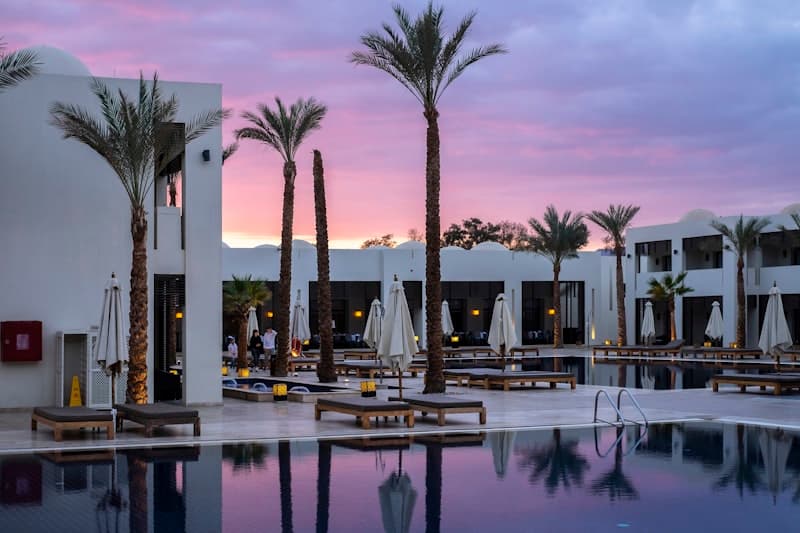
Stay in Bangkok
Sukhumvit, Silom, or Thonglor puts you fifteen minutes from the clinic for the day 7–10 review. Hotels with quiet rooms, on-site pharmacies, and 24-hour room service — the right fit for the headband phase. The BTS line gets you to Siam, Asoke, or EmQuartier for low-impact shopping and cafe time from day 4 onward.
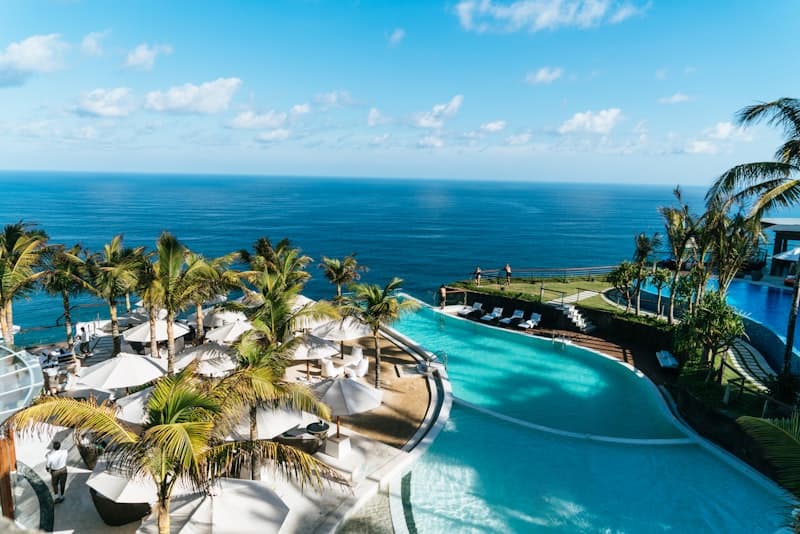
Head to the Beaches
Phuket, Krabi, or Koh Samui a one-hour flight south. Once the day 7–10 review is done, many patients fly straight to the islands for the nighttime-headband-only phase of recovery. No swimming for the first 3–4 weeks; beach reading and resort-pool lounging from day 11 onward.
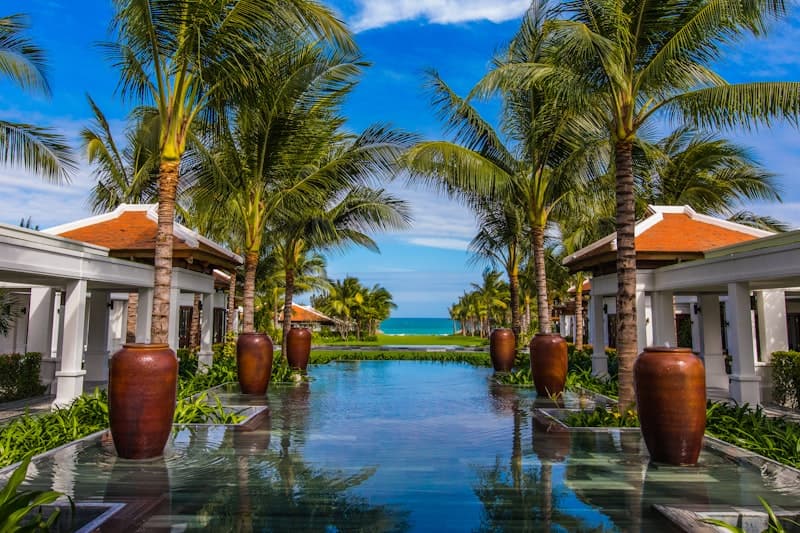
Escape to the Mountains
Chiang Mai or Pai in the north. Cooler climate is gentler on post-op swelling, the pace is quieter than Bangkok, and the flights back for the day 7–10 review are an hour. Good option for patients pairing otoplasty with a second treatment (a blepharoplasty, a dental case) that needs a similar recovery window.
“Otoplasty recovery is low-effort but not no-effort — the headband runs your life for the first two weeks. We plan the trip around that: quiet hotel first, activity second, and the day 7–10 review anchors the clinic-side schedule.”
Nat
Co-founder, ClinicPins
Options
Otoplasty techniques
Three techniques cover almost every adult and pediatric case. A ThPRS board-certified plastic surgeon picks between them at consultation based on cartilage stiffness, case history, and whether a previous procedure needs revising.
Cartilage-sparing suture technique (Mustarde + Furnas)Most common
Horizontal mattress sutures placed through the posterior cartilage surface to create the antihelical fold (Mustarde, 1963), combined with concha-mastoid sutures to set back the conchal bowl (Furnas, 1968). No anterior cartilage incision. Most widely used technique globally — lower invasiveness, faster recovery, slightly higher relapse risk if the cartilage is stiff. The default at most ThPRS Bangkok clinics for adult patients with flexible cartilage, and the standard for pediatric cases. Often paired with rhinoplasty in Thailand or blepharoplasty in Thailand for patients combining face-cluster procedures in a single trip.
Invasiveness
Low — single retroauricular incision, no anterior cartilage work
Anaesthesia
Local with sedation (adult), general (children)
Typical recovery
Headband 24/7 weeks 1–2, nighttime weeks 3–6, full activity at week 6
Ideal for
Most adult and pediatric primary cases with cartilage that folds readily on palpation
$1,200–$2,500
Save 55–70% vs home“Cartilage-sparing with Mustarde + Furnas is the right default. If the surgeon's reflex answer to 'which technique' is anything else without a case-specific reason, ask for the reason. Most patients are primary cases with bendable cartilage — this is the technique that covers them.”
Nat
Co-founder, ClinicPins
Cartilage-scoring technique (Converse / Stenström / Chongchet)For stiff cartilage
Anterior cartilage is scored with shallow incisions or abraded through a posterior approach to weaken it and allow the antihelical fold to form without relying on sutures alone. Three historical variants remain in use — Converse-Wood-Smith (1963), Stenström (1963), and the Chongchet technique (also 1963), the last developed by Dr. Chongchet Virasakdi. Slightly more invasive than suture-sparing, with a small additional risk of cartilage irregularities visible through the skin, but materially lower relapse risk in patients with stiff adult cartilage that springs back against sutures. The right choice when cartilage stiffness dominates at consultation.
Invasiveness
Moderate — cartilage scored via posterior approach or small anterior incisions
Anaesthesia
Local with sedation (adult), general (children)
Typical recovery
Headband 24/7 weeks 1–2, slightly more swelling than suture-sparing in weeks 1–2
Ideal for
Adult patients with stiff cartilage, and cases where relapse risk is the dominant concern
$1,400–$2,800
Save 50–70% vs home“Cartilage-scoring is the answer when an experienced surgeon palpates the cartilage at consultation and finds it resistant. It is the right call at that moment — and the Chongchet technique, a Thai contribution to the global literature, is a real option at the ThPRS clinics we recommend.”
Nisha
Co-founder, ClinicPins
Revision otoplastySpecialist cases only
Revision cases follow a primary otoplasty where the result has drifted toward relapse, become asymmetric, or produced a telephone-ear deformity from overcorrection at the middle of the ear. Revision is technically more demanding than primary otoplasty — the cartilage has scar tissue, the planes of dissection are less clean, and the technique choice is case-specific (often a cartilage-scoring approach where the first surgery used sutures alone). The right case for a ThPRS surgeon with documented revision volume, not a general aesthetic plastic surgeon doing their first one. Surgical rescue path if scarring or poor cartilage mobility forces a broader approach: facelift in Thailand on combined cases where the revision needs to be integrated with wider facial work.
Invasiveness
Higher than primary — scar tissue adds complexity
Anaesthesia
Local with sedation or general, case-dependent
Typical recovery
Headband 24/7 weeks 1–2; slightly extended swelling at weeks 1–3 compared with primary
Ideal for
Patients with a previous otoplasty that relapsed, became asymmetric, or overcorrected
$2,000–$4,500
Save 35–60% vs home“Revision is the one variant where we push patients toward the premium tier. The cost differential between mid-range and premium matters for revision work — this is not a case where tier trade-offs pay off.”
Nat
Co-founder, ClinicPins
Partner Hospitals
Otoplasty clinics in Bangkok
Three clinics across the tier range. Each has a ThPRS board-certified lead plastic surgeon, documented otoplasty case volume, and a day 7–10 suture-removal review as standard.
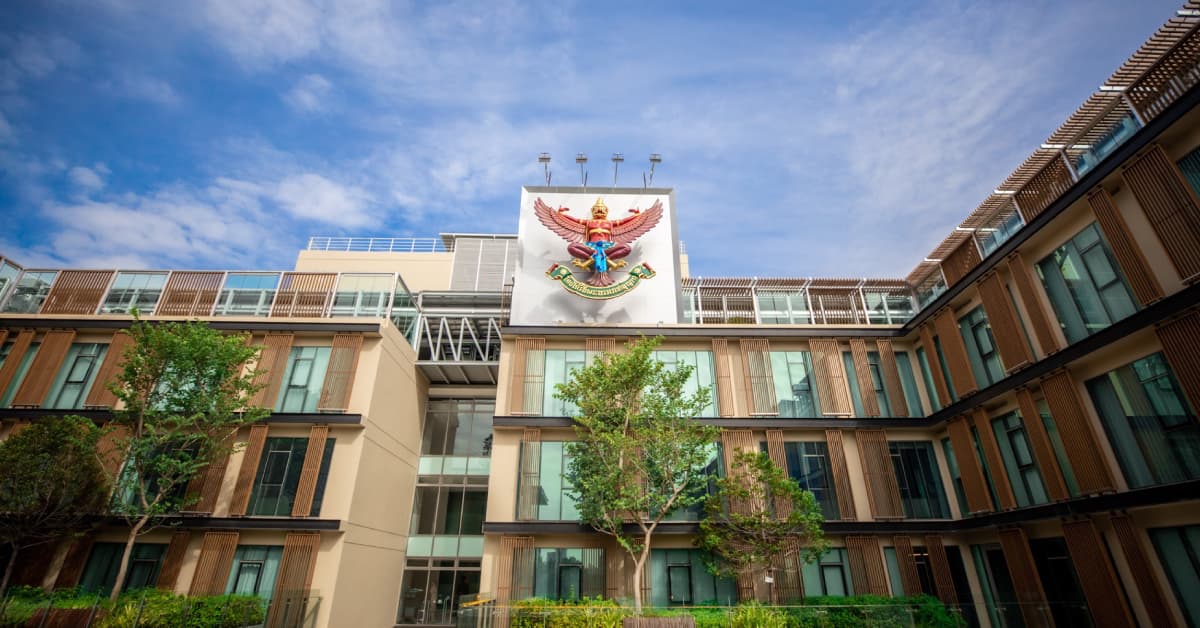
Bangkok International Hospital
JCISoi Soonvijai, Bangkok
JCI-accredited since 2007
Flagship of the Bangkok Hospital Group with multilingual staff and a full surgical program across cosmetic, dental, and general medicine.
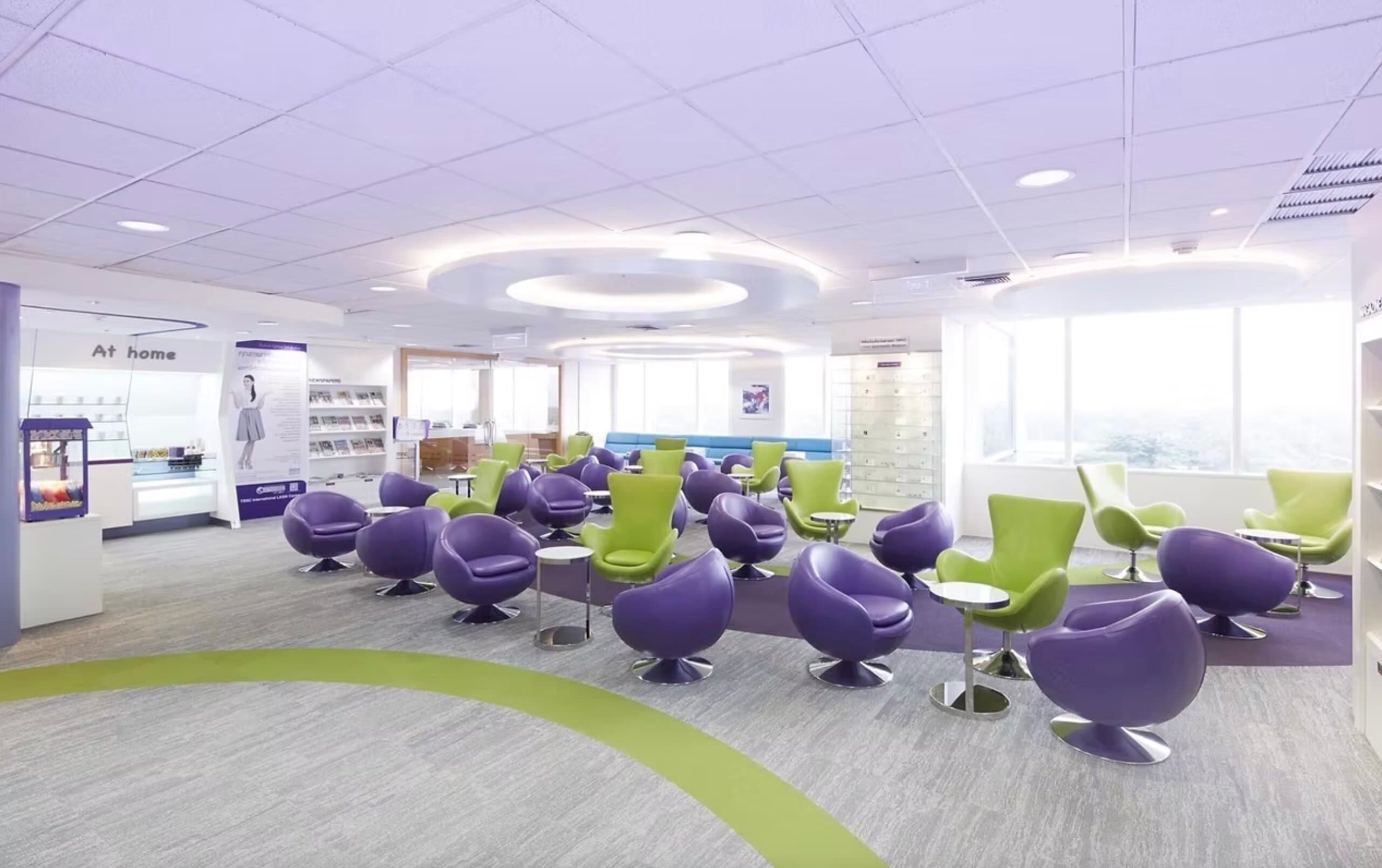
TRSC International LASIK Center
EyeSilom, Bangkok
Dedicated laser vision-correction centre — 102,000+ eyes treated
A standalone eye and vision centre led by medical director Dr. Ekktet Chansue, offering ReLEx SMILE, FemtoLASIK, PRK, and ICL alongside cataract and retinal care.
Not sure which hospital?
Our team can match you with the right hospital based on your goals, body type, and budget.
Talk to UsYour Surgeon
How to choose your otoplasty surgeon
Otoplasty is a standardised procedure with a surprisingly wide relapse-rate range (5–24%). The difference is almost entirely surgeon experience and technique fit. Six questions separate the experienced surgeons from the generalists.
ThPRS (Society of Plastic and Reconstructive Surgeons of Thailand) board certification requires a four-year RCST-accredited residency and a plastic-surgery board exam. MCT (Medical Council of Thailand) registration is the base licence every physician must hold. Both are verifiable — ThPRS via the society directory, MCT via the public checkmd portal. A surgeon who can't confirm both before you book should not be the one doing your otoplasty.
Otoplasty is a lower-volume procedure than rhinoplasty or blepharoplasty, so surgeon-level volume matters more. We shortlist surgeons with 20+ primary otoplasties per year. Fewer than that and you're paying to be on the learning curve of a surgeon whose day-to-day is different procedures.
The right answer describes palpating cartilage stiffness at consultation and picking between cartilage-sparing (Mustarde + Furnas sutures) and cartilage-scoring (Converse / Stenström / Chongchet) based on that. A surgeon who defaults to a single technique for every case — without explaining the case-specific reason — is applying a one-size protocol. Primary cases with flexible cartilage should get sutures; stiff-cartilage cases should get scoring. A surgeon who can't have that conversation is not the one.
Relapse is the headline complication (5–24% across published series). A good answer names a specific personal rate, describes the headband compliance protocol the surgeon enforces, and outlines the revision pathway if it happens (usually a cartilage-scoring revision under local anaesthesia at 6–12 months post-op). A surgeon who can't name a rate is one who hasn't measured it.
Revision otoplasty is a distinct skill — scar tissue changes the surgical planes, and the technique choice is case-specific. If you're a revision patient, you want a surgeon with documented revision volume (ask for the number per year). If you're a primary patient, this question tells you whether the surgeon will be the right person if your primary case ever relapses.
A rigorous protocol is 24/7 for the first two weeks, nighttime only for weeks 3–6. A good surgeon walks you through fit before you leave the operating theatre, writes down the transition schedule, and tells you honestly that non-compliance is the single biggest predictor of bad outcomes. If the headband conversation is casual, the relapse rate at that clinic reflects it.
How we verify
We ask for ThPRS membership proof, MCT registration numbers, annual otoplasty case volume, documented personal relapse rate, and photographic records of primary and revision cases at 3 and 6 months post-op. If a clinic won't share these before you book, we don't recommend it.
Patient Stories
What patients say
All reviews are from verified patients who received treatment at the clinic they're reviewing.
“Had prominent ears since childhood, finally did something about it at 34. ThPRS surgeon explained cartilage-sparing vs scoring at consultation, picked sutures based on how the cartilage felt. £1,800 all-in vs £3,400 quoted in London. Headband on for two weeks, back at work at week three.”
Marcus T.
Adult primary otoplasty, Bangkok Plastic Surgery Clinic
“Paired a Thailand family trip with my daughter's otoplasty. Samitivej's pediatric anaesthesia team was excellent — daughter was comfortable the whole time. Day 7 review was straightforward, flew home day 9. Saved around AUD $3,000 vs the Melbourne quote and the care was better.”
Priya S.
Pediatric otoplasty for 7-year-old, Samitivej
“Had a primary in the US at 21 that drifted back within two years. Bumrungrad surgeon did a cartilage-scoring revision — the right call for stiff adult cartilage that had sprung back against the original sutures. $3,900 all-in vs $8,500 revision quote at home.”
James L.
Revision otoplasty (10-year post-primary relapse), Bumrungrad
All photos shared with explicit written consent. Results vary by individual.
See more treatmentsResearched & written by
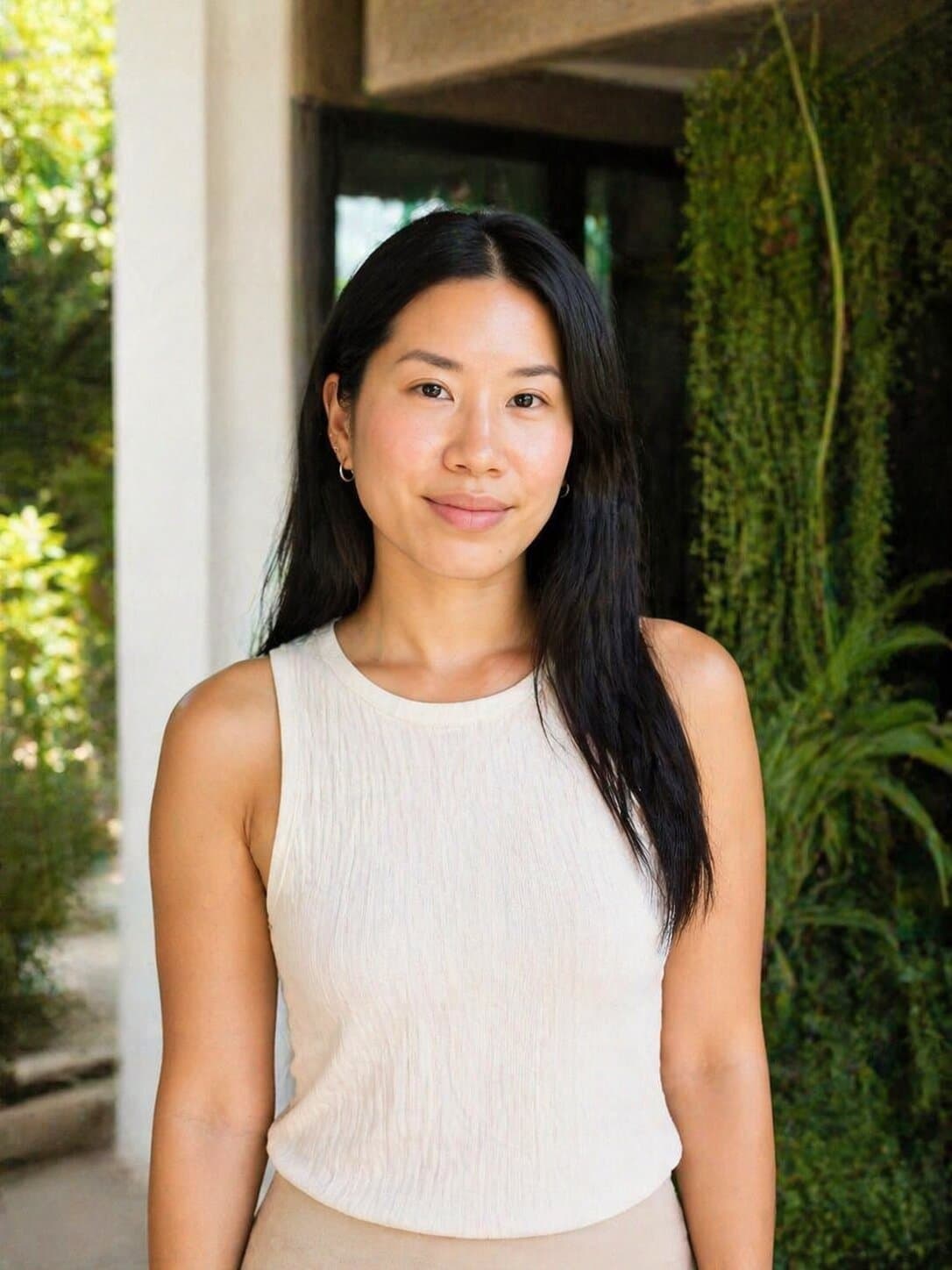
Nat
Co-founder, ClinicPins
Born and raised in Bangkok. Educated in the US. Personally visited every clinic we recommend.
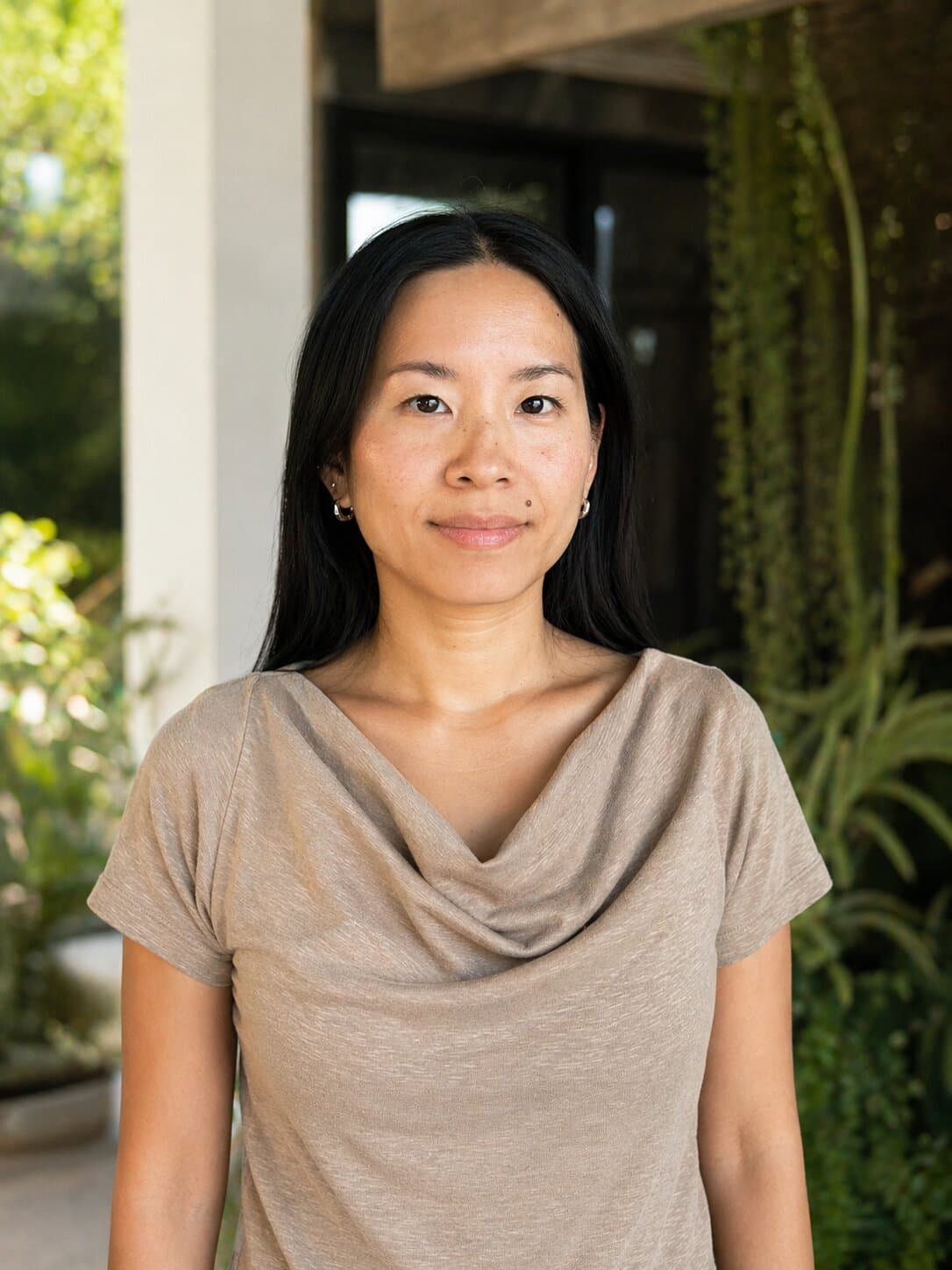
Nisha
Co-founder, ClinicPins
Fluent in Thai and English. Bridges the gap between international patients and Thai clinics.
We are concierge coordinators, not medical professionals. This content is for informational purposes only and does not constitute medical advice — always consult a board-certified surgeon for personalised recommendations. Meet the team
FAQ
Frequently asked questions
Mid-range Bangkok plastic-surgery clinics charge $1,200–$2,500 all-in for adult primary otoplasty, covering surgeon fee, operating room, anaesthesia, headband, and the day 7–10 suture-removal review. Premium JCI-accredited hospital clinics run $2,500–$4,500, including overnight-optional admission and a pediatric general-anaesthesia pathway. Budget clinics from $1,000–$1,600 work for straightforward primary cases with ThPRS-certified surgeons, but we don't recommend the budget tier for revision cases. Revision otoplasty adds 30–60% to base pricing at every tier.
Yes, when done by a ThPRS board-certified plastic surgeon at a JCI-accredited hospital or an ISAPS-member clinic. Otoplasty is one of the most standardised plastic-surgery procedures — the suture-based and cartilage-scoring techniques have been the global reference since 1963, and one of them (the Chongchet technique) was developed by a Thai surgeon. The credential bar to verify is MCT licence + ThPRS board certification + documented annual case volume of 20 or more. We don't recommend surgeons without those three markers.
7–10 days. The procedure is day one, the compression headband goes on 24/7 from the day of surgery, non-absorbable sutures come out at the day 7–10 in-clinic review, and most patients fly home day 8–11. The headband continues at home — nighttime only from week 3 through week 6 — but the clinical anchor is the day 7–10 suture removal, which has to happen in Bangkok.
Yes. Most clinics recommend age 5–7 — the ear reaches around 85% of adult size by age 5, the cartilage is still flexible, and general anaesthesia is low-risk at that age in an accredited pediatric-capable hospital. Bumrungrad and Samitivej both have in-house pediatric anaesthesia teams. Cost runs 10–25% above adult primary pricing to cover the general-anaesthesia surcharge. The recovery is the same 7–10 day window, though children usually need a parent enforcing the headband protocol.
Cartilage-sparing uses horizontal mattress sutures (Mustarde, Furnas) through the back of the cartilage to create the antihelical fold and set back the conchal bowl — no anterior cartilage work. Cartilage-scoring (Converse, Stenström, Chongchet) weakens the anterior cartilage surface so it bends without relying on sutures alone — more invasive, lower relapse risk in stiff cartilage. Most surgeons default to suture-sparing for flexible cartilage and switch to scoring for stiff adult cartilage. The decision happens at consultation when the surgeon palpates your ear.
Published series report relapse in 5–24% of cases — the wide variance is almost entirely surgeon experience, technique fit, and headband compliance. You minimise it by booking a ThPRS surgeon with 20+ annual cases, asking them to justify technique choice based on your cartilage stiffness, and wearing the compression headband 24/7 for the full first two weeks without exception. Patients who skip the headband because it is uncomfortable account for most relapse at experienced clinics.
Yes — the headband stays on for the flight and the first two weeks after surgery. Suture removal at day 7–10 happens in Bangkok before you fly. The headband doesn't affect cabin pressure and doesn't need to come off during the flight. Most patients book an aisle seat and a direct flight if possible — sleeping flat on your back is allowed, side-sleeping is not for the first six weeks.
US, UK, Australian, Canadian, NZ, Singapore, and Hong Kong passports are entitled to 60 days visa-exempt entry under Thailand's current exemption schedule. That is more than enough for the standard 7–10 day otoplasty trip, with plenty of room for a beach or mountain extension after the day 7–10 review. We confirm the current rule for your specific passport in your trip plan.
Still have questions? Talk to our concierge team
Ready to start planning?
Tell us what you're considering — even if you're just exploring. No commitment, no pressure.
ClinicPins receives referral fees from partner hospitals. This does not affect our recommendations or your price. Read our editorial policy.
Related
Related treatments
Rhinoplasty
Nose reshaping — open, closed, and Asian rhinoplasty at ThPRS aesthetic centres. Commonly paired with otoplasty for patients combining ear and nose reshaping in a single trip.
Learn more
Facelift
SMAS, deep-plane, and mini-facelift techniques for adult patients pairing ear reshaping with broader facial rejuvenation.
Learn more
Blepharoplasty
Upper or lower eyelid surgery — another short-stay face-cluster surgical option with a similar 7–10 day recovery window.
Learn more