Dental Veneers
in Thailand.
Veneers in Thailand are a single-trip smile reset — usually 7–10 days from first consultation to final cement. Our Bangkok team books the cosmetic dentist, the lab, and a hotel within fifteen minutes of the clinic. We've personally visited every clinic we recommend.
Last updated September 2026

“Saved AUD $22,600 for ten veneers.”
Sarah M. · Melbourne, AU
Veneers in Thailand — a fraction of home-country prices.
Porcelain veneers at mid-range Bangkok clinics run US $300–$500 per tooth. That's well under the US ($900–$2,500), UK (£650–£1,200), Australia (AUD $1,500–$3,000), and Canada (CAD $1,000–$2,500) for the same lithium-disilicate (IPS e.max) veneers your dentist at home would use.
🇹🇭Thailand
$300–$500
per porcelain veneer at mid-range Bangkok clinics
- Digital smile design and shade mock-up
- Enamel prep and digital scan or impression
- Temporary veneers during lab fabrication
- Final lithium-disilicate (IPS e.max) veneer
- Light-cured adhesive cementation
- Up to 3 follow-up appointments in-country
Other Countries
- Nightguard (add ฿8,000–฿15,000 if you grind your teeth)
- Pre-treatment whitening for shade matching (if needed)
- No concierge or travel coordination
Are veneers in Thailand safe?
Yes — when you choose a dentist with Dental Council of Thailand registration and a specialist credential (AACD Accreditation, BACD Accredited Member, or a prosthodontics certificate), not just a clinic offering a cheap per-tooth price.
Thailand hosts more JCI-accredited healthcare organisations than any country in Southeast Asia — the same international accreditation body behind top US hospitals. Its standards cover over 1,200 patient-safety and quality measures, re-audited every three years.
Bangkok International Dental Center was the first standalone dental centre in ASEAN to earn JCI accreditation. Most cosmetic dentistry still happens at specialty centres rather than JCI hospitals, so for veneers specifically, the more important layer is the dentist's individual credentials — the AACD Accredited designation is the clearest quality signal in the field.

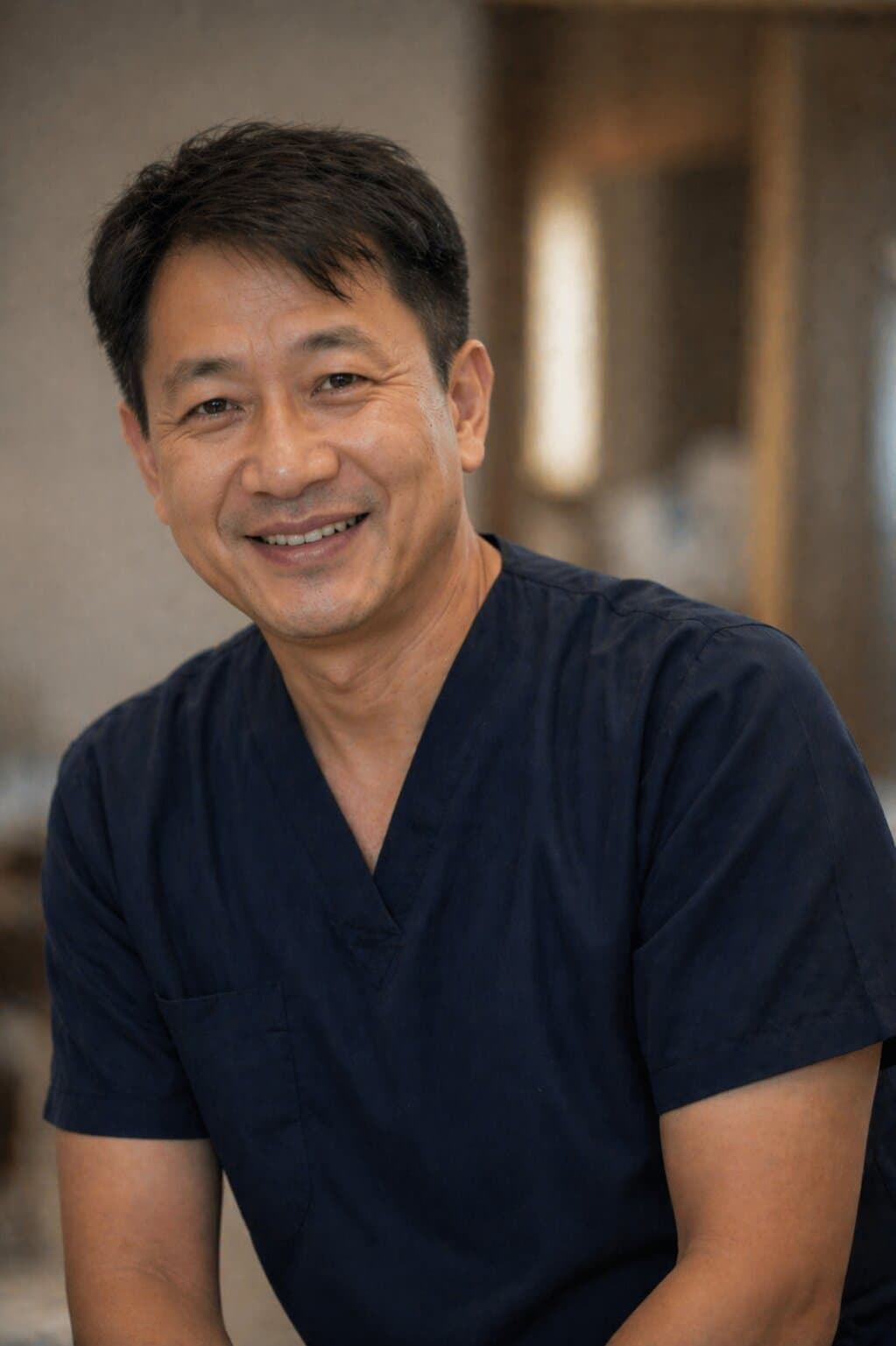
Nat
Co-founder, ClinicPins
93–94%
of porcelain veneers are still in place at 10 years — across two large reviews covering more than 2,600 veneers
ISO 6872
the international ceramic standard that sets the strength rating for every veneer material a dentist uses today
AACD
American Academy of Cosmetic Dentistry Accreditation is held by a minority of Thai cosmetic dentists — the clearest quality signal in the field
Dentist credentials that matter
Dental Council of Thailand registration
Every dentist practising in Thailand has to hold an active Dental Council licence — the dental version of a medical licence. This is the first thing we check, and it is non-negotiable before any work begins.
AACD Accreditation or BACD Accredited Member
Cosmetic-dentistry credentials sit on top of the basic licence. AACD Accreditation (only about 400 dentists worldwide hold it) means the dentist has submitted real cases for review by other accredited dentists. BACD Accredited Member is the UK version. A handful of senior Bangkok cosmetic dentists hold one of the two — those are the names we shortlist for smile-makeover cases.
ISO 6872 ceramics and FDA-cleared materials
The clinics we recommend use lithium-disilicate ceramics — most commonly Ivoclar's IPS e.max — made to the ISO 6872 standard and cleared by the US FDA. Same material a London or Sydney cosmetic dentist would use on their own mouth.
What the research says
Porcelain veneers have a strong track record. Two large reviews covering more than 2,600 veneers found 93–94% were still in place at the 10-year mark. A separate long-term study that followed 66 veneers for 20 years found 82.9% still in the mouth — roughly 8 in 10 still going two decades later. When veneers do fail, it is usually a chip in the ceramic or debonding (a veneer coming loose). Modern lithium-disilicate (IPS e.max) is at the top end of that range.
Composite veneers are a cheaper, single-visit option. Studies put 5-year composite survival at 70–85%, dropping to 50–70% at 10 years — well below porcelain. Composite works well for small cases and budget-conscious patients who are fine with more frequent touch-ups. Porcelain is the better choice if you want a smile that holds up past a decade without maintenance. If you're considering a full reset, compare options against dental implants in Thailand first — a veneer cannot save a missing tooth.
Risks to be aware of
The main things to know: veneers can chip (3–5% in the first 5 years, 5–10% by year 10), a veneer can come loose — debonding — (2–6% by year 10), and up to half of patients get mild cold sensitivity for 2–4 weeks. The biggest one is that enamel reduction (the thin layer of tooth surface removed before a veneer is bonded) is permanent. Once enamel is removed for a traditional veneer, it does not grow back. After that, the tooth will always need a veneer, crown, or composite covering to look right.
How to minimise risk:
- Choose a dentist with AACD or BACD credentials, not just a low per-tooth price. Getting colour and shape right takes thousands of cases of practice.
- Ask to see unedited 12-month and 5-year case photos in the exact style you want — bright Hollywood white or natural translucent. Honest clinics send these without hesitation.
- Get a nightguard if you grind your teeth. Grinding is the single biggest cause of a veneer chipping, and the guard costs less than replacing one veneer.
- Do a try-in appointment before the final cementation. The dentist seats the veneers without glue so you can review the shape and shade. This is the easiest moment to fix anything — once the glue sets, it is much harder.
- Know the trade-off going in. Porcelain lasts 10–20+ years, composite 5–7. Enamel reduction for porcelain is permanent. A good dentist walks you through both paths before you commit.
Pricing
How much do veneers in Thailand cost by country?
Select your home country
You could save $6,000–$20,000

Price ranges by clinic tier
Prices based on our 2026 clinic research, cross-referenced with published Thai cosmetic-dentistry fee schedules. Ranges are per tooth for a standard 10-veneer upper arch at mid-range Bangkok clinics; composite and same-day CAD/CAM cases are quoted individually.
Budget Clinics
$180–$300 per tooth
Save 80–90% vs 🇺🇸🇬🇧🇦🇺🇨🇦Small standalone clinic with feldspathic porcelain or composite as the default. Works for a case that is simple, a patient who is low-maintenance, and a dentist whose credentials you have actually verified.
- Feldspathic porcelain or composite veneers
- Analog impressions (not digital scans)
- Standard shade matching
- One follow-up review
Mid-Range Specialty
$300–$500 per tooth
Save 70–85% vs 🇺🇸🇬🇧🇦🇺🇨🇦Cosmetic-focus clinic with a TDC-registered dentist who has published case photos and either AACD membership or prosthodontics training. Lithium-disilicate e.max is standard; digital smile design comes included.
- IPS e.max lithium-disilicate veneers
- Digital smile design and mock-up
- Digital scan plus lab fabrication (3–7 days)
- 2–3 follow-up appointments in Bangkok
Premium International
$500–$800 per tooth
Save 60–80% vs 🇺🇸🇬🇧🇦🇺🇨🇦JCI-accredited hospital or AACD-Accredited dentist. Full digital workflow, master ceramist on staff, published smile-makeover portfolio. For patients whose smile is their professional currency.
- AACD-Accredited or BACD-Accredited lead dentist
- IPS e.max or feldspathic layered ceramic
- In-house CAD/CAM plus master ceramist option
- Full digital smile design workflow
- Remote review and adjustment support
What's included — and what isn't
Typically included
- Pre-treatment consultation and full smile-design planning
- Shade matching and mock-up try-in (trial smile)
- Enamel prep under local anaesthesia (typically 0.3–0.7 mm)
- Temporary veneers during lab fabrication
- Final lithium-disilicate (IPS e.max) or composite veneers
- Cementation with light-cured adhesive resin
- Up to 3 follow-up appointments in Bangkok
Typically not included
- Nightguard (for bruxism patients)฿8,000–฿15,000
- Pre-treatment whitening (if needed)฿5,000–฿12,000
- Gum-lift surgery (if aesthetics require it)฿8,000–฿20,000 per tooth
- Root canal or restorative work on the underlying toothquoted case-by-case
- Upgrade to master-ceramist hand-layered porcelain+30–50% on base price
- Flights, hotel, transfersvaries by origin
Your Trip
Your veneers trip to Thailand
Veneers are a single-trip case. Most patients land on a Monday, prep on Tuesday, wait out the lab until the following Monday or Tuesday, and fly home a week after that. Here's what each phase looks like.
Phase 1
Before you arrive
3–6 weeks out
- Send high-resolution photos of your smile (front, side profile, relaxed lips, full teeth-showing smile) to our team on WhatsApp.
- Virtual consultation with your chosen cosmetic dentist to confirm the case — number of teeth, material (porcelain vs composite), shade range, and any gum-line adjustments.
- Sign off on a preliminary digital smile design. We book your trip around the lab fabrication window — typically 7–10 days in Bangkok.
- Whitening-at-home kit if needed for shade matching. Your dentist decides based on the adjacent natural teeth.
- No food or lifestyle restrictions pre-trip. This is cosmetic dentistry, not surgery.
“We send the smile design to you before you book flights. You review it on your phone, suggest tweaks, approve it. You arrive already knowing what the result is going to look like.”
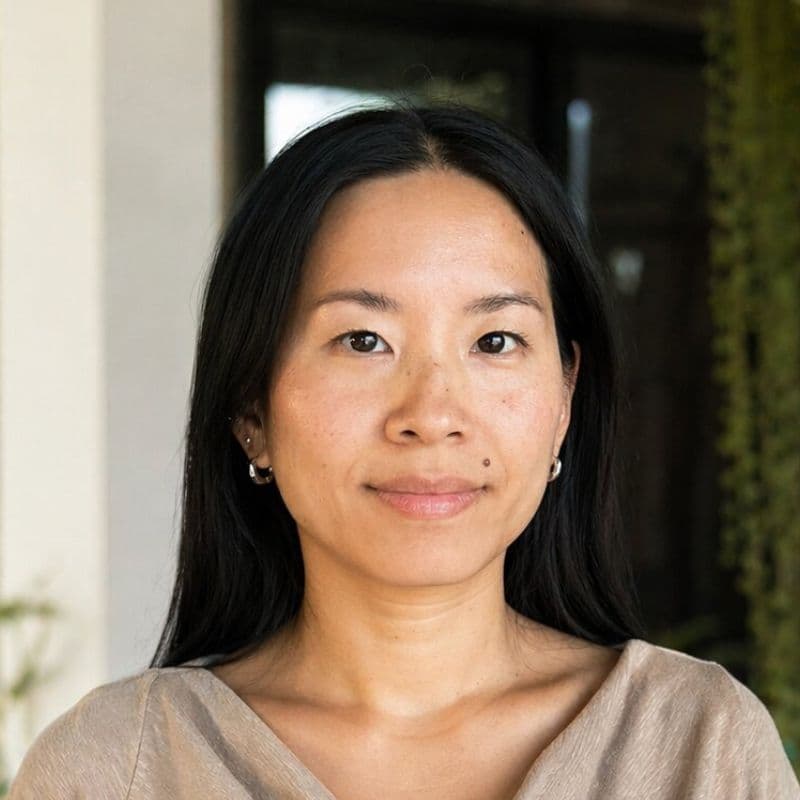
Nisha
Co-founder, ClinicPins
Phase 2
Consultation, prep, and temporaries
Day 1 to Day 2
- Day 1 morning: in-person consultation, final smile design confirmation, shade matching under good light, digital scan or silicone impression.
- Day 1 afternoon or Day 2: local anaesthesia, gentle enamel prep (0.3–0.7 mm of the front face), detailed scan of the prepped teeth.
- Temporary veneers placed the same day — they look reasonable, they feel fine, they are not the final result.
- Mild tooth tenderness and cold sensitivity are normal over the next few days. Over-the-counter analgesics are enough for most patients.
- Plan Day 2 onwards as a holiday while the lab fabricates. Your dentist is on WhatsApp if anything feels off.
“Prep day takes two or three hours in the chair. Most patients walk out, get lunch, take a nap, and are back out that evening. It is not surgery.”
Nat
Co-founder, ClinicPins
Phase 3
Try-in, final cement, and flight home
Day 7 to Day 10
Day 7–8
Lab-delivered veneers arrive. Try-in appointment: the dentist seats the veneers without glue so you can review shape, shade, and length in a mirror under natural light. Adjustments sent back to the lab if needed.
Day 8–9
Final cementation under local anaesthesia. Light-cured adhesive resin, bite check, polish. Takes 2–3 hours. Avoid coffee and dark foods for 24 hours while the resin fully sets.
Day 9–10
Follow-up review: bite refinement, polish, final photos. Flight home is safe from day 9 onwards. No activity restrictions.
Weeks 2–4
At home. Mild cold sensitivity tapers off. A nightguard arrives by post if you ordered one. Full settling and gum adaptation is complete by week 4.
“The try-in is where patients get nervous and then stop being nervous. You see the smile on your face, the dentist adjusts the one thing you want adjusted, and the glue goes on. That is the whole moment.”
Nisha
Co-founder, ClinicPins
That’s the plan. Yours gets built around your dates.
Tell us roughly when you’re free and we’ll come back with a schedule that fits, including recovery time before you fly.
Recovery
You're here anyway. Make a trip of it.
Prep day and cementation day are the only appointments that anchor you to Bangkok. The 5–7 days between are yours — scuba in Koh Tao, beach day in Krabi, coffee in Chiang Mai. Our concierge team can plan it all.
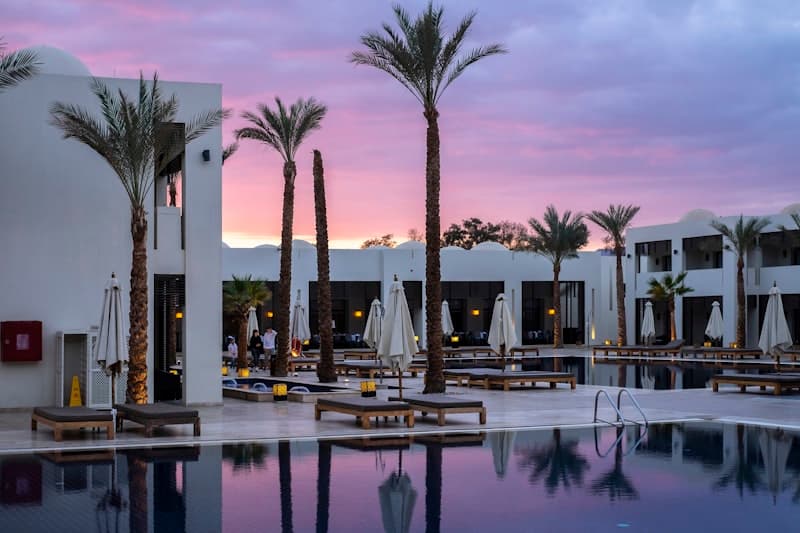
Stay in Bangkok
Sukhumvit or Silom puts you fifteen minutes from your clinic for try-in and cementation. Rooftop pools, the best street food in Southeast Asia, 24-hour pharmacy access, and the BTS line to everything. Easiest logistics, most amenities.
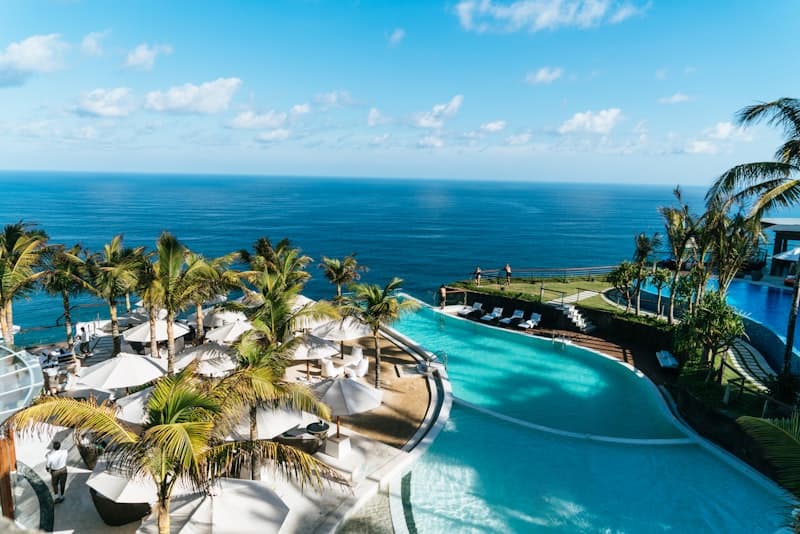
Head to the Beaches
Phuket, Krabi, or Koh Samui a one-hour flight south during the lab-fabrication week. Resort-style days. Only constraint: soft foods on the first day or two after prep while the temporaries settle.
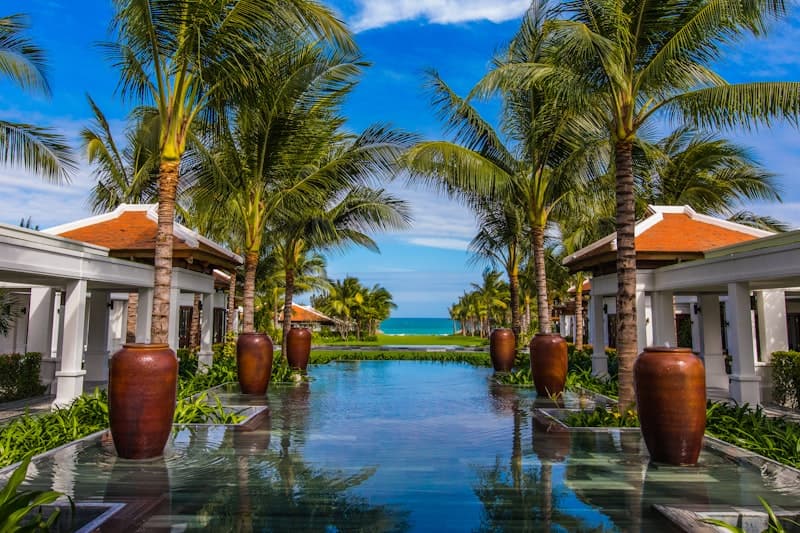
Escape to the Mountains
Chiang Mai or Pai in the north. Cooler climate, great coffee culture, slower pace. The lab-fabrication gap is ideal for a four-day mountain reset before coming back to Bangkok for try-in.
“We book the hotels, we arrange the domestic flights, we keep the dentist on WhatsApp while you are on a beach. You focus on the holiday.”
Nat
Co-founder, ClinicPins
Options
Veneer types
Four approaches cover almost every international veneer case. Your dentist picks between them based on how much enamel you want to preserve, how many teeth are involved, and how quickly you need to be back at work.
Traditional porcelain veneers (IPS e.max)Most common
The default for cosmetic smile work. The dentist does an enamel reduction (a thin layer of tooth surface — about 0.3–0.7 mm — removed from the front of each tooth) and takes a digital scan. The lab then makes a lithium-disilicate (IPS e.max) veneer over 5–7 working days. Large studies show 93–94% of these veneers are still in place at 10 years. Colour is deeper than composite, and the material is translucent like natural enamel.
Lab time
5–7 working days in most Thai clinics; 3–5 days where the clinic has an in-house master ceramist.
Anaesthesia
Local only. No sedation unless you are nervous and request it.
Longevity
10–20+ years with a nightguard and normal home care.
Trip pattern
Single trip, 7–10 days in Bangkok covering prep, lab wait, try-in, and final cement.
$300–$500 per tooth
Save 70–85% vs home“Porcelain is the right answer for most patients we send. Shade depth, translucency, longevity — it is the material a London or Sydney cosmetic dentist would use for their own mouth.”
Nat
Co-founder, ClinicPins
Composite direct-bonded veneers
Tooth-coloured composite resin the dentist applies and shapes directly onto the tooth in one appointment — no lab involved. Cheaper, single visit, and repairable if something chips. The trade-off: studies show 70–85% of composite veneers are still in place at 5 years (porcelain is 93–94%), and the finish is less shiny than ceramic. A good fit for small cases, budget patients, and people who want to test a shape before committing to porcelain. If you just want a brighter shade and your teeth are already well aligned, teeth whitening in Thailand is the cheaper starting point.
Visit count
One appointment, 2–4 hours depending on tooth count.
Longevity
5–7 years on average before a touch-up or replacement.
Reversibility
Minimal enamel prep — more reversible than porcelain if you change your mind later.
Trip pattern
1–3 days in Thailand is enough. Makes sense as a weekend add-on to a longer holiday.
$100–$200 per tooth
Save 60–75% vs home“Composite is a great entry point. A lot of our patients do composite first to see the shape they like, then upgrade to porcelain a few years later when they know exactly what suits their face.”
Nisha
Co-founder, ClinicPins
No-prep ultra-thin veneers
Ultra-thin (0.2–0.3 mm) feldspathic or lithium-disilicate veneers bonded straight onto the front of the tooth with no enamel removed, or only very light shaping. Reversible in principle. Brand names include Lumineers and Durathin. Only works for a minority of patients — small, well-aligned teeth with enough enamel and no teeth already sticking out. A good dentist tells you honestly whether you qualify.
Candidate profile
Small teeth, well aligned, adequate enamel, no bite problems.
Enamel prep
None or very minimal — the main selling point.
Limitation
Can look bulky if placed on teeth that already project forward. Not a universal solution.
Trip pattern
Same as traditional — 7–10 days in Bangkok for contouring, lab fabrication, try-in, and cement.
$350–$550 per tooth
Save 70–80% vs home“No-prep is oversold in cosmetic-dentistry marketing. It is right for maybe one in five patients who ask for it. An honest dentist says no more often than yes.”
Nat
Co-founder, ClinicPins
Smile makeover (8–20 veneers)
A full cosmetic reset — usually the upper 8–10 teeth, sometimes upper and lower. Starts with a diagnostic wax-up and digital smile design, then prep, temporaries, lab fabrication, try-in, and cementation. Longer trips (10–14 days in Bangkok) are standard. This is where AACD Accreditation on the lead dentist matters most — shade, symmetry, and gum-line aesthetics compound across the arch.
Tooth count
Typically 8–10 upper; 16–20 for upper and lower.
Trip length
10–14 days in Bangkok for full upper arch; longer for upper + lower.
Pre-treatment
Often includes in-clinic whitening on the non-veneered teeth for shade match.
Credentials
Lead dentist should hold AACD Accreditation, BACD Accredited Member, or a prosthodontics specialty certificate.
$2,500–$6,000 per 10 teeth
Save 70–85% vs home“A smile makeover is the highest-stakes cosmetic case we coordinate. We only send these patients to dentists with published accredited portfolios. The wrong dentist for a ten-veneer case is the most expensive mistake in cosmetic dentistry.”
Nisha
Co-founder, ClinicPins
Personalise
Get your veneer estimate
Answer 3 quick questions and we'll show you a personalised price range.
What procedure are you considering?
Partner Hospitals
Veneer clinics in Bangkok
Three clinics we've worked with across the tier range. Each has at least one lead dentist with an international cosmetic-dentistry credential beyond the baseline TDC licence.
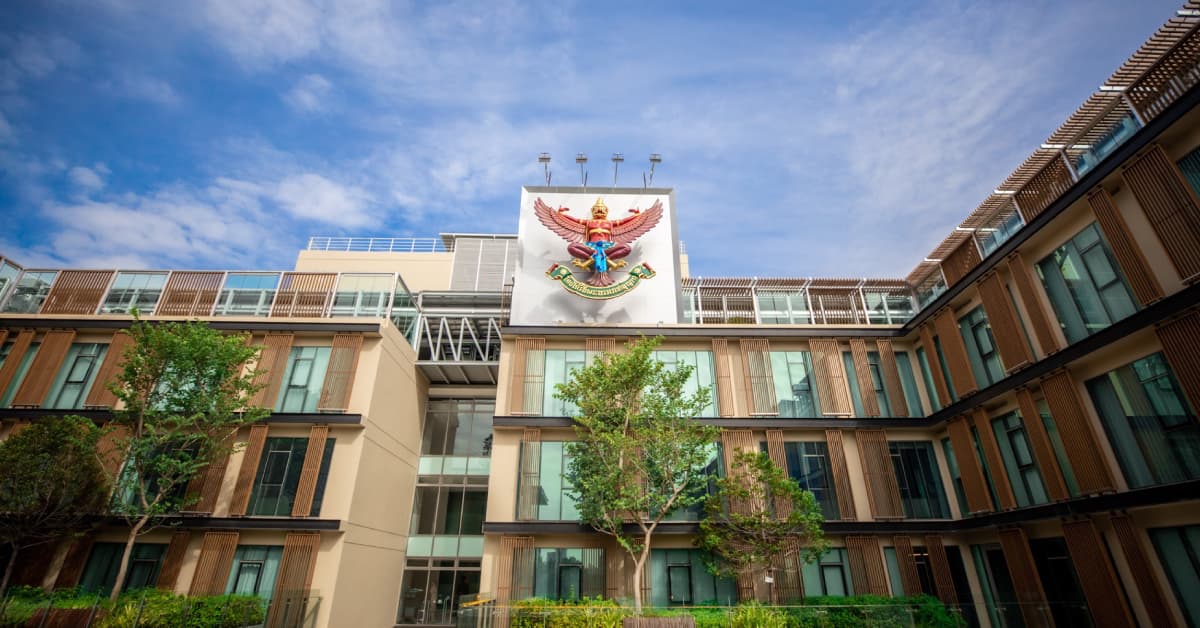
Bangkok International Hospital
JCISoi Soonvijai, Bangkok
JCI-accredited since 2007
Flagship of the Bangkok Hospital Group with multilingual staff and a full surgical program across cosmetic, dental, and general medicine.
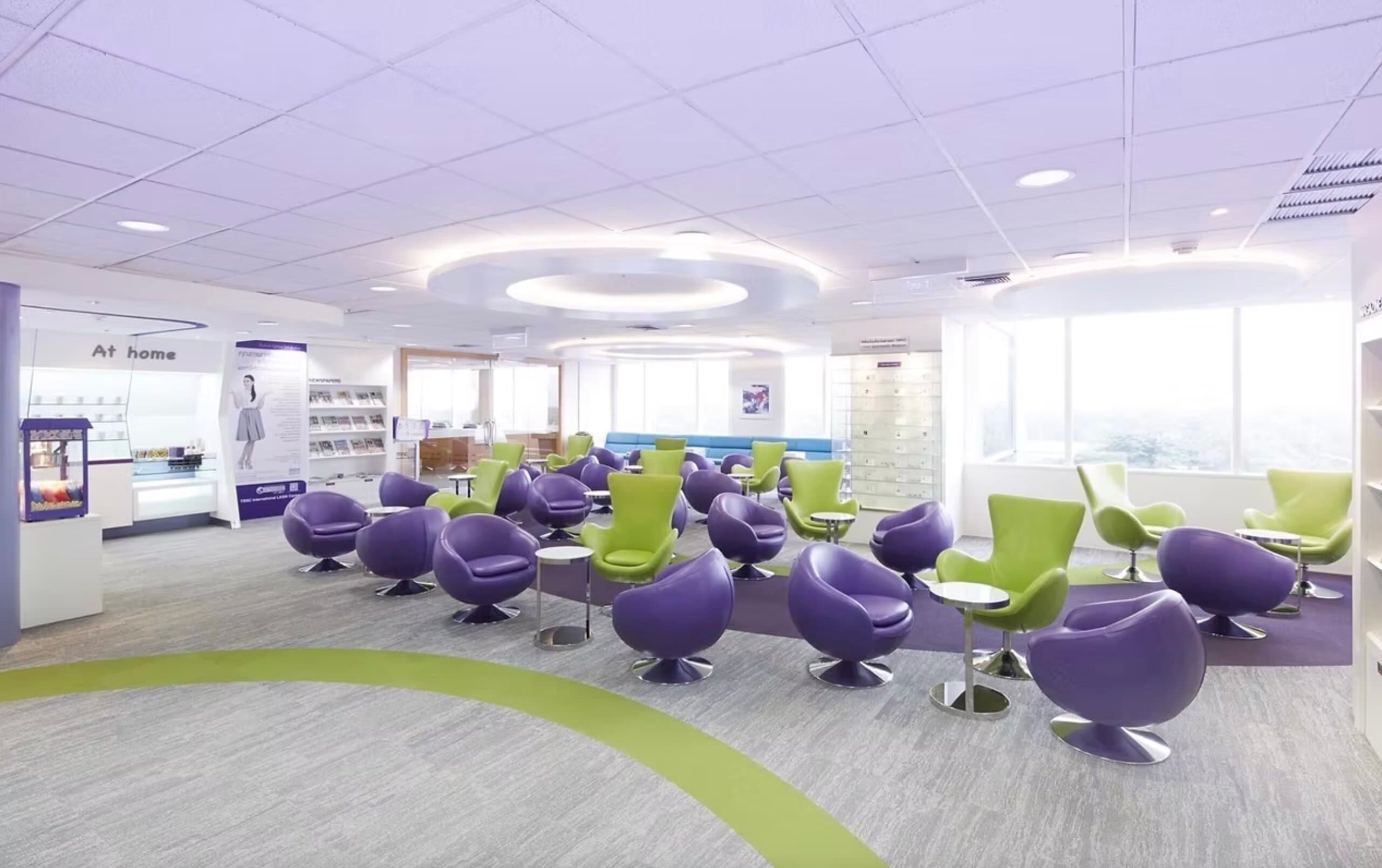
TRSC International LASIK Center
EyeSilom, Bangkok
Dedicated laser vision-correction centre — 102,000+ eyes treated
A standalone eye and vision centre led by medical director Dr. Ekktet Chansue, offering ReLEx SMILE, FemtoLASIK, PRK, and ICL alongside cataract and retinal care.
Not sure which hospital?
Our team can match you with the right hospital based on your goals, body type, and budget.
Talk to UsYour Dentist
How to choose your cosmetic dentist
Before committing to a clinic, run through these questions on a video call. A confident cosmetic dentist has answers ready.
Every dentist practising in Thailand must be registered. Ask for the licence number and verify it against the TDC directory before your first appointment. It is the dental baseline — non-negotiable.
The strongest cosmetic signals are AACD Accreditation (US), BACD Accredited Member (UK), or a prosthodontics specialty certificate from the Royal College of Dental Surgeons of Thailand. Any of these mean the dentist has had real case work reviewed by other accredited dentists — not just marketing photos.
Day-of-cement photos look great — every clinic has them. What you want is 12-month and 5-year follow-ups in the exact style you are after. An honest clinic sends these within 24 hours. A clinic that stalls is hiding something.
Lithium-disilicate (IPS e.max) is the default for most cases. Feldspathic porcelain is better for ultra-thin no-prep cases. Composite is cheaper and faster but has half the lifespan. A good dentist tells you which and why, not just upsells the most expensive option.
A wax-up (physical or digital) lets you see the planned result before any enamel is touched. A try-in appointment seats the final veneers without glue so you can review shape, shade, and length. Both are standard in good cosmetic practice. Neither should be skipped to speed up the trip.
Bruxism is the biggest cause of veneer fracture. A responsible dentist screens for grinding, quotes a nightguard if needed (฿8,000–฿15,000), and explains the home-care plan: soft-bristle brush, non-abrasive toothpaste, no hard candy or ice. If nightguards are not mentioned, ask.
How we verify
We ask for TDC registration numbers, copies of AACD or BACD credential certificates, and unedited 12-month case photos. If a clinic won't share these before you book, we don't recommend it.
Patient Stories
What patients say
All reviews are from verified patients who received treatment at the clinic they're reviewing.
“Quoted AUD $28,000 at home for the same 10 veneers. BIDC did them for AUD $5,400 including the digital smile design and two try-ins. I've had them nearly two years now and even my dentist in Melbourne can't fault the work.”
Sarah M.
10 porcelain veneers (e.max), BIDC
“US dentist quoted $14,000 for six uppers. Thantakit did the same six in IPS e.max for $2,700. I flew home the day after cementation, no issues on the plane, and my dentist at home confirmed the fit and margins were excellent.”
Daniel P.
6 porcelain veneers, Thantakit
“Wanted something reversible first. Eight composite veneers, one appointment, 3 hours in the chair. Cost a tenth of what a London cosmetic dentist quoted for porcelain. Planning to upgrade to porcelain in 5 years once I know the shape I love.”
Emma L.
8 composite veneers, Dental Signature
All photos shared with explicit written consent. Results vary by individual.
See more treatmentsResearched & written by
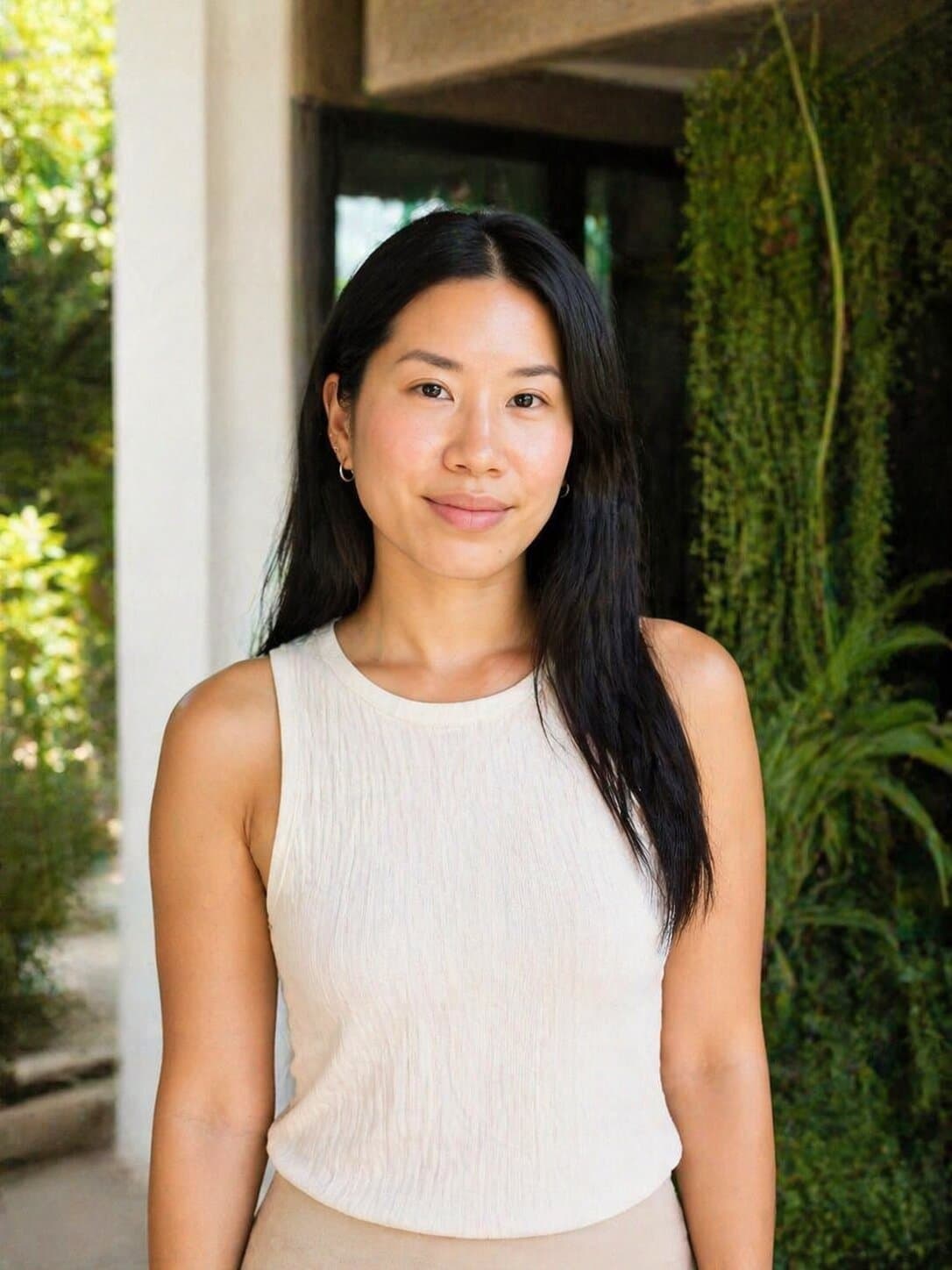
Nat
Co-founder, ClinicPins
Born and raised in Bangkok. Educated in the US. Personally visited every clinic we recommend.
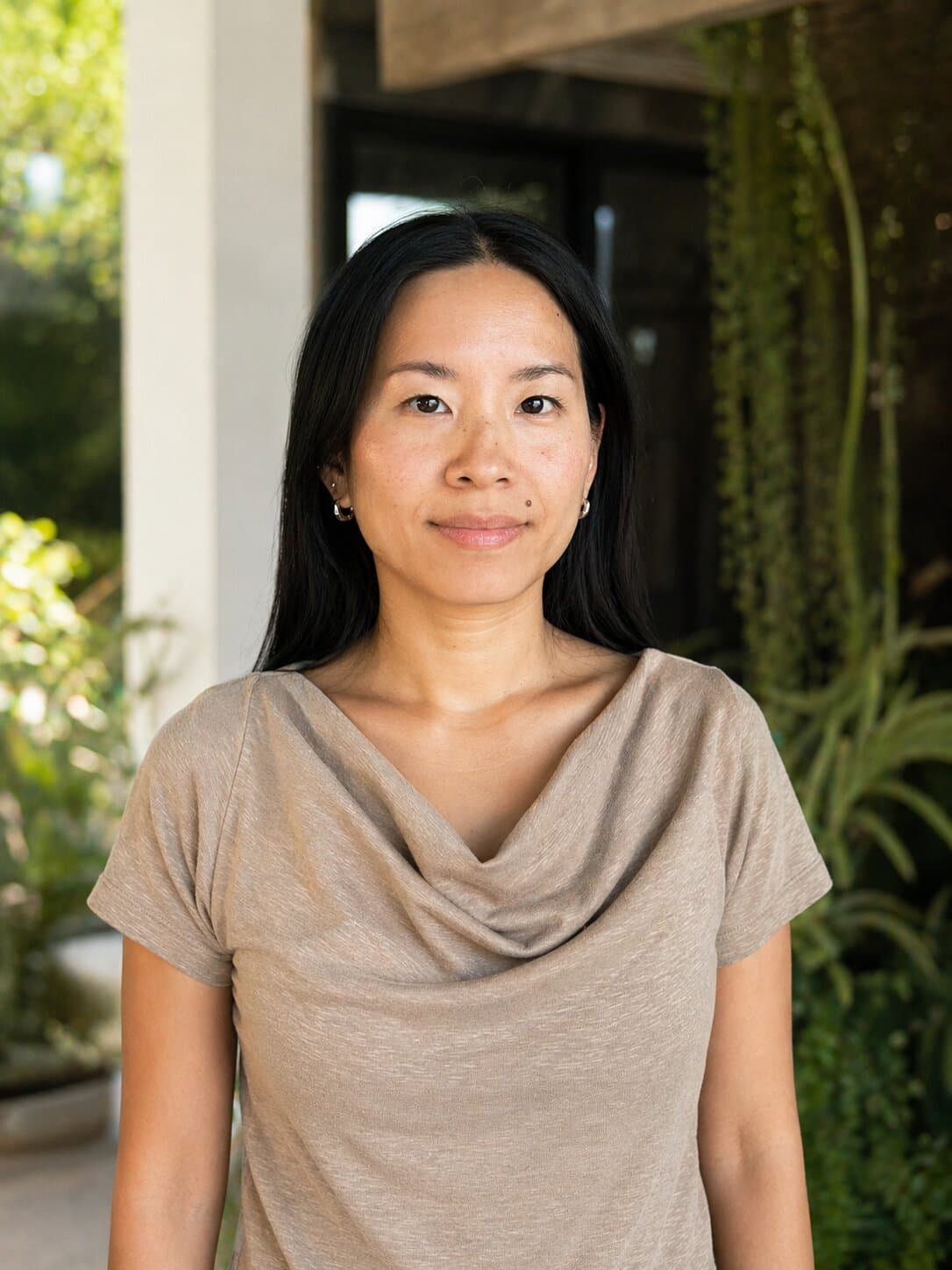
Nisha
Co-founder, ClinicPins
Fluent in Thai and English. Bridges the gap between international patients and Thai clinics.
We are concierge coordinators, not medical professionals. This content is for informational purposes only and does not constitute medical advice — always consult a board-certified surgeon for personalised recommendations. Meet the team
FAQ
Frequently asked questions
Mid-range Bangkok clinics charge $300–$500 per porcelain veneer, which works out to about $3,000–$5,000 for a full 10-tooth upper arch. Premium JCI-accredited or AACD-Accredited clinics reach $500–$800 per tooth ($5,000–$8,000 for the same arch). Composite direct-bonded veneers are cheaper — $100–$200 per tooth — and done in a single visit. Every price includes digital smile design, lab fabrication, try-in, and final cementation.
Plan 7–10 days in Bangkok for a standard porcelain case. Day 1 is consultation and enamel prep. Days 2–7 are your own — most patients head to Krabi, Phuket, or Chiang Mai while the lab fabricates. Day 8 is try-in, Day 9 is final cement, Day 10 is a buffer for any refinement. Full smile makeovers (16–20 teeth) extend to 10–14 days. Composite direct-bonded veneers can be done in 1–3 days.
Yes. Flights from day 9 onwards are routine. Veneer cementation is not surgery — there is no swelling, no bleeding, no cabin-pressure concerns. Most patients fly home the morning after their final cement appointment. Avoid coffee, red wine, and dark curries for the first 24 hours while the adhesive resin fully sets; otherwise, normal eating from day 2.
Lithium-disilicate (IPS e.max) from Ivoclar Vivadent is the default at mid-range and premium clinics — the same FDA-cleared ceramic class used in London, Sydney, and Los Angeles cosmetic practices. Feldspathic porcelain is used for ultra-thin or no-prep cases. Composite resin from major brands (3M, Kerr, Ivoclar) is used for direct-bonded cases. All are manufactured to ISO 6872, the international ceramic standard.
Yes. Every clinic we recommend runs a video consultation first — usually 30–45 minutes on WhatsApp or Zoom. You send high-resolution photos of your smile from multiple angles, plus a short dental history. The dentist returns a preliminary digital smile design you review before booking flights. Final sign-off on the case happens in person at your Day 1 appointment.
Chipping happens to 3–5% of modern porcelain veneers in the first 5 years, and 5–10% by year 10. Debonding — a veneer coming loose — is rarer (2–6% by year 10). If a veneer comes loose, it can often be re-bonded in one piece if you get to your home dentist quickly: keep the veneer, keep the tooth dry, book an appointment. Our clinics send you home with the exact material details for your case so any dentist can match it if you need a full replacement.
US, UK, Australian, Canadian, NZ, Singapore, and Hong Kong passports are entitled to 60 days visa-exempt entry under Thailand's current exemption schedule. That is more than enough for the 7–10 day veneer trip, with room to make a holiday of it. We confirm the current rule for your specific passport in your trip plan.
Still have questions? Talk to our concierge team
Ready to start planning?
Tell us what you're considering — even if you're just exploring. No commitment, no pressure.
ClinicPins receives referral fees from partner hospitals. This does not affect our recommendations or your price. Read our editorial policy.
Related
Related treatments
Dental Implants
Replace missing teeth with titanium implants — the right solution when a veneer cannot save the tooth.
Learn more
Teeth Whitening
A cheaper first step if your teeth are healthy and you mostly want a brighter shade.
Learn more
Dental Crowns
Full-coverage crowns for teeth too damaged or heavily restored for a veneer.
Learn more