Dental Implants
in Thailand.
Dental implants in Thailand are a two-trip concierge plan: placement first, then your crown once the implant has fused with the bone. Our Bangkok team books the dentist, the clinic, and the recovery hotel. We've personally visited every clinic we recommend.
Last updated September 2026
“Saved $3,300 per tooth.”
Daniel W. · Austin, US
Dental implants in Thailand — about half the cost of the US.
Single implants at mid-range Bangkok clinics run $1,500–$3,000 per tooth. That's roughly half the US price ($3,000–$6,000) and around 60% less than Australia (AUD $4,500–$7,500), for the same FDA-cleared implant brands your dentist at home would use.
🇹🇭Thailand
$1,500–$3,000
per tooth, all-inclusive
- Titanium implant fixture (Straumann, Nobel Biocare, or Osstem)
- Abutment and zirconia or PFM crown
- 3D CBCT imaging and treatment planning
- Local anaesthesia (IV sedation available)
- Post-op review appointments in Bangkok
- Concierge support throughout your trip
Other Countries
- Implant fee only — extractions, grafts, and crowns quoted separately
- Long waitlists for consultation and surgery
- No concierge or travel coordination
Are dental implants in Thailand safe?
Yes — when you choose an accredited centre and a dentist with both Thai Dental Council registration and international implant credentials.
Thailand hosts more JCI-accredited healthcare organisations than any country in Southeast Asia. JCI is the international arm of the Joint Commission, the same accreditation body behind top US hospitals, and its standards cover more than 1,200 patient-safety and quality measures, re-audited every three years. Bumrungrad International Hospital — the first hospital in Asia to earn JCI accreditation in 2002 — is now on its 7th re-accreditation cycle.
Nat
Co-founder, ClinicPins
1,200+
JCI patient-safety standards are re-audited every three years at every accredited centre
93–96%
10-year implant survival across a review of 18 studies on modern titanium implants
2002
Bumrungrad earned JCI accreditation — the first hospital in Asia, now on its 7th re-accreditation cycle
Dentist credentials that matter
Thai Dental Council registration
Every dentist working in Thailand — whether Thai-trained or from overseas — needs an active licence from the Thai Dental Council. This is the basic legal requirement we check first.
International implant credentials
Experienced implant dentists usually hold one or more extra qualifications on top of the local licence: an ICOI Fellowship or Mastership, ITI Fellow status (the scientific body behind the Straumann implant brand), or an AO Fellowship. We ask to see these on every implant case.
FDA-cleared implant systems
The dental centres we recommend use implant brands cleared by the US FDA — Straumann, Nobel Biocare, Osstem, and Neodent. The FDA clears the hardware, not the clinic placing it. The quality of the work comes down to your dentist.
What the research says
Dental implants are one of the most thoroughly researched procedures in dentistry. The biggest review of long-term outcomes pooled 18 studies and found that around 93–96% of implants are still working 10 years later. A 20-year review shows roughly 4 out of 5 implants still in place two decades on. Put simply: most implants last the rest of your life.
For All-on-4 (a full set of teeth on four implants), the largest long-term study followed 471 patients for 10 to 18 years. 93% of the implants held, and 99% of the fixed replacement teeth sitting on top of them were still in use. For single implants, the evidence shows the crown can sometimes go on the same day instead of waiting the usual 3 to 6 months for the bone to heal around the implant — if your case allows it. Your dentist decides after the CBCT scan.
Risks to be aware of
The risks are the same in Thailand as anywhere. About 3 in 100 patients get an infection in the first few weeks after surgery, and most clear up with antibiotics. Later in life, roughly 1 in 5 patients develops gum inflammation around the implant (peri-implantitis). Upper-jaw implants occasionally nudge the sinus lining during surgery, and lower-jaw implants can rarely bump a nerve. What matters more than the country is how your case is planned and by whom.
How to minimise risk:
- Pick a JCI-accredited centre, or a clinic linked to one
- Check the dentist is registered with the Thai Dental Council and has an international implant qualification (ICOI, ITI, or AO)
- Ask which implant brand is going in, and check it is FDA-cleared
- Make sure they take a 3D CBCT scan before surgery. Every centre we recommend does this as standard
- Keep your regular hygienist visits after you go home. Gum inflammation around the implant is mostly preventable with cleanings
Pricing
How much do dental implants in Thailand cost by country?
Select your home country
You could save $1,500–$4,500

Price ranges by clinic tier
Prices based on our 2026 clinic research, cross-referenced with published centre fee schedules (Bangkok Dental Center, Thantakit, Dental Hospital Thailand). Ranges exclude bone grafting, sinus lift, and extractions, which are quoted case by case.
Budget Clinics
$1,200–$1,800
Save 60–75% vs 🇺🇸🇬🇧🇦🇺🇨🇦Standalone dental clinic. Works for routine single-implant cases with no grafting or complex anatomy.
- Implant fixture and abutment
- Zirconia or PFM crown
- Panoramic imaging
- Basic follow-up
Mid-Range Specialty
$1,800–$3,000
Save 40–65% vs 🇺🇸🇬🇧🇦🇺🇨🇦Dedicated implant-focused centre with 3D CBCT planning and full in-house lab.
- Straumann, Nobel Biocare, or Osstem fixture
- Custom abutment
- Zirconia crown
- 3D CBCT imaging and guided surgery
- Multiple in-country follow-ups
Premium International
$3,000–$4,500
Save 20–50% vs 🇺🇸🇬🇧🇦🇺🇨🇦JCI-accredited hospital dental department or first-in-ASEAN JCI-accredited dental centre.
- Premium implant brand (Straumann BLX / Nobel Biocare N1)
- Hospital-grade sterilisation and anaesthesia
- Full digital workflow
- In-country follow-ups
- Remote review after you fly home
What's included — and what isn't
Typically included
- Consultation and 3D CBCT imaging
- Implant fixture (brand declared before surgery)
- Healing abutment and custom abutment
- Zirconia or PFM crown
- Local anaesthesia
- Post-op review appointments in Bangkok
Typically not included
- Bone graft (per site, if required)฿8,000–฿25,000
- Sinus lift (per side, if required)฿25,000–฿60,000
- Tooth extraction (per tooth, if required)฿1,500–฿4,500
- IV sedation upgrade฿8,000–฿15,000
- Flights, hotel, transfersvaries by origin
Your Trip
The two-trip model for dental implants in Thailand
Most patients need two visits: a placement trip, then a crown trip after the implant integrates with the bone. Here is what each week looks like.
Phase 1
Before you arrive
4–6 weeks out
- Send your recent x-rays and a short medical history to our team on WhatsApp.
- Virtual consultation with your chosen dentist to confirm the plan and implant system.
- We book your consultation, surgery slot, recovery hotel, and transfers.
- Stop smoking for at least 1 week before surgery — smoking is the single biggest modifiable risk factor for early implant failure.
- Arrange your trip: 5–10 days in Bangkok for the placement trip.
“By the time you land, the dentist already has your CBCT plan, your implant on the shelf, and your hotel 15 minutes away. You do the hard thinking before you fly.”
Nisha
Co-founder, ClinicPins
Phase 2
Surgery day
At the dental centre
- Check-in, final CBCT review, informed consent.
- Implant placement under local anaesthesia (IV sedation if you have chosen it) — 45–90 minutes per implant.
- Healing abutment or temporary cover fitted.
- Written post-op instructions and prescriptions handed over in English.
- Back to your hotel the same day — most patients do not need an overnight stay.
“We're there for check-in, and we bring soft food to your hotel after. You're not navigating Thai pharmacy runs solo on day one.”
Nat
Co-founder, ClinicPins
Phase 3
Recovery in Bangkok, then home
Days 1–10
Days 1–3
Peak swelling and mild discomfort. Soft-food diet. Prescribed analgesics and antibiotics. Ice pack on the cheek, keep the head elevated.
Days 4–7
Swelling subsides. Post-op review with the dentist. Most single-implant patients cleared to fly home from day 3; All-on-4 or sinus lift cases wait until day 10.
3–6 months at home
Osseointegration — the implant fuses with the bone. 3 months in the lower jaw, 6 months in the upper jaw. You brush it like a normal tooth.
Trip 2 (5–7 days)
Return to Bangkok. Impression, final zirconia crown or prosthesis fitted, bite check, hygiene review. Fly home with your permanent tooth.
“Recovery is the part most people worry about. We plan the hotel, the meals, the follow-up transport. Your only job is to rest.”
Nisha
Co-founder, ClinicPins
That’s the plan. Yours gets built around your dates.
Tell us roughly when you’re free and we’ll come back with a schedule that fits, including recovery time before you fly.
Recovery
You're here anyway. Make a trip of it.
Once your dentist clears you (most single implants within 3 days, All-on-4 cases after 10–14 days), our concierge team can plan the rest of your stay wherever you'd like.
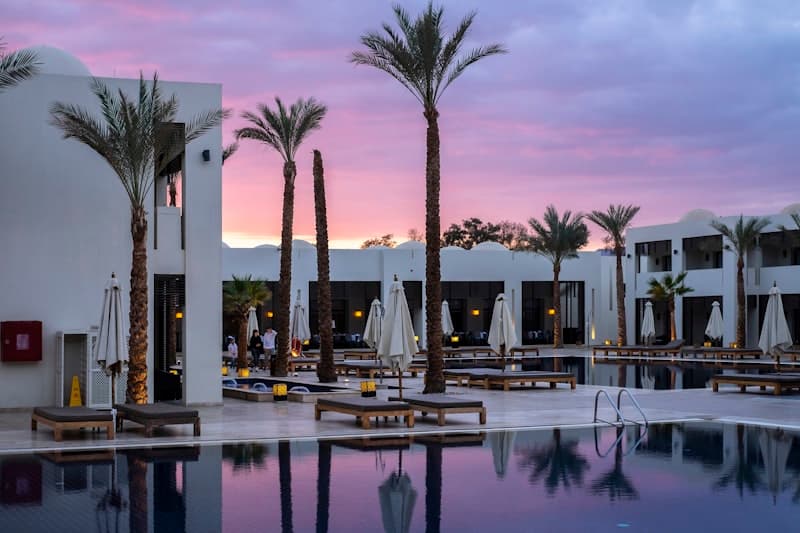
Stay in Bangkok
Stay close to your dental centre for easy follow-ups and see the city around it. Rooftop bars, river cruises, Chatuchak weekend market, and hotels with room service within 15 minutes of your clinic.
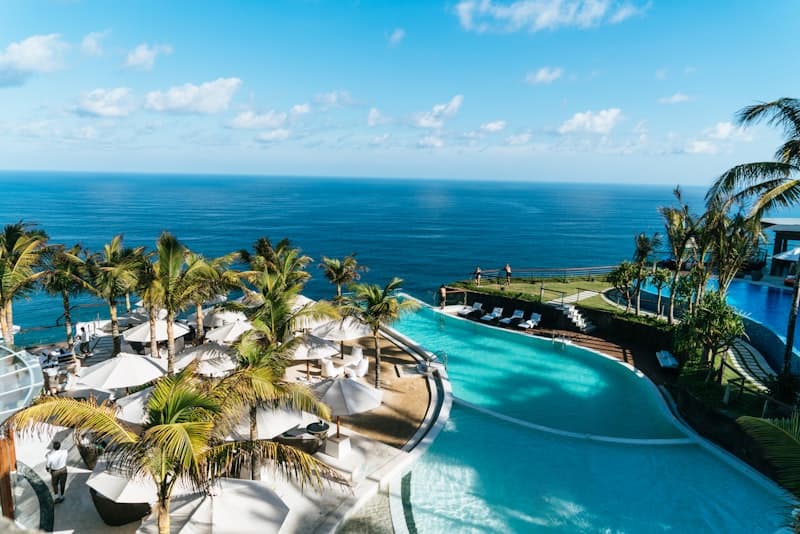
Head to the Beaches
Fly south to Koh Samui, Phuket, or Hua Hin once your dentist clears you. Warm weather, beachside rest, and a slower pace without being far from medical facilities if needed.
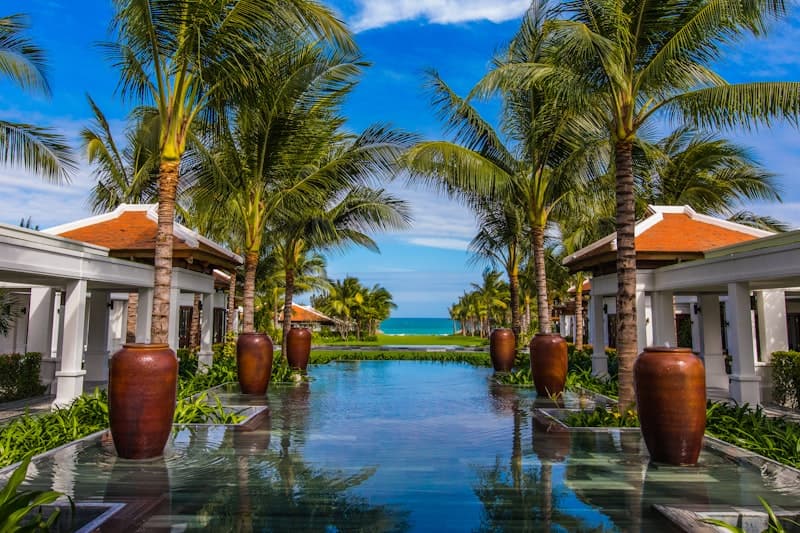
Escape to the Mountains
Head north to Chiang Mai for cooler weather, quieter surroundings, and a fraction of Bangkok prices. Night markets, old-city temples, and an easy recovery pace.
“Most of our dental patients build the trip around the treatment. We book the hotels, domestic flights, and transport so you can focus on the fun half.”
Nat
Co-founder, ClinicPins
Options
Procedure types
Three implant approaches cover the vast majority of international cases. Which one you need is decided by your dentist after the CBCT review.
Single implantMost common
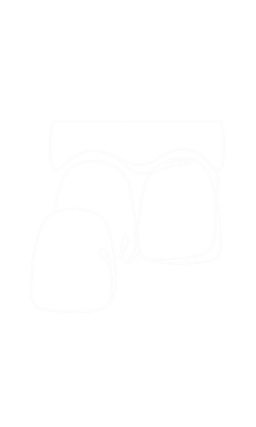
One titanium post replaces one missing tooth. The standard plan is two trips: the implant goes in on the first trip, the crown fits on the second — once the bone has healed around the implant (this is called osseointegration), which takes 3 to 6 months. For some front-tooth cases where the implant sits very firm from day one, the dentist can fit a temporary crown the same day. Good-quality evidence shows the long-term result is the same either way, as long as the case is right for it.
Surgery
45–90 minutes per implant under local anaesthetic. IV sedation (being relaxed through a drip) available on request.
Bone healing
The bone fuses to the titanium post before the final crown goes on — 3 months in the lower jaw, 6 months in the upper jaw.
Crown options
Zirconia (a tooth-coloured ceramic, no metal) is standard at the centres we recommend. Porcelain-fused-to-metal is also available.
Trip pattern
Two trips is the norm. A single trip is possible for some front-tooth cases where a temporary crown can go on the same day.
$1,500–$3,000
Save 50–75% vs home“Single-tooth implants are what most of our patients fly for. Well-defined case, clear savings, two short trips.”
Nat
Co-founder, ClinicPins
All-on-4 / All-on-6
Four (or six) implants hold a full row of fixed replacement teeth across an entire jaw. The two implants at the back are tilted on purpose — this dodges the sinus above and the nerve below, and spreads the load more evenly. Tilting the back implants is why most All-on-4 patients skip the bone grafting that older full-arch methods needed. The biggest long-term study followed these patients for 10 to 18 years and found 93% of the implants held and 99% of the fixed teeth on top were still in use. More on the All-on-4 dental implants in Thailand approach in our guide.
Surgery
2–4 hours under IV sedation. The two back implants are tilted to dodge the sinus and the nerve.
Same-day teeth
A temporary set of teeth goes on the same day in most cases — you fly home with teeth, not without them.
Trip pattern
Trip 1: 7–10 days in Bangkok for the implants and your temporary teeth. Trip 2: 5–7 days, 3 to 6 months later, for your permanent set in zirconia or acrylic.
$9,000–$15,100 per arch
Save 40–60% vs home“All-on-4 is where the savings become life-changing — we have had patients save the cost of the whole trip on one jaw.”
Nisha
Co-founder, ClinicPins
Implant-supported bridge
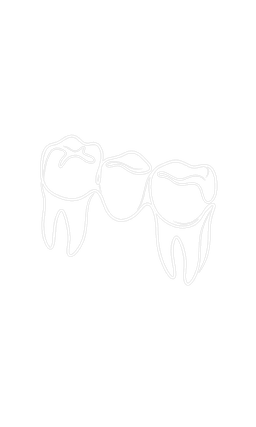
Two implants hold a bridge of 2–4 teeth where several neighbouring teeth are missing. Cheaper than replacing every tooth with its own implant, and the bridge spreads the bite load evenly across the two implants that hold it. A long-term review of implant bridges found 94% were still working 10 years on.
Span
Two implants cover 2–4 missing teeth in a row in one corner of the mouth.
Materials
Zirconia (tooth-coloured ceramic) as standard. Porcelain-fused-to-metal is an option where the look allows.
Trip pattern
Same two-trip plan as a single implant — the bridge goes in, the bone heals around it for 3 to 6 months, then the final bridge is fitted on trip 2.
$3,500–$6,500 for a 3-unit bridge
Save 45–65% vs home“If two or three teeth in a row are gone, a bridge is often the smarter choice. Fewer implants, shorter healing, lower cost.”
Nat
Co-founder, ClinicPins
Personalise
Get your dental implant estimate
Answer 3 quick questions and we'll show you a personalised price range.
What procedure are you considering?
Partner Hospitals
Dental centres for implants in Bangkok
Three centres we've worked with across the tier range. We visit every clinic before we list it. We check credentials, inspect facilities, and speak with past patients.
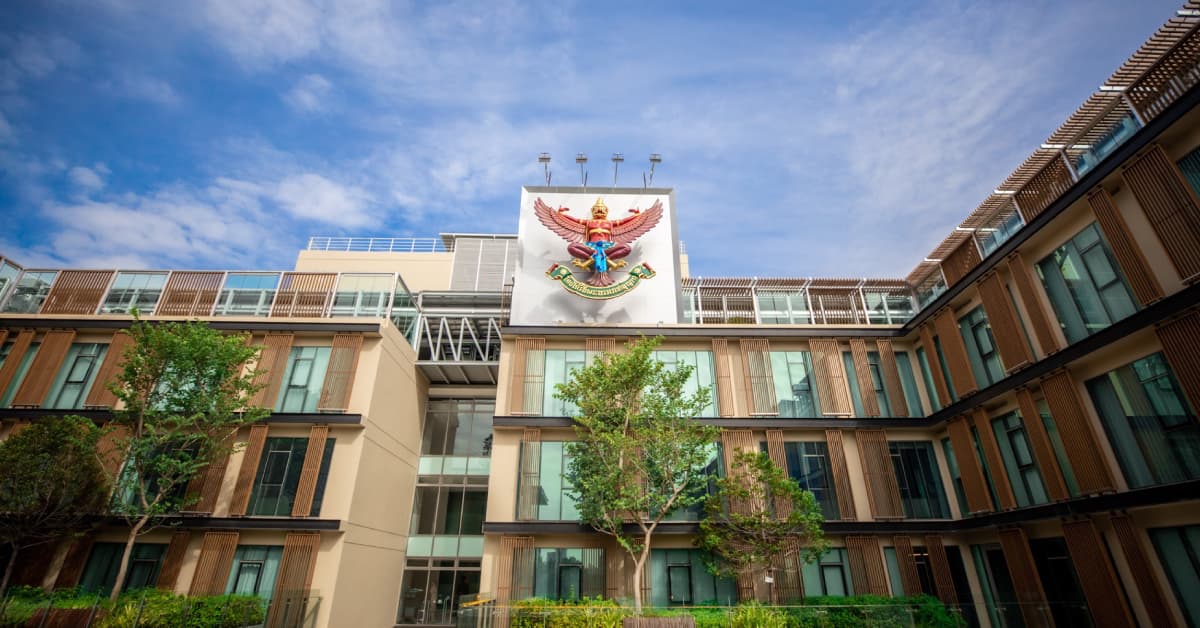
Bangkok International Hospital
JCISoi Soonvijai, Bangkok
JCI-accredited since 2007
Flagship of the Bangkok Hospital Group with multilingual staff and a full surgical program across cosmetic, dental, and general medicine.
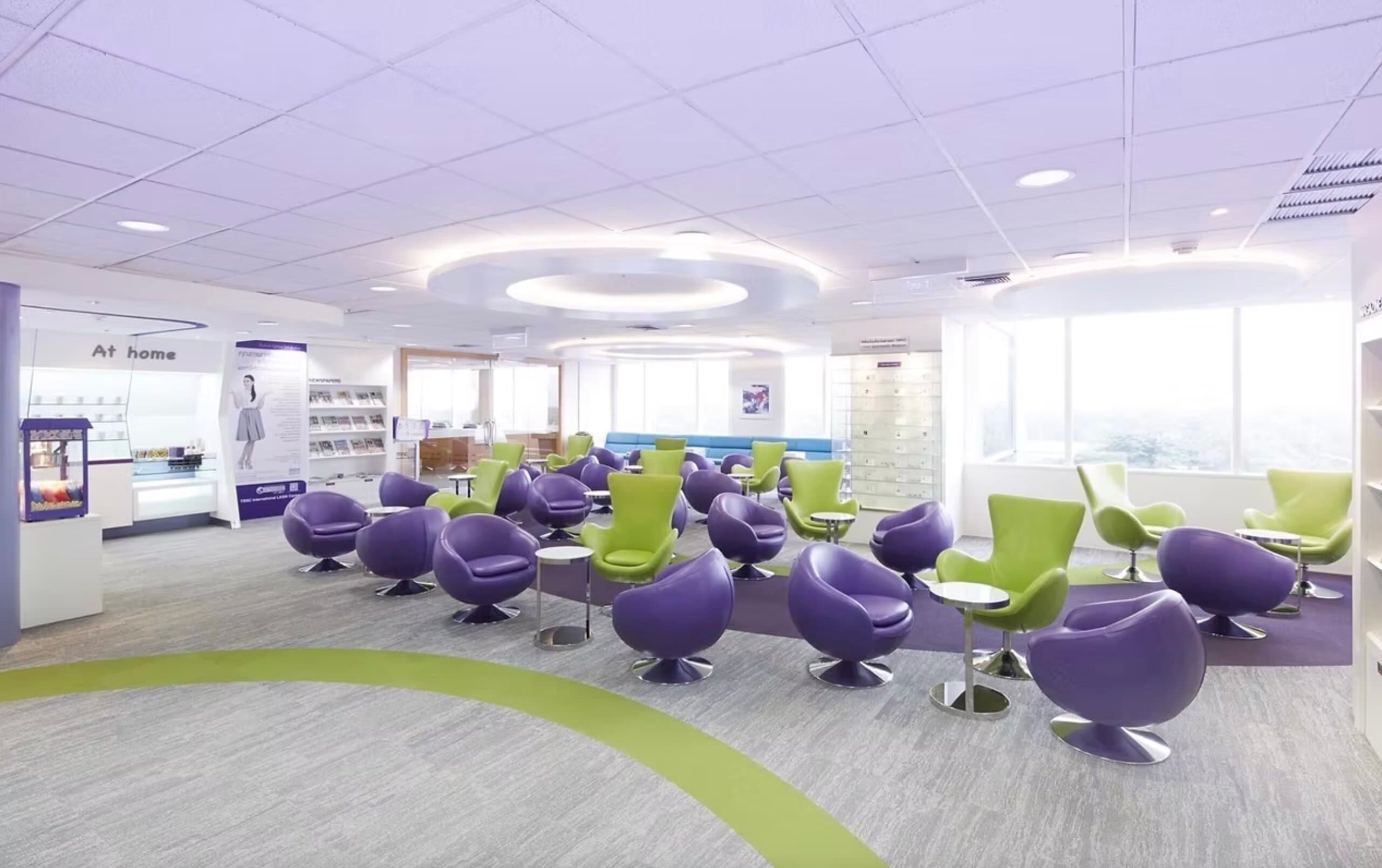
TRSC International LASIK Center
EyeSilom, Bangkok
Dedicated laser vision-correction centre — 102,000+ eyes treated
A standalone eye and vision centre led by medical director Dr. Ekktet Chansue, offering ReLEx SMILE, FemtoLASIK, PRK, and ICL alongside cataract and retinal care.
Not sure which hospital?
Our team can match you with the right hospital based on your goals, body type, and budget.
Talk to UsYour Dentist
How to choose your implant dentist
Before committing to any dentist, ask these questions — most are happy to answer on video before you book:
Every dentist practising in Thailand has to be registered. Ask for the registration number and confirm it's the dentist doing your surgery — not every member of staff in the room is qualified to place implants themselves.
Look for ICOI Fellowship or Mastership, ITI Fellow status, or AO Fellowship. These go beyond the standard Thai licence and show the dentist has put in extra training in implants specifically.
Straumann, Nobel Biocare, Osstem, and Neodent are all cleared by the US FDA. Ask for the specific brand in writing — some cheaper clinics quietly swap to generic systems at the last minute.
Volume is a decent stand-in for experience. For single implants, 50-plus per year is a reasonable baseline. For All-on-4, ask about their patients specifically — how many are still coming back for check-ups five and ten years on.
A 3D CBCT scan (a high-detail jaw scan) is the standard of care before implant surgery. The dentist doing the surgery should be the one reading it, not an unqualified tech.
Ask what the clinic does if an implant fails in the first year, and what the warranty covers. A good implant dentist has a written answer ready — they've thought about it before.
How we verify
We ask for Thai Dental Council registration numbers, copies of international credential certificates, and the implant system being placed. If a centre won't provide this, we don't recommend it.
Patient Stories
What patients say
All reviews are from verified patients who received treatment at the clinic they're reviewing.
“I priced All-on-4 at home at AUD $32,000. ClinicPins booked me into a Bangkok centre for AUD $14,500, hotel included. Two trips, no issues, back to normal food in a month.”
Sarah M.
All-on-4 upper arch, BIDC
“My dentist quoted $5,200 for one molar. I paid $1,900 in Bangkok for the same Straumann fixture. The CBCT review was more thorough than what I had at home.”
Daniel W.
Single implant (molar), Bumrungrad
“Two trips, five months apart, both under a week each time. The Bangkok team sent me home with a recall plan my hygienist in London was happy to follow.”
Emma T.
3-unit implant bridge, Thantakit
“Priced in Toronto at CAD $32,000. Bangkok did it for CAD $13,800 including the hotel. Temporary teeth the same day, permanent ones six months later. Back to steak in a month.”
Michael R.
All-on-4 lower arch, Bumrungrad
All photos shared with explicit written consent. Results vary by individual.
See more treatmentsResearched & written by
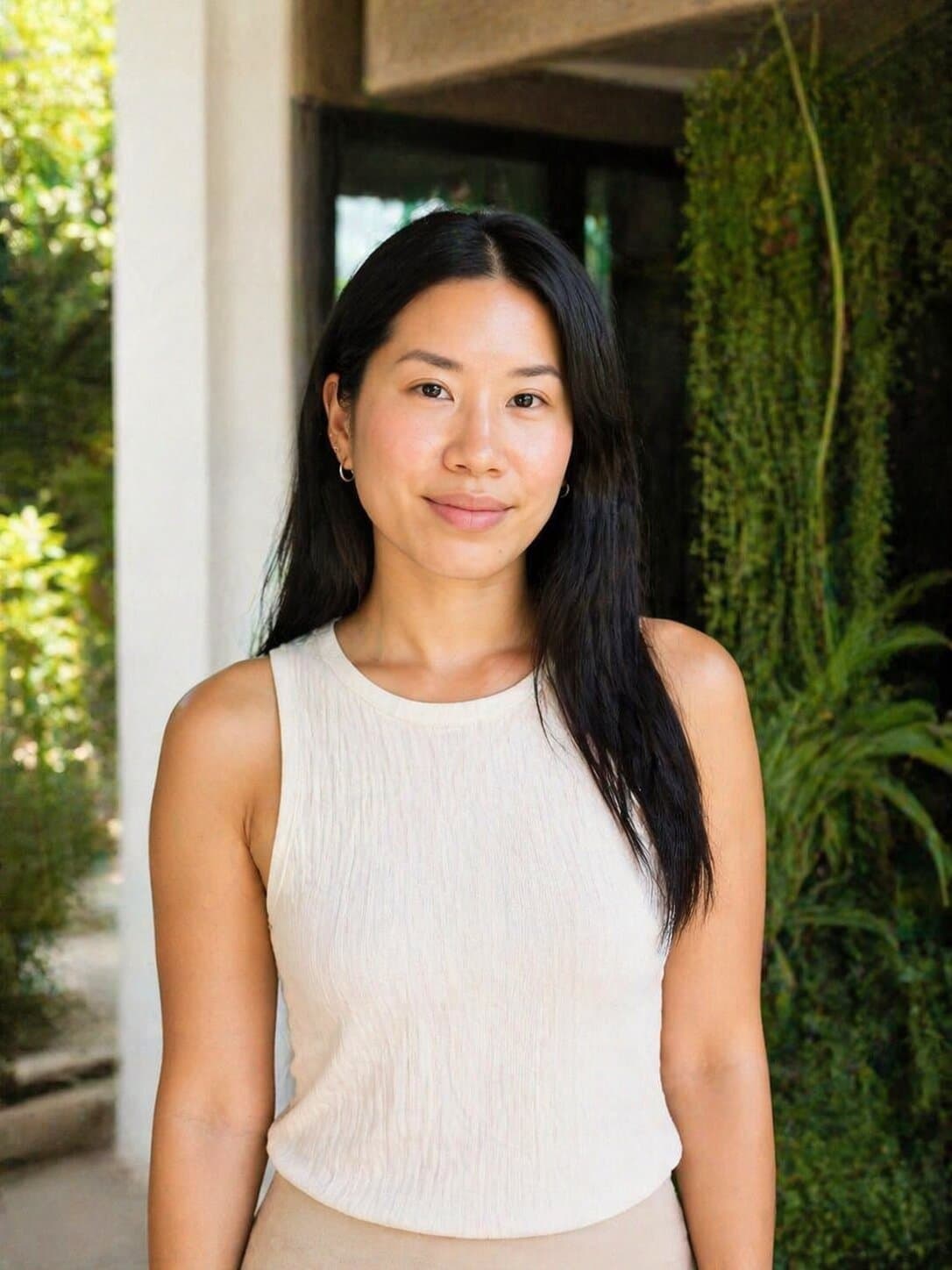
Nat
Co-founder, ClinicPins
Born and raised in Bangkok. Educated in the US. Personally visited every clinic we recommend.
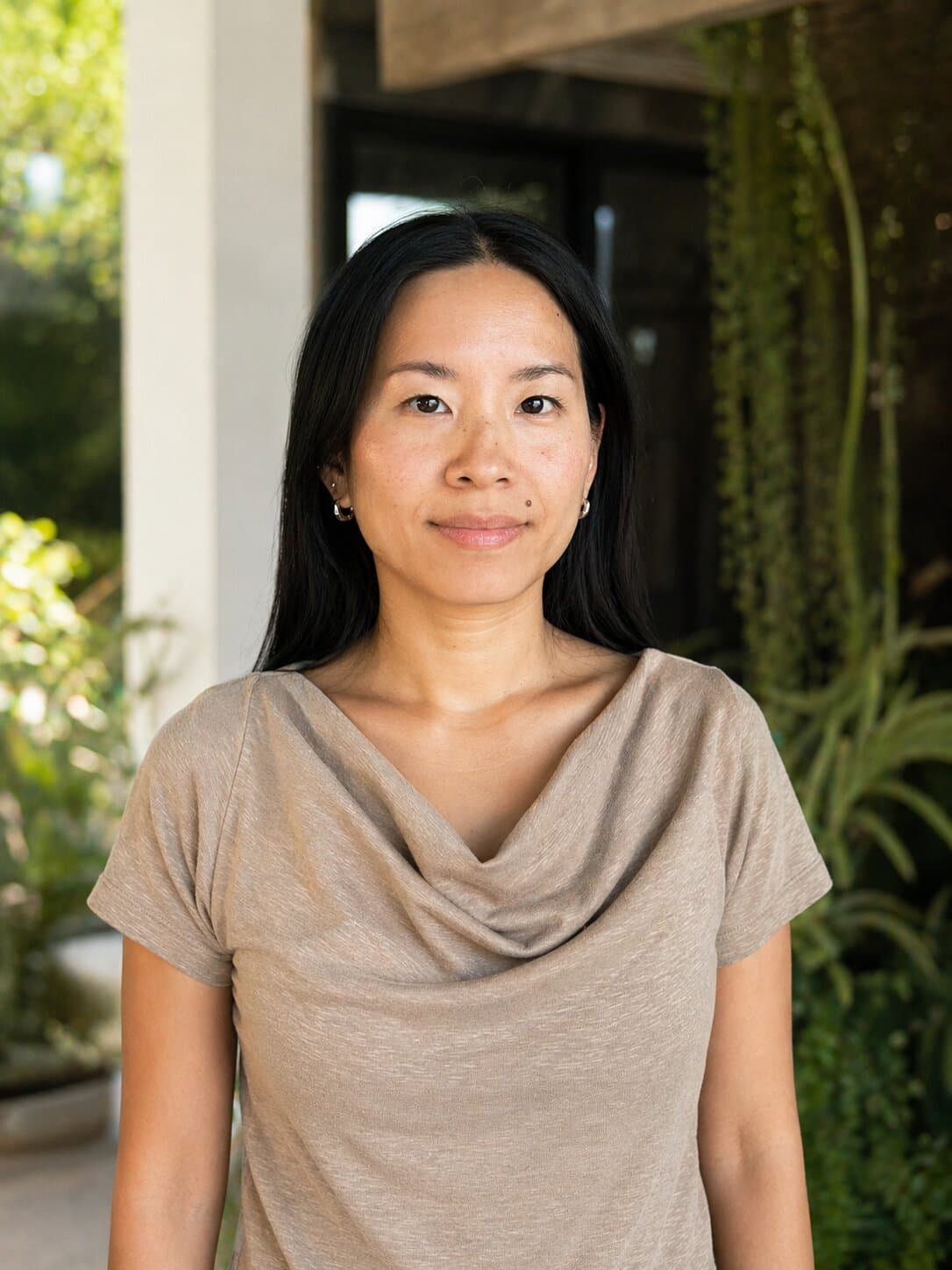
Nisha
Co-founder, ClinicPins
Fluent in Thai and English. Bridges the gap between international patients and Thai clinics.
We are concierge coordinators, not medical professionals. This content is for informational purposes only and does not constitute medical advice — always consult a board-certified surgeon for personalised recommendations. Meet the team
FAQ
Frequently asked questions
Single implants at mid-range Bangkok specialty centres run $1,500–$3,000 per tooth, inclusive of the fixture, abutment, crown, and 3D CBCT imaging. Premium JCI-accredited centres reach about $3,000–$4,500. Full mouth dental implants in Thailand — All-on-4 or All-on-6 per arch — run $9,000–$15,100 per arch at the same tier. These are 2026 prices drawn from Bangkok Dental Center, Thantakit, and Dental Hospital Thailand.
Plan 5–10 days for the placement trip, and 5–7 days for the crown trip three to six months later. Single implants without grafting can clear for flights at day 3; All-on-4 and sinus lift cases wait 10–14 days. Osseointegration happens at home, so the time abroad is shorter than most patients expect.
For a single implant without grafting, most clinicians clear you for a long-haul flight from around day 3. For All-on-4 or any sinus-lift case, the conservative window is 10–14 days — cabin pressure matters when the sinus has been elevated. Your dentist signs off individually, and we'll time your departure around that.
The centres we work with place US FDA 510(k)-cleared systems — most commonly Straumann (Switzerland), Nobel Biocare (Sweden/US), Osstem (Korea), and Neodent. These are the same systems used at major dental practices in the US, UK, and Australia. Ask for the specific fixture before surgery and confirm it in writing.
Yes. Every centre we recommend runs a video consultation first — usually 30 minutes on WhatsApp or Zoom. Send your recent x-rays or a panoramic; for complex cases you may need to do a local CBCT at home and share the DICOM file. The full treatment plan is confirmed on arrival after an in-person CBCT.
Early infections happen in around 2.80% of cases and most clear up with antibiotic pills your GP can prescribe. We send you home with a written post-op plan your home dentist or GP can follow, we stay on WhatsApp, and we loop in the Bangkok centre if anything needs their input. For gum inflammation around the implant (peri-implantitis) further down the line, your home dentist picks this up at regular check-ups.
Look for three layers of verification. First, a Thai Dental Council registration number — the statutory licence. Second, an international implant credential — ICOI Fellowship or Mastership, ITI Fellow status, or AO Fellowship. Third, the implant system being placed: Straumann, Nobel Biocare, Osstem, and Neodent are all US FDA 510(k)-cleared. If a centre will not put those three things in writing before surgery, keep looking.
You can, but most of our patients book Bangkok because the JCI-accredited dental centres and implant-specialist volume are concentrated there. Phuket has good clinics too, and is a popular choice when patients want to combine treatment with a beach stay. Either way, we recommend the placement trip in Bangkok and the second trip (or the whole recovery) wherever you'd like.
US, UK, Australian, Canadian, NZ, and Singapore passports are entitled to 60 days visa-exempt entry under Thailand's current exemption schedule, per the Thai Ministry of Foreign Affairs. That covers both trips comfortably for almost every patient. We confirm the current rule for your passport in your trip plan.
Still have questions? Talk to our concierge team
Ready to start planning?
Tell us what you're considering — even if you're just exploring. No commitment, no pressure.
ClinicPins receives referral fees from partner hospitals. This does not affect our recommendations or your price. Read our editorial policy.
Related