Dental Crowns
in Thailand.
Dental crowns in Thailand are a two-visit plan at most Bangkok dental centres — tooth preparation and a temporary on visit one, then the final zirconia, e.max, or PFM crown seated seven to fourteen days later. Our concierge team books the dentist, the clinic, and a hotel fifteen minutes from the chair. We've personally visited every clinic we recommend.
Last updated September 2026

“Four zirconia crowns for the price of one at home.”
Andrew P. · Melbourne, AU
Dental crowns in Thailand — about a third of US retail.
Single zirconia or e.max crowns at mid-range Bangkok dental centres run US $300–$760 per unit, depending on the material. That's roughly a third of the US ($800–$1,800), half the UK private-market price (£500–£1,200), around a third of Australia (AUD $1,200–$2,500), and well under Canada (CAD $900–$2,500) — for the same FDA-cleared zirconia and lithium-disilicate materials your dentist at home would mill from.
🇹🇭Thailand
$300–$760
per crown, all-inclusive (material-dependent)
- Local anaesthesia and tooth preparation
- Conventional PVS impression or digital intra-oral scan
- Temporary crown cemented after prep
- Lab fabrication in FDA-cleared zirconia or e.max
- Final cementation or adhesive bonding
- Post-cementation review and bite adjustment
Other Countries
- Core build-up or root canal (if the tooth is non-vital) — quoted separately
- Temporary crown replacements if the lab wait runs long
- No concierge, no trip coordination, no hotel booking
Are dental crowns in Thailand safe?
Yes — when you choose an accredited dental centre and a dentist with Dental Council of Thailand registration plus formal prosthodontics training.
The materials are identical to what your dentist at home would use, the CAD/CAM milling systems are the same FDA-cleared workflows, and the lab steps are standardised across the international end of the Thai dental market. Thailand hosts more JCI-accredited healthcare organisations than any country in Southeast Asia, and every dentist practising in the country is licensed under the Dental Council of Thailand.
For crowns specifically, the filter is more specific than accreditation alone: is the dentist doing your preparation work a prosthodontist, and is the crown material a named, FDA-cleared brand. The clinics we list tick both boxes.
Nat
Co-founder, ClinicPins
1,200+
JCI patient-safety standards are re-audited every three years at every accredited hospital in Thailand — the same body behind top US hospitals
96–97%
10-year e.max crown survival in a large long-term cohort study — the same result your dentist at home would quote from the same material
2002
Bumrungrad earned JCI accreditation — the first hospital in Asia, now on its 7th re-accreditation cycle; its dental centre operates inside that accredited environment
Dentist credentials that matter for crowns
Dental Council of Thailand registration
Every dentist practising in Thailand needs an active licence from the Thai Dental Council, issued under the Dental Profession Act B.E. 2537 (1994). Prosthodontics — the specialty that covers crown and bridge work — is one of the specialties the TDC oversees. This is the basic legal requirement. We verify it before recommending any clinic.
Prosthodontics specialty training
Senior crown dentists usually hold one or more formal prosthodontic credentials on top of the Thai licence: a Thai Royal College of Dental Surgeons specialty diploma, a Royal College of Surgeons of Edinburgh MFDS or MPros membership, or American Board of Prosthodontics Diplomate status. For aesthetic anterior crowns, AACD accreditation is the cosmetic-dentistry equivalent. We ask which credentials the dentist actually holds before listing a clinic.
FDA-cleared crown materials
The dental centres we recommend mill crowns from materials cleared by the US FDA — zirconia discs (Katana, Lava, Prettau), lithium disilicate ingots (IPS e.max), and cast gold alloys — all of which hold 510(k) clearance as Class II dental devices. The FDA clears the material, not the overseas clinic. The quality of the crown comes down to the preparation, the fit, and the bonding protocol — which is your dentist's work.
What the research says
Modern crown materials sit in roughly the same survival range, within a few percentage points of each other. The biggest single-crown systematic review pooled 67 studies and found that porcelain-fused-to-metal crowns hold at 94% across five years, glass-ceramic crowns like e.max hold at 96%, and zirconia-ceramic crowns hold at 92%. Ten-year data from a large e.max cohort shows the same ceramic class still running at 96–97% at a decade. Put simply: the material you pick matters less than the prep, the fit, and who is doing the work.
For zirconia specifically, a 2023 meta-analysis of randomised trials showed monolithic zirconia essentially eliminates the chipping problem that limited older layered-zirconia crowns — the veneering porcelain was always the weak link. For gold, the longevity benchmark is still the benchmark: a 50-year practice follow-up reported roughly 100% posterior full-gold survival at half a century. Most patients pick zirconia or e.max today for the aesthetics, not because gold stopped working.
Risks to be aware of
Most crown failures happen at the margin, not in the crown itself. Around 4–5 in 100 cemented crowns come loose (decementation) within five years — almost always reversible, the crown is re-cemented. Of more concern: roughly 4–8 in 100 teeth crowned as vital will need a root canal within ten years, because crown preparation can stress the nerve inside the tooth. The risk is highest in teeth with multiple previous fillings. Post-preparation sensitivity (cold or pressure) affects about 1 in 8 patients in the first few weeks and usually settles. The biggest long-term avoidable problem is gingival recession at subgingival crown margins — margins placed above the gumline have 2–3× less recession risk than margins tucked under.
How to minimise risk:
- Pick a JCI-accredited centre or one with ISO 9001:2015 certification — the same quality standards that certify top US hospitals. We list two on this page.
- Check the dentist holds a prosthodontics credential on top of the Dental Council of Thailand licence — Thai Royal College specialty diploma, RCS Edinburgh MFDS/MPros, or American Board of Prosthodontics Diplomate.
- Ask which crown material is going in, and confirm it is FDA-cleared. IPS e.max (Ivoclar Vivadent), Katana / Lava / Prettau zirconia, and high-gold alloys all are.
- Ask for a supragingival (above-the-gum) margin where aesthetics allow. Recession risk drops 2–3× compared to margins tucked under the gum.
- If the tooth has had two or more previous fillings or deep decay, ask about the realistic chance of needing a root canal afterwards and price that contingency into the trip.
- For anterior crowns, whiten first if your natural teeth would look dull next to the final crown. Porcelain will not bleach later.
Pricing
How much do dental crowns in Thailand cost by country?
Select your home country
You could save $500–$1,100 per crown

Price ranges by clinic tier
Prices based on our 2026 Bangkok clinic research, cross-referenced with published Thai dental fee schedules (Bangkok International Dental Center, Thantakit, Dental Hospital Thailand). Ranges are per single crown; multi-unit bridges and full-mouth cases quote separately.
Budget Clinics
$220–$400 per crown
Save 70–85% vs 🇺🇸🇬🇧🇦🇺🇨🇦Small standalone clinic using generic-brand PFM or basic zirconia, conventional cementation. Works for posterior single crowns if the dentist is TDC-licensed and the pre-treatment exam is thorough.
- PFM or generic zirconia single crown
- Conventional PVS impression
- Standard glass-ionomer or zinc-oxide cementation
- Post-prep review appointment
Mid-Range Specialty
$400–$760 per crown
Save 55–75% vs 🇺🇸🇬🇧🇦🇺🇨🇦Prosthodontics-focused dental centre running a full CAD/CAM workflow. IPS e.max or premium monolithic zirconia (Katana / Lava), digital intra-oral scan, adhesive bonding for ceramic crowns.
- IPS e.max or monolithic zirconia (premium brand)
- Digital intra-oral scan (Trios or iTero)
- Adhesive bonding for all-ceramic crowns
- Temporary crown plus lab-fabricated final
- Post-cementation review and bite check
Premium International
$760–$1,100 per crown
Save 35–60% vs 🇺🇸🇬🇧🇦🇺🇨🇦JCI-accredited dental centre or hospital-affiliated prosthodontics department. Full digital workflow, specialist prosthodontist on every case, option of same-day CEREC or two-visit conventional.
- JCI-accredited or hospital-affiliated clinic
- Specialist prosthodontist (ABP, MPros, or Thai Royal College equivalent)
- Full digital workflow (scan, CAD design, in-house mill)
- CEREC same-day option available
- Post-trip remote review
What's included — and what isn't
Typically included
- Initial consultation, X-ray, and treatment plan
- Local anaesthesia and tooth preparation
- Conventional PVS impression or digital intra-oral scan
- Temporary crown chairside fabrication and cementation
- Lab fabrication of the final crown (zirconia, e.max, PFM, or gold)
- Try-in, occlusal adjustment, and bite check
- Final cementation or adhesive bonding
- Post-cementation review appointment in Bangkok
Typically not included
- Root canal (if the tooth is non-vital or becomes non-vital)฿8,000–฿20,000
- Core build-up or post-and-core (if tooth structure is insufficient)฿2,500–฿8,000
- Periodontal cleaning before crown prep฿2,000–฿5,000
- Tooth extraction (per tooth, if required)฿1,500–฿4,500
- Whitening before shade-match (anterior cases)฿6,000–฿15,000
- Flights, hotel, transfersvaries by origin
Your Trip
What the trip for dental crowns in Thailand looks like
Most crowns take two visits spaced seven to fourteen days apart. Same-day CEREC is available at premium centres if you want everything in a single trip.
Phase 1
Before you arrive
3–6 weeks out
- Send recent x-rays and a short dental history to our team on WhatsApp.
- Virtual consultation with your chosen dentist to confirm the crown material and trip length.
- Decide: two-visit conventional (spread across two shorter trips or one longer stay) or single-visit CEREC if you want one trip only.
- We book both appointments, the lab-wait hotel, and airport transfers.
- If an anterior crown is in scope, plan whitening one to two weeks before prep so the final shade matches the brightest stable baseline.
“We confirm the material and workflow before you fly. Whether you want one trip or two, the decision happens in the consultation, not at the chair on day one.”
Nisha
Co-founder, ClinicPins
Phase 2
Preparation visit
Days 1–3 on the ground
- Check-in at the dental centre, x-ray review, shade-matching with digital photography.
- Local anaesthesia, tooth preparation under rubber dam, digital intra-oral scan or PVS impression.
- Temporary crown fabricated chairside and cemented with temporary cement.
- Written post-op instructions (soft-food diet, avoid sticky foods on the prepped tooth).
- CEREC alternative: for single-visit cases, the entire prep-scan-mill-bond sequence runs in one 2–3 hour appointment, replacing both phases 2 and 3 of this timeline.
“Preparation day is the long day — 90 minutes or so per crown. We're there for check-in, and we bring soft food to your hotel that evening. The temporary needs careful eating for the next ten days, not anaesthesia-day painkillers.”
Nat
Co-founder, ClinicPins
Phase 3
Lab wait and final cementation
Days 7–17
Days 3–6 (lab wait, option A)
Extend the trip in Thailand — most patients use the lab-fabrication window to head south to the beaches or north to Chiang Mai. Our team moves your hotel and domestic flights around the appointment.
Days 3–13 (lab wait, option B)
Fly home and return for the cementation visit 7–14 days later. This splits the total stay into two shorter trips of 3–5 days each. We hold your return appointment and hotel.
Final cementation visit, 2–3 days
Temporary removed, final crown tried in, marginal fit and occlusion verified, adhesive bonding (e.max, zirconia) or conventional cementation (PFM, gold).
24-hour post-cementation review
Bite check, margin re-verification, any occlusal adjustments done chairside. This is the buffer that separates a crown that settles in and a crown that keeps throwing hot-spots on bite for a month.
“The lab-wait window is where the decision gets personal. One longer trip with a Chiang Mai extension, or two shorter trips with the time at home? We plan both options before you book.”
Nisha
Co-founder, ClinicPins
That’s the plan. Yours gets built around your dates.
Tell us roughly when you’re free and we’ll come back with a schedule that fits, including recovery time before you fly.
Recovery
You're here anyway. Make a trip of it.
Whether you split the treatment into two trips or stay through the lab wait, the non-dental time is yours. Our concierge team can plan it around the two appointments.
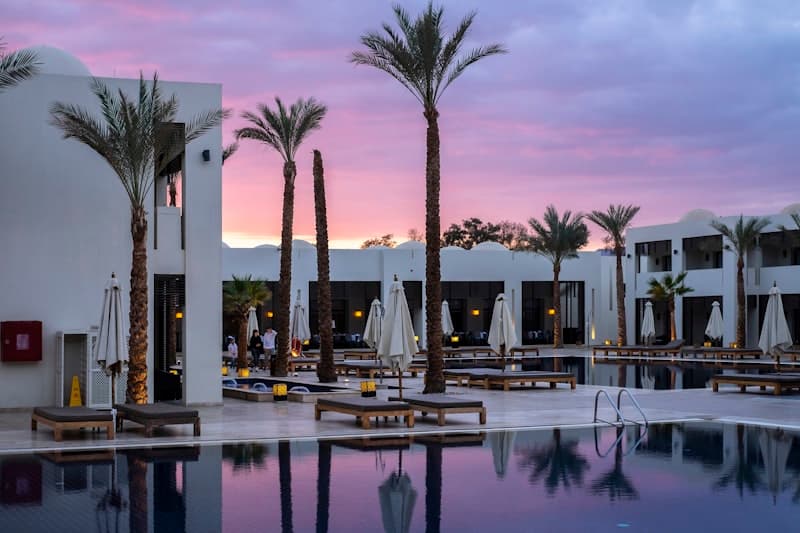
Stay in Bangkok
Sukhumvit or Silom keeps you fifteen minutes from the clinic. Rooftop pools, the best street food in Southeast Asia, 24-hour pharmacy access, and the BTS line to everything. Easiest logistics for two-visit patients on a tighter schedule.
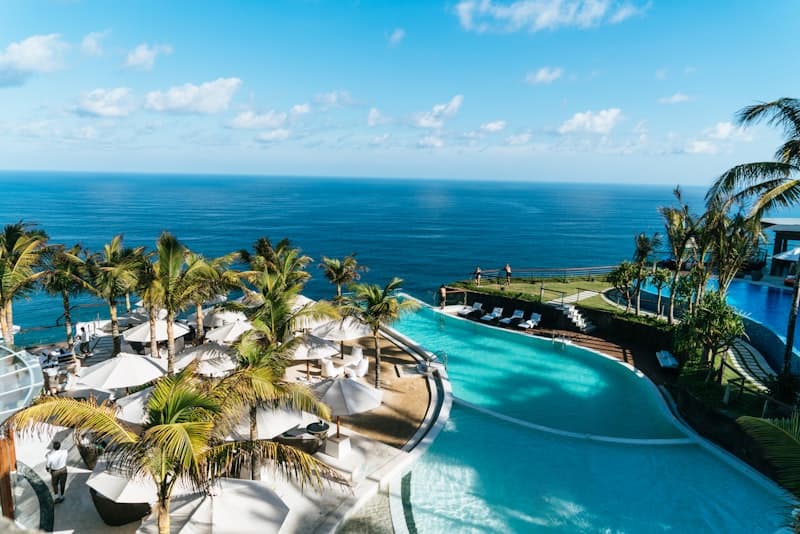
Head to the Beaches
Phuket, Krabi, or Koh Samui a one-hour flight south during the 7–14 day lab wait. Stick to soft food on the prepped side while the temporary is in; iced coffee and curries go back on the menu once the final crown is cemented.
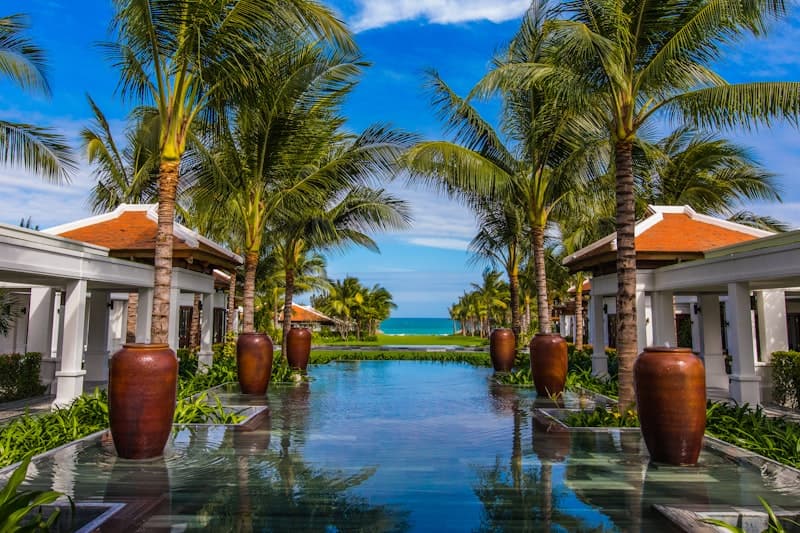
Escape to the Mountains
Chiang Mai or Pai in the north. Cooler climate, slower pace, and a fraction of Bangkok prices — a good fit for anyone with a temporary crown who wants a calmer week while the lab fabricates the final.
“Most patients either stay through the lab wait and fold a holiday into the middle, or split the work across two shorter trips. We build the schedule around the two appointments that anchor the case to Bangkok.”
Nat
Co-founder, ClinicPins
Options
Crown materials and approaches
Five options cover almost every international case. Which one you need is decided by where the tooth is, how much force it takes, and how much it needs to match a neighbouring natural tooth.
Monolithic zirconiaMost common
A full-contour zirconia crown milled from a single solid block, with no veneering porcelain on top. Newer translucent generations of zirconia are aesthetic enough for molars and most premolars. A 2023 meta-analysis of randomised trials found monolithic zirconia essentially eliminates the chipping problem that limited older layered zirconia, while holding 92% 5-year survival on natural teeth and 97.6% on implants. The go-to choice for back teeth, bruxers, and anyone who has fractured a previous crown.
Best for
Posterior molars, bruxers, implant restorations (see dental implants in Thailand), budget-conscious anterior cases with modern translucent grades.
Tooth reduction
0.5–1.0 mm occlusal — kinder to natural tooth structure than e.max or PFM.
Aesthetics
Good to excellent on posterior teeth. Newer high-translucency grades acceptable on most anterior cases.
Survival
92% at 5 years on natural teeth, 97.6% at 5 years on implants.
$400–$760 per crown
Save 60–75% vs home“Monolithic zirconia is the dental-tourism default for back teeth. Strong, takes less tooth structure, and the chipping problem older zirconia had is essentially gone with today's generations.”
Nat
Co-founder, ClinicPins
Lithium disilicate (IPS e.max)Best anterior aesthetics
A glass-ceramic crown pressed or milled from IPS e.max material — the gold standard for anterior aesthetics. Adhesively bonded rather than conventionally cemented, which gives higher retention and lets the dentist use thinner margins. A 10-year study on 1,960 e.max crowns showed 96–97% survival, with monolithic cases running an essentially flat failure curve. Not recommended for multi-unit posterior bridges.
Best for
Anterior crowns, premolars, single-tooth aesthetic cases in non-bruxers. If the underlying tooth is structurally sound and only needs cosmetic change, veneers in Thailand require far less tooth reduction.
Tooth reduction
1.0–1.5 mm — more than zirconia, similar to PFM.
Aesthetics
Excellent — the most natural-looking single-crown option on the market.
Survival
96.6% at 5 years, 96–97% at 10 years — backed by two large long-term studies.
$550–$760 per crown
Save 60–75% vs home“For a front-tooth crown that has to match the rest of your smile, e.max is what you want. It picks up the light like a natural tooth and the dentist can bond it adhesively, which matters when you only have a thin margin of natural tooth left.”
Nisha
Co-founder, ClinicPins
Porcelain-fused-to-metal (PFM)
The traditional crown workhorse — a cast metal framework with feldspathic porcelain layered on top. Still widely used because the long-term data is unmatched: a 2013 study following 2,340 high-gold PFM crowns showed 97% survival at 10 years and 85% at 25 years. The trade-off is aesthetic — the metal margin can show as a dark line at the gumline as gums recede over time.
Best for
Posterior crowns on tight budgets, multi-unit bridges, patients who prioritise long-term track record.
Tooth reduction
1.5–2.0 mm — the most reduction of any crown type.
Aesthetics
Good at day one. Dark metal line can appear at the gumline long-term.
Survival
94% at 5 years, 97% at 10 years, 85% at 25 years in specialist long-term data.
$300–$500 per crown
Save 70–80% vs home“PFM still has a place — a molar crown for a patient with a tight budget and no aesthetic concern, or a long-span bridge where all-ceramic is not the right call. The 25-year data is the strongest of any crown type.”
Nat
Co-founder, ClinicPins
Full-gold / full-metal
High-noble gold alloy cast conventionally, no porcelain. The quiet durability choice your dentist at home would pick for their own back molars: a 50-year practice follow-up reported roughly 100% posterior full-gold survival at half a century. Minimal tooth reduction, kind to the opposing tooth, essentially no fracture risk. Most patients pick zirconia or e.max today for aesthetics alone.
Best for
Back molars in patients who accept metal aesthetics and want maximum durability.
Tooth reduction
~0.5 mm occlusal — the lightest prep of any crown.
Aesthetics
Visible gold colour. Not for anterior teeth.
Survival
~100% at 50 years in the longest private-practice follow-up in the dental literature.
$400–$700 per crown (plus gold cost)
Save 55–70% vs home“Gold is the forgotten answer. If you're crowning a molar no one can see when you talk, and you want the crown that will outlast the rest of your dental work, gold is still the benchmark.”
Nisha
Co-founder, ClinicPins
Single-visit CERECOne-trip option
Chairside CAD/CAM — the dentist scans the prepped tooth, designs the crown on-screen, mills it from a lithium-disilicate or zirconia block in-office, and bonds it in the same 2–3 hour appointment. The trade-off is an older meta-analysis suggesting slightly lower long-term survival than a crown made in a dental lab, but long-term CEREC data shows 88.7% survival at up to 17 years — the gap has largely closed. Worth asking about if a single trip is non-negotiable.
Best for
Single-trip patients, single-tooth cases, patients with limited time in Thailand.
Trip fit
3–4 days total on the ground — consultation, 2–3 hour CEREC appointment, post-cementation review, buffer.
Material
Usually IPS e.max CAD or chairside zirconia. Same FDA-cleared systems as conventional crowns.
Trade-off
Requires a clinic with a CEREC or PrimeMill system — not every Bangkok centre offers this. Multi-unit cases still need the conventional two-visit workflow.
$550–$900 per crown
Save 45–70% vs home“CEREC is how we solve the one-trip constraint. If you can only fly once, we book you into a centre with chairside milling and plan around that single appointment.”
Nat
Co-founder, ClinicPins
Partner Hospitals
Dental crown centres in Bangkok
Three centres across the tier range. Each offers zirconia, e.max, and PFM single crowns, uses FDA-cleared materials, and publishes a transparent per-unit price list we verify before listing.
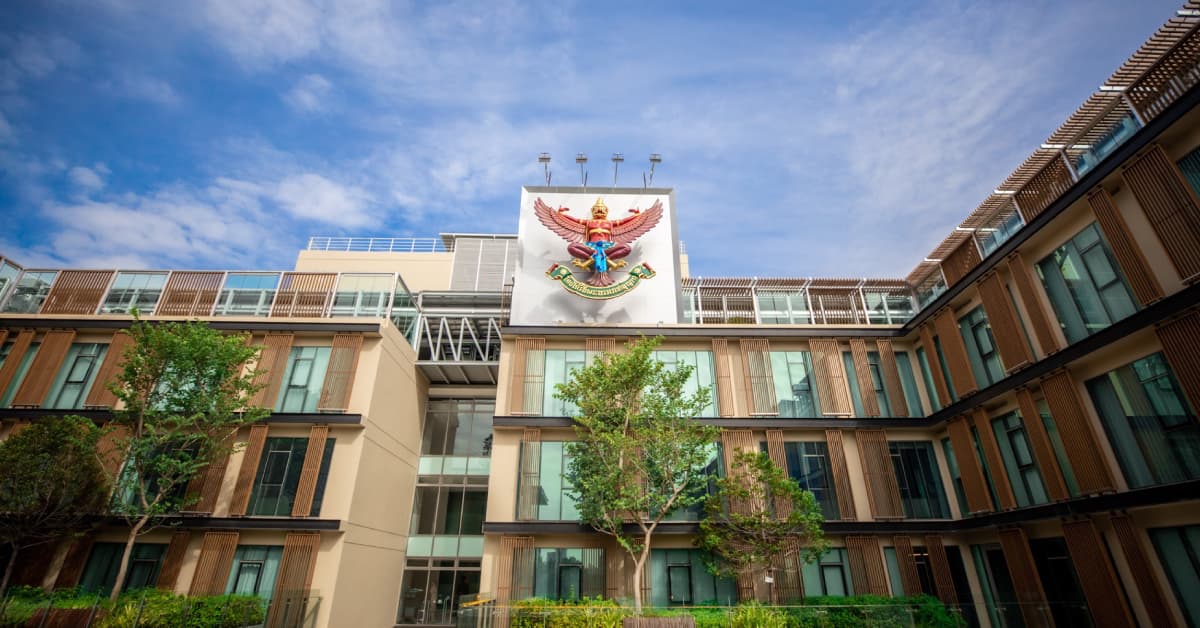
Bangkok International Hospital
JCISoi Soonvijai, Bangkok
JCI-accredited since 2007
Flagship of the Bangkok Hospital Group with multilingual staff and a full surgical program across cosmetic, dental, and general medicine.
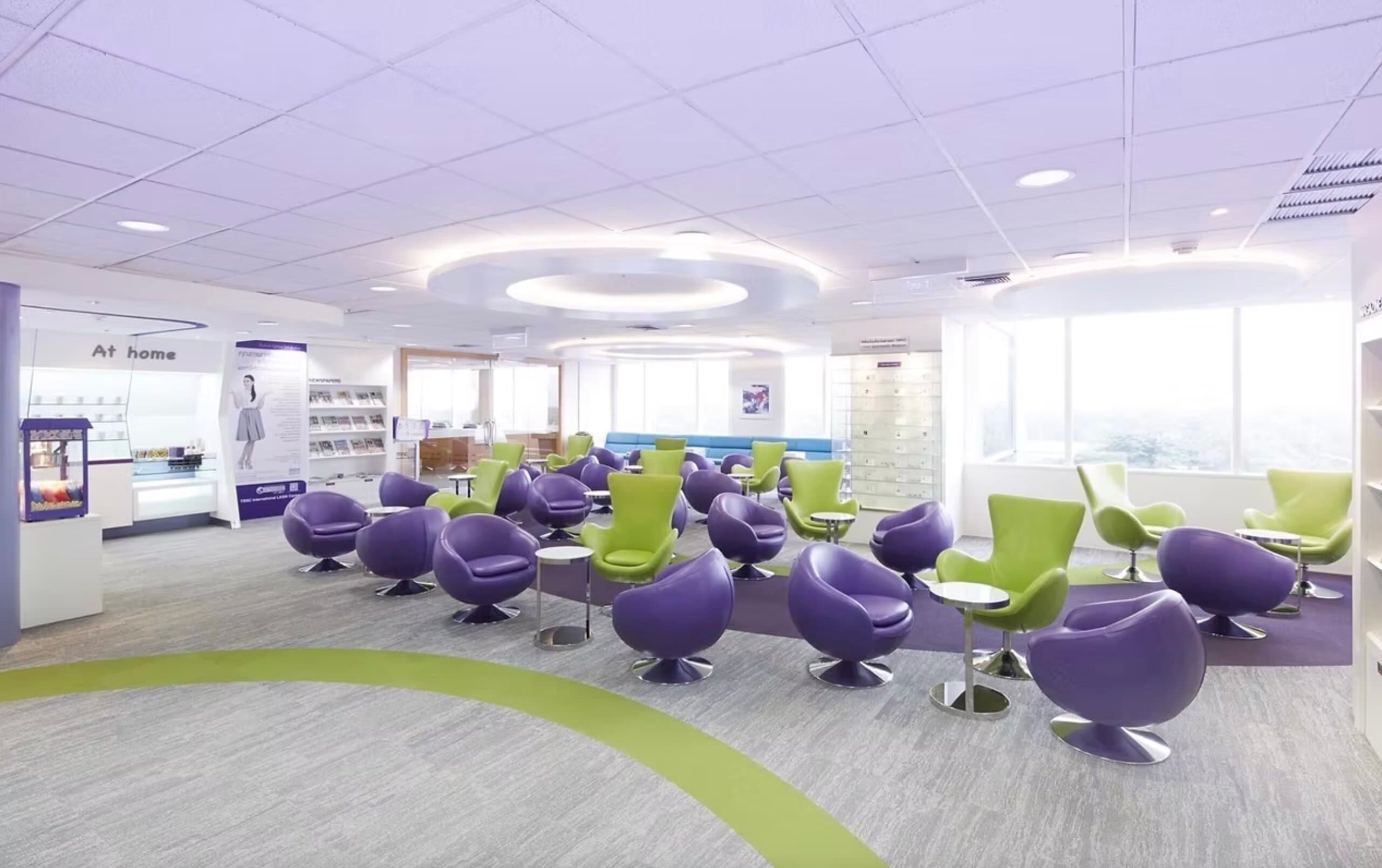
TRSC International LASIK Center
EyeSilom, Bangkok
Dedicated laser vision-correction centre — 102,000+ eyes treated
A standalone eye and vision centre led by medical director Dr. Ekktet Chansue, offering ReLEx SMILE, FemtoLASIK, PRK, and ICL alongside cataract and retinal care.
Not sure which hospital?
Our team can match you with the right hospital based on your goals, body type, and budget.
Talk to UsYour Dentist
How to choose your crown dentist
Crown prep is precise work — margin fit and occlusal load are what separate a crown that settles in from one that decements at month four or triggers a root canal at year three. Six questions filter for the dentists who get this right.
Every dentist practising in Thailand has to hold an active TDC licence. Ask for the registration number and verify it before booking. Also ask whether the dentist doing your crown prep is the dentist listed on the clinic's website — not everyone on staff is a prosthodontist.
Look for a Thai Royal College of Dental Surgeons specialty diploma in prosthodontics, a Royal College of Surgeons of Edinburgh MFDS or MPros membership, or an American Board of Prosthodontics Diplomate. For anterior aesthetic cases, AACD accreditation is a strong signal. These are the credentials that separate a general dentist from a crown specialist.
A good answer names a specific material — IPS e.max, Katana zirconia, Lava, Prettau, or high-gold alloy — and explains the trade-off in your case (posterior strength vs anterior aesthetics, tooth reduction, bruxism, opposing tooth condition). A clinic that can't name the brand is milling from unlabelled generic material.
Margins placed above the gumline have 2–3× less recession and bleeding risk than margins tucked under. Where aesthetics allow (most posterior crowns, some anterior), the answer should be supragingival. If the answer is 'subgingival everywhere', the dentist is prioritising cosmetic hiding over long-term gum health.
For single crowns, 150+ per year is a reasonable baseline for a specialist crown dentist. For all-ceramic anterior cases with adhesive bonding, ask specifically — bonding is a different skill from conventional cementation, and not every crown dentist does both well.
A clinic with a written warranty for decementation, fracture, or fit issues in the first 12–24 months has thought this through. Ask for it in writing before you fly. Good centres re-cement or re-fabricate at no material cost if the failure is clearly theirs; you pay for time-on-chair.
How we verify
We ask for Dental Council of Thailand registration numbers, copies of prosthodontic specialty certificates, the specific crown material brand going in, and a written crown warranty. If a clinic won't share these before you book, we don't recommend it.
Patient Stories
What patients say
All reviews are from verified patients who received treatment at the clinic they're reviewing. Placeholder cohort until our 2026 patient-photos programme ships.
“Quoted AUD $8,500 at home for four back-molar crowns. Thantakit did all four for AUD $2,100 total across two trips, with a 2-year warranty on the material. Occlusion was dialled in on day one of the second trip — no bite hot-spots, no decementations.”
Andrew P.
Four zirconia crowns, Thantakit
“I priced two front crowns at $3,200 in New York. BIDC did them for $1,450 total — digital scan, adhesive bonding, shade-match after a quick whitening session the day before prep. Dentist is a prosthodontics specialist with an ABP Diplomate. The match to my natural teeth is better than any crown I have had at home.”
Rachel D.
Two e.max anterior crowns, BIDC
“Fractured a molar the week before a Bangkok trip. BIDH had me in on day two with a CEREC single-visit appointment — scan, mill, bond in one 2.5-hour session. £510 total vs £950 my London dentist quoted, same lithium-disilicate material.”
Michael K.
Single CEREC crown, BIDH
All photos shared with explicit written consent. Results vary by individual.
See more treatmentsResearched & written by
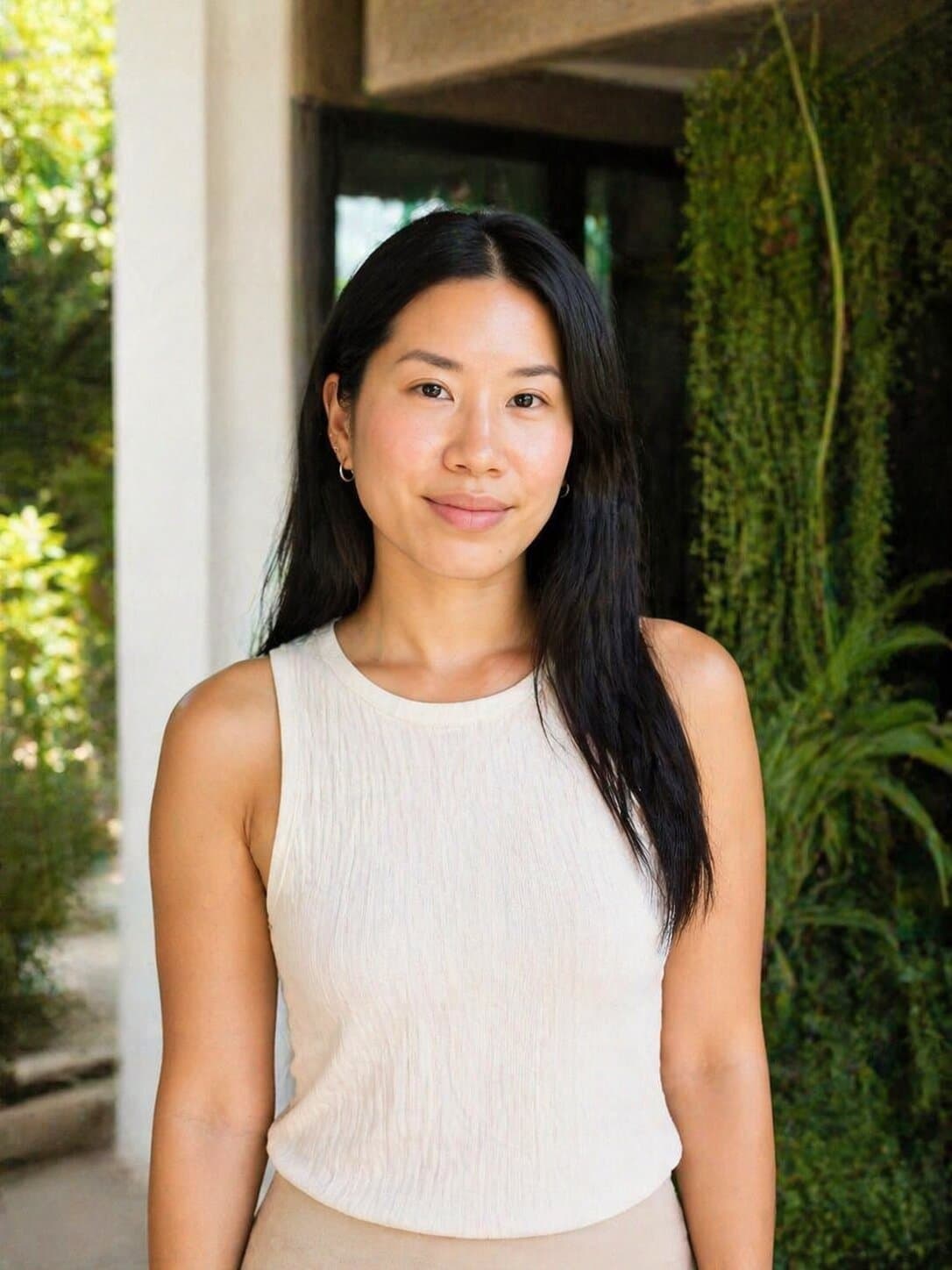
Nat
Co-founder, ClinicPins
Born and raised in Bangkok. Educated in the US. Personally visited every clinic we recommend.
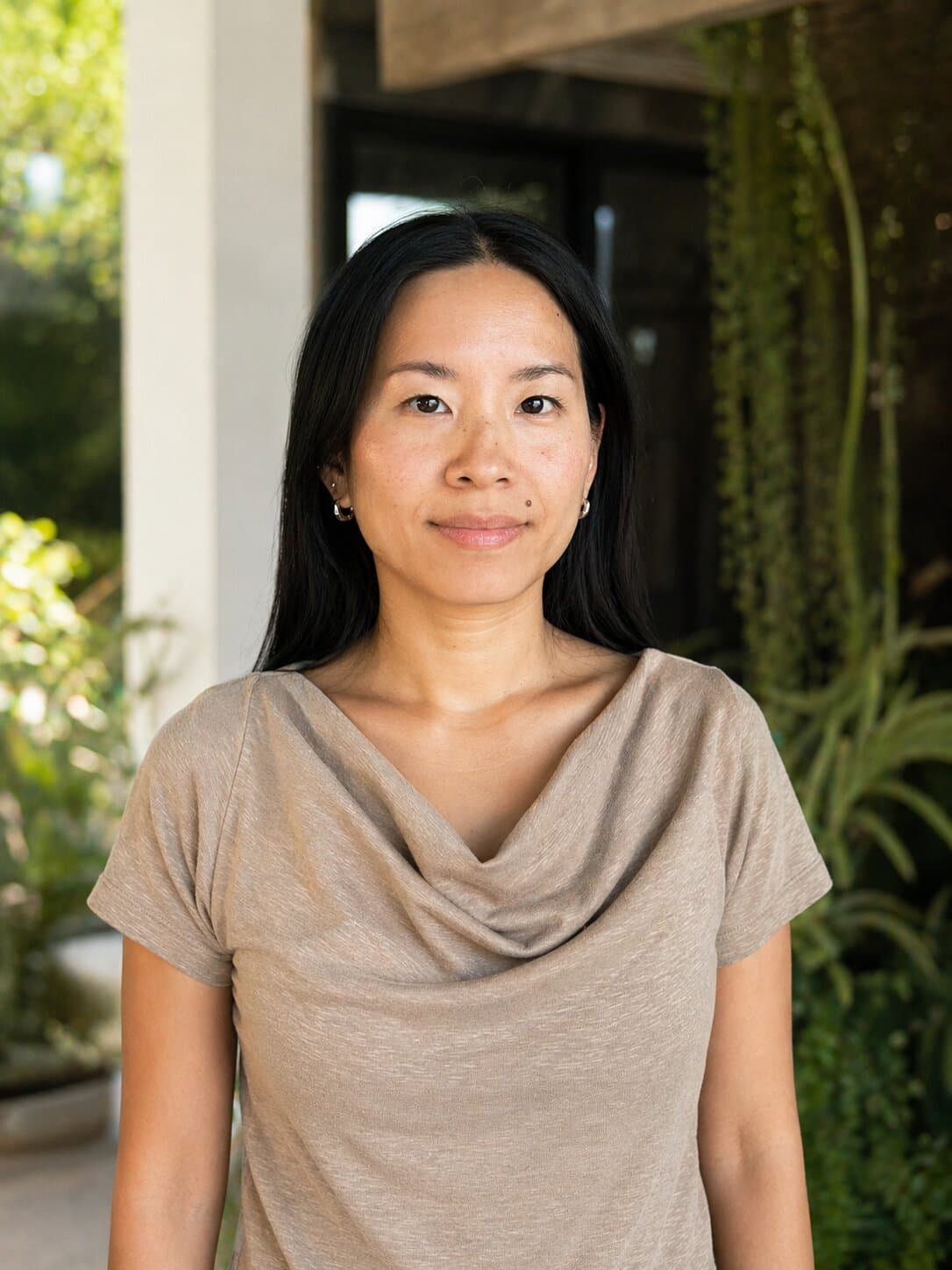
Nisha
Co-founder, ClinicPins
Fluent in Thai and English. Bridges the gap between international patients and Thai clinics.
We are concierge coordinators, not medical professionals. This content is for informational purposes only and does not constitute medical advice — always consult a board-certified surgeon for personalised recommendations. Meet the team
FAQ
Frequently asked questions
Single crowns at mid-range Bangkok dental centres run US $400–$760 depending on the material: PFM from around $300, IPS e.max and monolithic zirconia $550–$760, single-visit CEREC $550–$900. Premium JCI-accredited centres reach $760–$1,100. Budget clinics run $220–$400 for PFM or generic zirconia. Every quoted price includes the preparation, impression or digital scan, temporary crown, lab fabrication, and final cementation. Root canal, core build-up, and periodontal work are quoted separately. These are 2026 prices drawn from Bangkok International Dental Center, Thantakit, and Dental Hospital Thailand price lists.
Two-visit conventional is the standard workflow: 2–3 days for the preparation visit, a 7–14 day lab-fabrication wait, then 2–3 days for the cementation visit. Patients either stay through the lab wait as one 14–21 day trip, or split into two shorter trips 7–14 days apart. Single-visit CEREC at premium centres compresses everything into 3–4 days total — preparation, milling, and bonding in one 2–3 hour appointment. If you also have a missing tooth, a dental bridge in Thailand can be quoted at the same time. We will plan either option with you before you book.
Yes. Crown cementation is not surgery — no anaesthesia lingers past the day, no cabin-pressure concern. Most dentists recommend a 24–48 hour post-cementation review before long-haul travel so that any occlusal high-spot or cement-margin sensitivity can be adjusted chairside. We build that buffer into every trip plan. If you have CEREC on day two of a short trip, day four is a realistic departure.
The centres we recommend mill crowns from US FDA 510(k)-cleared materials: IPS e.max (Ivoclar Vivadent, lithium disilicate), Katana / Lava / Prettau zirconia discs, and high-gold alloys for full-gold crowns. These are the same materials your dentist at home would use. Ask for the specific brand before preparation — a clinic that can't name the brand is using unlabelled generic material and almost certainly charging a premium price for it.
Yes. Every centre we recommend runs a video consultation first — usually 20–40 minutes on WhatsApp or Zoom. Send recent x-rays or a panoramic and a few intra-oral photos; for complex anterior aesthetic cases, some clinics ask for a local impression or digital scan sent ahead. The final treatment plan — material, shade, number of visits — is confirmed in person at the consultation appointment in Bangkok.
Decementation happens in roughly 4–5 in 100 crowns within 5 years and is usually reversible — your home dentist re-cements the same crown. We send you home with a written post-op plan and the cementation-material specifics your home dentist will need. If the failure is clearly a fit or material issue in the first year, the Bangkok centre typically re-fabricates at no material cost; you pay for the chair time on a return trip. Ask for the warranty terms in writing before you fly.
Whiten first, before shade-matching the crown. Porcelain and zirconia don't respond to peroxide — once the crown is cemented, its shade is fixed. If you plan to brighten your natural teeth later, the new crown will look dull against them. Most clinics bundle whitening into a crown trip as a day-one session before preparation; it sets the shade baseline as bright and stable as you want it.
Still have questions? Talk to our concierge team
Ready to start planning?
Tell us what you're considering — even if you're just exploring. No commitment, no pressure.
ClinicPins receives referral fees from partner hospitals. This does not affect our recommendations or your price. Read our editorial policy.
Related
Related treatments
Dental Implants
Titanium implants for missing teeth — the crown restoration on top of an implant uses the same zirconia or e.max material.
Learn more
Dental Veneers
Thin porcelain shells for cosmetic changes on healthy front teeth — the non-invasive alternative to an anterior crown.
Learn more
Dental Bridge
A row of joined crowns spanning one or more missing teeth, anchored to neighbouring prepared teeth or implants.
Learn more