Hair Transplant
in Thailand.
Hair transplant in Thailand is a day-case procedure: FUE or DHI (the two main techniques) in one long morning, a supervised first wash two days later, and you're cleared to fly home in about a week. Our Bangkok team books the surgeon, the clinic, and a recovery hotel close by. We've personally visited every clinic we recommend.
Last updated September 2026
“Saved about $12,000 versus home.”
James R. · Sydney, AU
Hair transplant in Thailand — a fraction of home-country prices.
FUE and DHI at mid-range Bangkok clinics run $1.50–$3.50 per graft, which works out to about $3,500–$8,500 for a typical 2,500-graft session. That's well under the US ($10,000–$20,000), UK (£6,000–£12,000), and Australia (AUD $15,000–$25,000) for the same session size. The surgeons we work with hold the same specialist credentials as the best surgeons at home — fellowship of the International Society of Hair Restoration Surgery (ISHRS), and in several cases certification by the American Board of Hair Restoration Surgery (ABHRS).
🇹🇭Thailand
$1.50–$3.50
per graft at mid-range Bangkok clinics
- FUE or DHI extraction and implantation
- Local anaesthesia and mild oral sedation
- Prophylactic antibiotics and analgesics
- First post-op wash at the clinic (supervised)
- Graft-care supplies (saline spray, specialist shampoo)
- 1–3 post-op review appointments in Bangkok
Other Countries
- ARTAS robotic premium typically adds 30–50%
- Optional growth-boost add-ons — PRP (platelet-rich plasma) and exosome therapy — quoted separately
- No concierge or travel coordination
Is a hair transplant in Thailand safe?
Yes — as long as you pick a surgeon who is registered with the Medical Council of Thailand and holds a specialist hair-restoration credential (the FISHRS fellowship or ABHRS board certification), rather than whichever clinic is cheapest per graft.
Thailand has more JCI-accredited hospitals than any other country in Southeast Asia. The Joint Commission International (JCI) is the same body that audits many top US hospitals, and its checklist covers over 1,200 patient-safety and quality measures, re-checked every three years.
Bumrungrad International Hospital was the first hospital in Asia to earn JCI accreditation back in 2002, and has now passed its seventh re-audit. Most hair-transplant clinics are standalone day-surgery centres rather than full JCI hospitals, so for hair work the thing that really matters is the surgeon's own credentials — our is cosmetic surgery in Thailand safe guide has the broader picture.
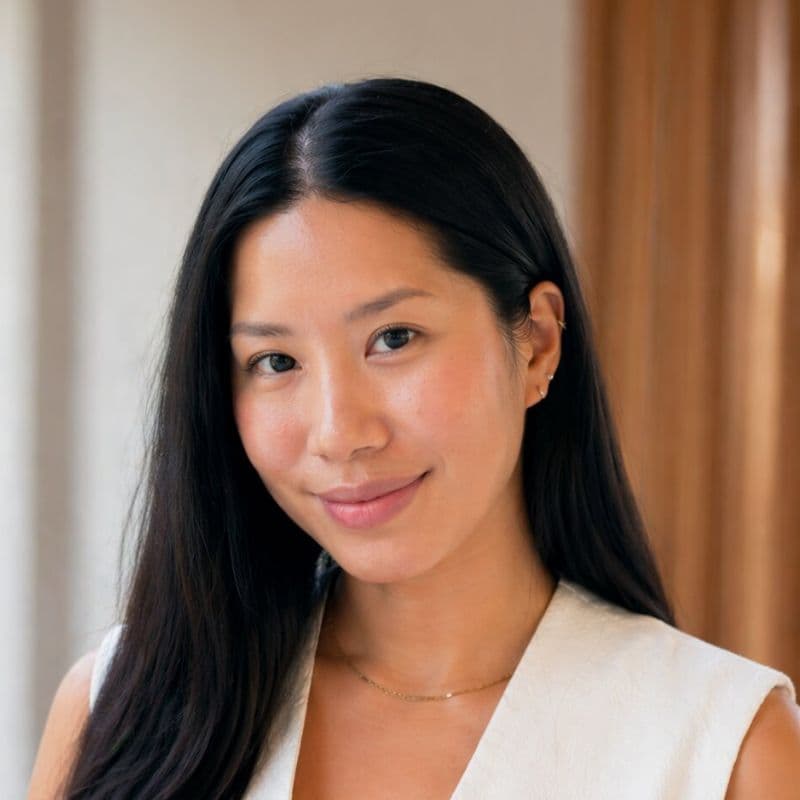
Nat
Co-founder, ClinicPins
FISHRS
International fellowship in hair restoration — the top global credential; several Bangkok surgeons teach on the ISHRS fellowship faculty
85–95%
of hair grafts still alive at one year with modern FUE and DHI in healthy patients who have male- or female-pattern hair loss (alopecia)
1.2–4.7%
patients who hit any complication — the range across large hair-transplant case series
Surgeon credentials that matter
Medical Council of Thailand registration
Every doctor practising in Thailand needs an active Medical Council of Thailand licence. There is a public lookup tool so you can check any doctor's registration yourself. This is the legal baseline, and it's the first thing we verify.
FISHRS or ABHRS credentials
Senior hair-restoration surgeons hold at least one specialist credential on top of the basic medical licence: FISHRS (Fellow of the International Society of Hair Restoration Surgery) or ABHRS Diplomate — the only board that certifies doctors specifically for hair restoration. Several Bangkok surgeons hold both, and some teach on the ISHRS fellowship faculty.
FDA-cleared instruments and systems
The clinics we recommend use hair graft (follicular unit) extraction punches and implanter pens registered with the Thai FDA. Premium clinics offering robotic follicular unit extraction (FUE) use the ARTAS system, which has US FDA 510(k) clearance for both removing and placing grafts.
What the research says
The best recent summary of hair transplant results finds that with modern follicular unit extraction (FUE) and direct hair implantation (DHI), 85–95% of grafts are still alive at the one-year mark in healthy patients with hair loss (alopecia). For the longer view, a Bangkok surgeon ran a ten-year follow-up of his own patients and found only a 4–6% drop in hair density over five years, with most patients happy with the result. The best long-term outcomes were in the men who stayed on oral finasteride. Plain English: the grafts take, most last, and density holds up best if you keep taking the medication your doctor prescribes.
Two big independent reviews published in 2025 rate hair transplant as low-risk day surgery. A separate review of 1,317 patients found that 1.2% to 4.7% of patients ran into any kind of complication. The biggest study of folliculitis (inflamed hair follicles) after surgery found it hits roughly 1 in 8 patients, and the rate climbs when a single session goes over 4,000 grafts or packs more than 45 grafts per square centimetre. That directly shapes how your surgeon should plan your case.
Risks to be aware of
Hair transplant is a low-risk procedure. The main things to keep an eye on, in order of how often they happen: folliculitis (inflamed hair follicles — around 1 in 8 patients, usually mild and clears on its own), temporary shock loss in the donor or recipient area (up to about 5%, almost always grows back), widening of the strip scar if you had FUT (the strip technique), and over-harvesting of the donor area, which is a permanent judgment error by the surgeon rather than a risk of the procedure itself. Repair cases now make up 6.9% of all hair-restoration procedures worldwide, up from 5.4% in 2021. That is what happens when surgeons chase graft count instead of good design.
How to minimise risk:
- Pick a surgeon with FISHRS or ABHRS credentials, not whoever has the cheapest per-graft price
- Ask for unedited 12-month and 18-month before-and-after photos, not just the day-of-surgery shots every clinic has
- Check the planned session size and packing density — sessions over 4,000 grafts or packing above 45 grafts per square centimetre raise the folliculitis risk
- Look the lead surgeon up on the Medical Council of Thailand lookup tool by name, not just by the clinic
- Follow the wash routine after surgery. If your doctor recommends oral finasteride, stay on it — it is the single best predictor of long-term density
Pricing
How much does a hair transplant in Thailand cost by country?
Select your home country
You could save $6,500–$11,500
Price ranges by clinic tier
Prices based on our 2026 clinic research, cross-referenced with published Thai clinic fee schedules (Bangkok Hair Clinic, Thai Hair Clinic). Ranges are per graft for FUE or DHI at a standard 2,500-graft session; ARTAS robotic and full-head cases are quoted individually.
Budget Clinics
$1.50–$2.00 per graft
Save 60–80% vs 🇺🇸🇬🇧🇦🇺🇨🇦Small standalone clinic, manual FUE only, technician-heavy workflow. Works when the case is small and the surgeon has verified credentials — but that second point is where the budget tier varies most.
- Manual FUE extraction and placement
- Local anaesthesia and basic sedation
- One post-op wash at the clinic
- One follow-up review
Mid-Range Specialty
$2.00–$3.50 per graft
Save 50–70% vs 🇺🇸🇬🇧🇦🇺🇨🇦ISHRS-member clinic led by a credentialed hair-restoration specialist. Motorised FUE or DHI, larger team, unedited 12-month and 18-month case photos available on request.
- FUE or DHI with Choi implanter pen
- Surgeon-led extraction and recipient-site design
- Prophylactic antibiotics and graft-care supplies
- 2–3 post-op reviews in Bangkok
Premium International
$3.50–$6.00 per graft
Save 30–55% vs 🇺🇸🇬🇧🇦🇺🇨🇦JCI-hospital-affiliated or ISHRS-fellowship-level clinic. FISHRS plus ABHRS surgeon, sometimes with robotic FUE (ARTAS), and published peer-reviewed research on long-term outcomes.
- FISHRS-fellow or ABHRS-diplomate lead surgeon
- FUE, DHI, or robotic FUE (ARTAS)
- Hospital-grade sterilisation protocols
- Published peer-reviewed research
- Remote review after you fly home
What's included — and what isn't
Typically included
- Pre-op consultation and hairline design
- FUE or DHI extraction and implantation
- Local anaesthesia and mild oral sedation
- Prophylactic oral antibiotic and analgesic course
- Graft-care supplies (saline spray, specialist shampoo)
- First post-op wash at the clinic (supervised)
- 1–3 post-op review appointments in Bangkok
Typically not included
- ARTAS robotic FUE upgrade+30–50% on base per-graft price
- Non-shaven DHI premium (selective trimming)+15–25%
- PRP session (often bundled in packages of 3)฿6,000–฿15,000 per session
- Exosome or mesotherapy add-on (optional growth treatments)฿10,000–฿25,000 per session
- Flights, hotel, transfersvaries by origin
- Long-term finasteride or topical minoxidilquoted by your home pharmacist
Your Trip
Your hair-transplant trip to Thailand
Hair transplant is a single-session day case. Most patients land on a Sunday, operate on Monday, wash on Wednesday, and fly home the following Sunday. Here's what each day looks like.
Phase 1
Before you arrive
3–6 weeks out
- Send recent photos of your scalp (top, front, crown, donor area) and a short medical history to our team on WhatsApp.
- Virtual consultation with your chosen surgeon to confirm the technique (FUE vs DHI), planned graft count, and hairline design.
- We book your surgery date, hotel within 15 minutes of the clinic, and all transfers.
- Stop smoking at least 2 weeks before surgery and avoid alcohol for 3–5 days pre-op — both reduce early complication risk.
- Plan the trip as 5–7 days in Bangkok for the procedure, first wash, and one follow-up. Many patients extend it to a 10–14 day visit — scab care travels.
“We design the hairline with your surgeon before you land. You arrive, review the drawing under good light, and sign off. No surprises on surgery day.”
Nisha
Co-founder, ClinicPins
Phase 2
Surgery day and the first wash
Day 0 to Day 3
- Early start — 7:30 AM at the clinic for preparation, donor-area trim, and local anaesthesia.
- FUE or DHI session runs 6–10 hours with breaks for a typical 2,000–3,000-graft plan.
- Same-day discharge. Expect mild forehead swelling on days 1–3, managed with paracetamol and a short antibiotic course.
- Supervised first wash at the clinic on day 2 or day 3 — this is why it matters to stay in Bangkok rather than fly home immediately.
- Sleep semi-upright for the first 3 nights to reduce swelling. We book hotels that know this: extra pillows, a reclined chair, room service.
“Day 2 is the first wash. It's gentle, it's supervised, and it's the single best argument for not booking your flight home on day 3. We'll drive you to it.”
Nat
Co-founder, ClinicPins
Phase 3
Follow-up, flight home, and the year that follows
Day 4 onwards
Days 4–7
Swelling resolves. Final in-person follow-up with your surgeon around day 5–6. Most surgeons clear a long-haul flight from day 5–7, depending on the case.
Weeks 2–6
At home. Scabs shed between days 7–14; some transplanted hair sheds with them (the follicle is retained, so this is normal). Shock loss window runs weeks 2–6.
Month 3–4
First visible new growth — fine, thin, sometimes wiry. By month 6–9, roughly 70–80% of final density is visible.
Month 12–18
Final cosmetic result. Caliber, density, and line all settle. Most surgeons ask patients to reserve judgment until 18 months; shorter assessments underestimate the outcome.
“The hard part of a hair transplant isn't the surgery. It's the year that follows. We check in at 3 months, 6 months, and 12 months, and we keep the surgeon on WhatsApp with you.”
Nisha
Co-founder, ClinicPins
That’s the plan. Yours gets built around your dates.
Tell us roughly when you’re free and we’ll come back with a schedule that fits, including recovery time before you fly.
Recovery
You're here anyway. Make a trip of it.
The clinic and hotel do most of the work for the first 48 hours. After that, once your surgeon clears you, scab care travels well. Plenty of our patients turn the 5–7 day recovery into a proper Thailand trip with help from our concierge team.
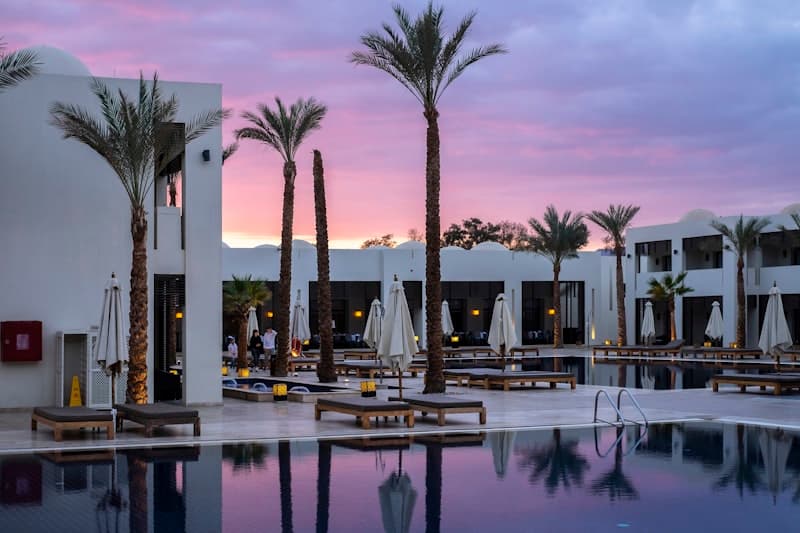
Stay in Bangkok
Sukhumvit or Silom puts you 15 minutes from your clinic for the first wash and follow-up. Rooftop food, BTS line to the malls, 24-hour pharmacy access. Easiest logistics.
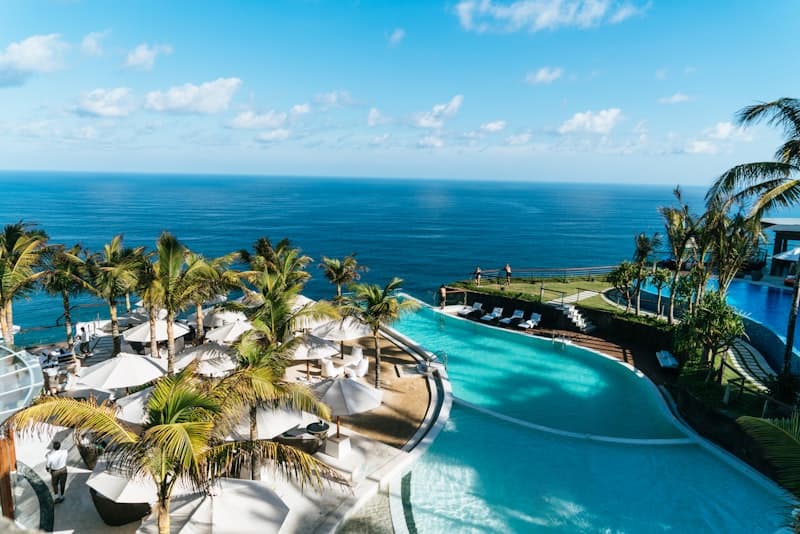
Head to the Beaches
Phuket, Krabi, or Koh Samui a 1-hour flight south once your surgeon clears you (typically day 4–5). Resort-style recovery. A wide-brim hat covers the recipient site while the scabs shed.
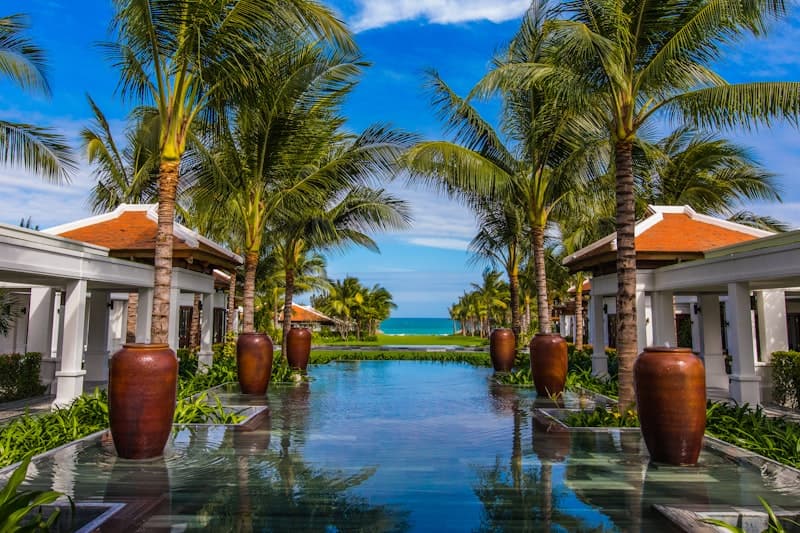
Escape to the Mountains
Chiang Mai in the north is a cooler climate than Bangkok in hot season and easier on the freshly transplanted scalp. Slow pace, great food, good for the first follow-up week.
“We book the hotel, we sort the transfers, we keep the surgeon on WhatsApp while you are on the beach. You focus on resting.”
Nat
Co-founder, ClinicPins
Options
Procedure types
Three techniques cover almost every international hair-transplant case. Your surgeon chooses between them based on your graft requirement, donor-area condition, and how quickly you need to look presentable afterwards.
FUE (Follicular Unit Extraction)Most common
Follicular unit extraction (FUE) is the most common hair transplant technique in the world. The surgeon takes out hair grafts (follicular units) one at a time from the back of the scalp using a small 0.7–1.0 mm punch, then places each graft into tiny slits made with fine blades. The only marks left behind are pinpoint dots, invisible once your hair is 3 mm long or more. The big 2025 review of hair-transplant techniques still has FUE as a front-line option alongside FUT. Many patients also combine hair restoration with another treatment on the same trip — rhinoplasty in Thailand is a common pairing.
Session length
6–10 hours for a typical 2,000–3,000-graft session, with breaks.
Anaesthesia
Local with mild oral sedation. No general anaesthetic needed.
Donor scar
No linear scar. Donor area is invisible at hair lengths of 3 mm or more.
Trip pattern
One trip, 5–7 days in Bangkok covering surgery, first wash, and a follow-up.
$1.50–$3.50 per graft
Save 50–70% vs home“FUE is the default choice for almost every patient we send. Predictable, well-studied, and the donor area heals without a visible scar.”
Nat
Co-founder, ClinicPins
DHI (Direct Hair Implantation)
Direct hair implantation (DHI) pulls grafts the same way as FUE, but places them using a Choi implanter pen — a hollow needle that makes the slit and drops the graft into place in one move. The original cases showed this cut the time each graft spent outside the body from 1–2 hours down to 2–20 minutes. DHI is often offered without a full head shave — the surgeon just trims small sections — which matters if you need to be back at work quickly.
Session length
Slightly slower than FUE per graft; typical 1,500–3,500-graft range per session.
Donor scar
Same as FUE — no linear scar.
Non-shaven option
Selective trimming (not a full head shave). Head looks normal within 7–10 days.
Pricing premium
Premium-tier Thai clinics price DHI 20–30% above standard FUE.
$2.00–$4.50 per graft
Save 45–65% vs home“DHI suits patients who need to be back in meetings on Monday. The non-shaven version keeps the trip invisible to anyone who is not looking closely.”
Nisha
Co-founder, ClinicPins
FUT (Follicular Unit Transplantation)
Follicular unit transplantation (FUT) is the classic strip technique. The surgeon removes a 1–2 cm-wide strip of scalp from the back of the head and splits it under microscopes into individual hair grafts. It leaves a thin line scar that's hidden once your hair is 1 cm long or more. It's still the right choice for very big sessions (4,000+ grafts), for redo work, or to repair a donor area that was over-harvested by a previous FUE. The ten-year Bangkok follow-up we cited above includes FUT cases.
Best for
Very large sessions (4,000+ grafts in one go), or repair of depleted FUE donor zones.
Donor scar
Linear — invisible under hair 1 cm long or more.
Haircut restriction
Less common in medical-tourism settings because it restricts short-hair haircuts.
Combined use
Often paired with FUE for revision or repair cases.
$1.50–$3.00 per graft
Save 55–70% vs home“FUT isn't the first choice for most patients, but for very large cases or a repair on a depleted FUE donor it's often the smarter surgery.”
Nat
Co-founder, ClinicPins
Personalise
Get your hair-transplant estimate
Answer 3 quick questions and we'll show you a personalised price range.
What procedure are you considering?
Partner Hospitals
Hair clinics in Bangkok
Three clinics we've worked with across the tier range. Each has a lead surgeon holding credentials beyond the baseline Medical Council of Thailand licence.
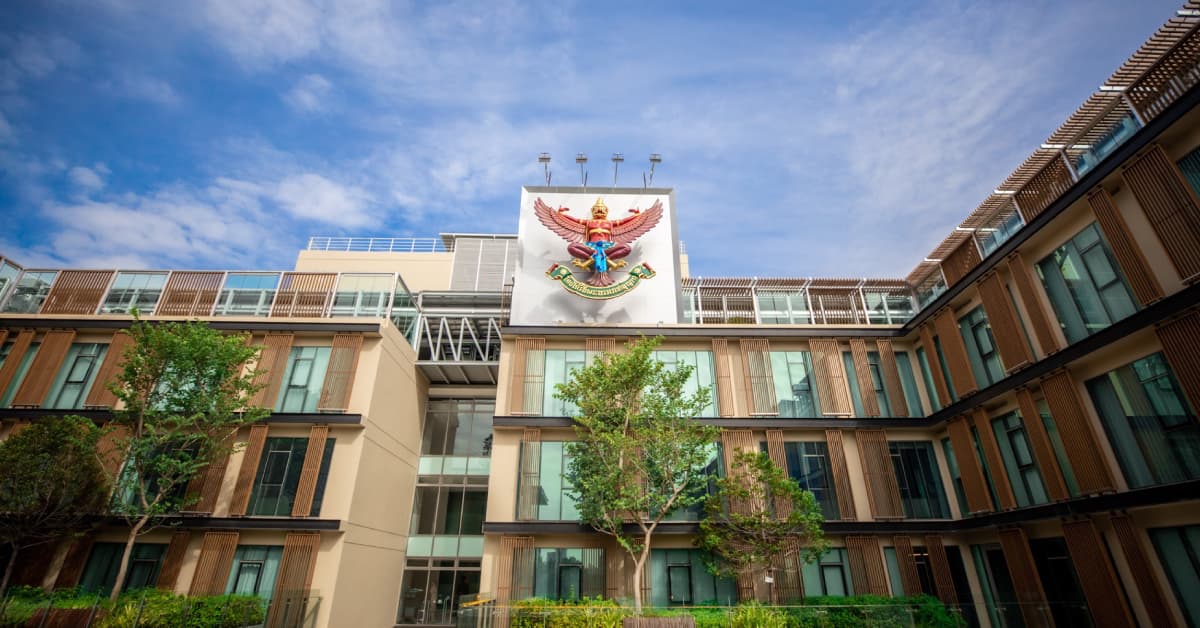
Bangkok International Hospital
JCISoi Soonvijai, Bangkok
JCI-accredited since 2007
Flagship of the Bangkok Hospital Group with multilingual staff and a full surgical program across cosmetic, dental, and general medicine.
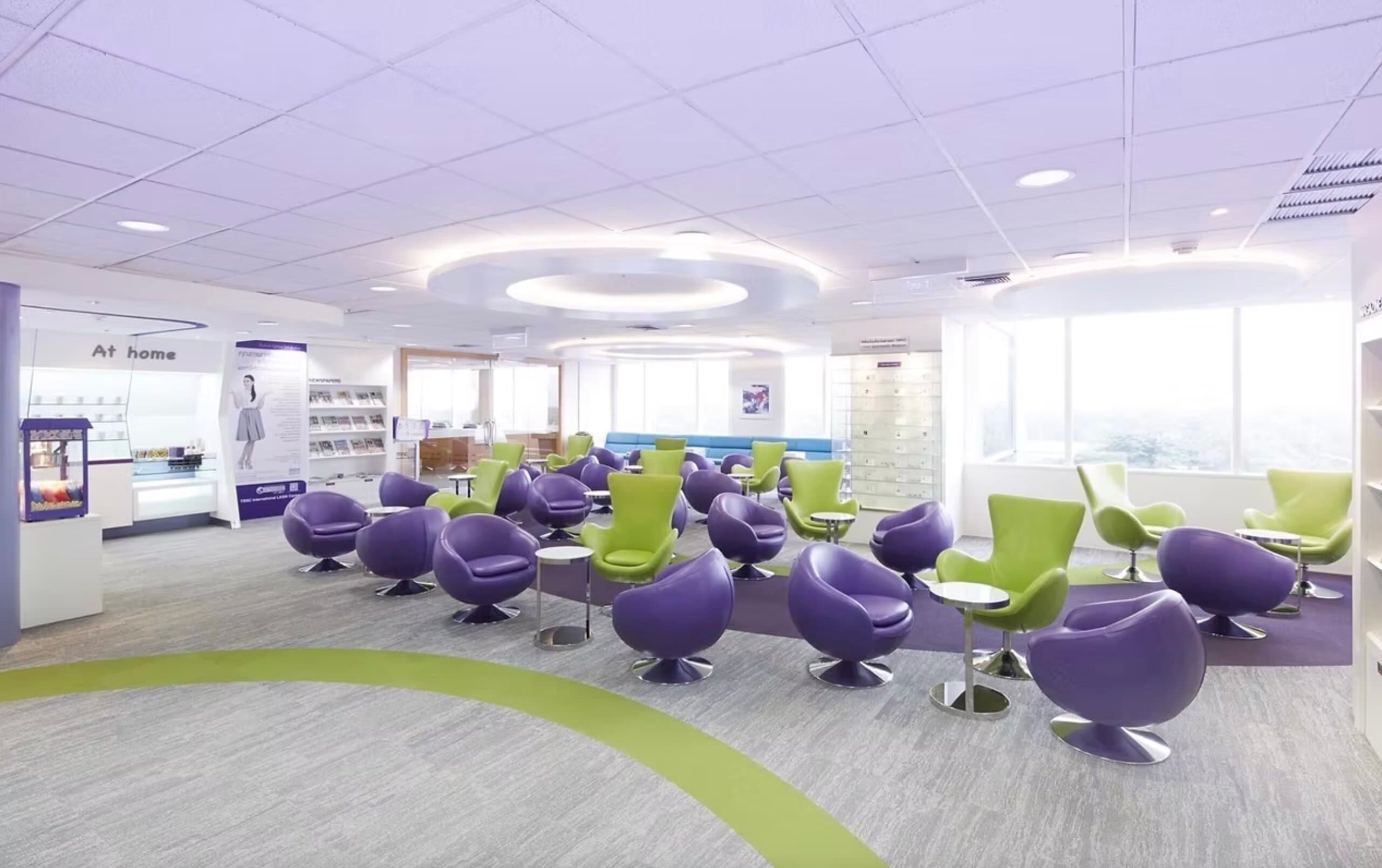
TRSC International LASIK Center
EyeSilom, Bangkok
Dedicated laser vision-correction centre — 102,000+ eyes treated
A standalone eye and vision centre led by medical director Dr. Ekktet Chansue, offering ReLEx SMILE, FemtoLASIK, PRK, and ICL alongside cataract and retinal care.
Not sure which hospital?
Our team can match you with the right hospital based on your goals, body type, and budget.
Talk to UsYour Surgeon
How to choose your hair-transplant surgeon
Before committing to any surgeon, ask these questions — most are happy to answer on video before you book:
Every doctor practising in Thailand has to be registered. You can look up any doctor by name or licence number yourself — do this before your consultation, not after.
Look for FISHRS (Fellow of the International Society of Hair Restoration Surgery) or ABHRS Diplomate status. These are the two specialty credentials that show a surgeon practises evidence-based hair restoration beyond a general medical licence. Bangkok has several surgeons who hold both and teach on the ISHRS fellowship faculty.
Case volume is a decent stand-in for skill, especially for FUE and DHI where hand skill builds up over thousands of cases. Ask for the annual number in the technique you want. If you are combining hair work with another treatment like a facelift, ask how they coordinate scheduling and recovery.
Day-of-surgery photos always look great — every clinic has them. What you actually need are photos at 12 and 18 months, in the exact technique and roughly the graft count you are considering. An honest clinic sends these without dragging their feet.
Studies show the folliculitis risk goes up once a session runs over 4,000 grafts or packs more than 45 grafts per square centimetre. If a surgeon pushes a huge single session to make the price look better, ask why — it is almost always safer to split it into two sessions at least 12 months apart.
Over-harvesting the donor area is the single most common permanent problem with hair transplants. A careful surgeon takes no more than about 40–50% of your donor follicles across your whole life. If the quoted graft count would use up your whole donor area in one go, that's a red flag.
Repair cases make up 6.9% of all hair-restoration procedures worldwide. A good surgeon already has a written plan ready: how they handle folliculitis, what they do about infection, what happens if growth is poor at 12 months, and what's included versus charged extra if a second session is needed.
How we verify
We ask for Medical Council of Thailand registration numbers, copies of FISHRS or ABHRS credential certificates, and recent 12-month case photos. If a clinic won't provide this before you book, we don't recommend it.
Patient Stories
What patients say
All reviews are from verified patients who received treatment at the clinic they're reviewing.
“Quoted AUD $24,000 at home for the same graft count. ClinicPins booked me into a Bangkok clinic with a FISHRS surgeon for AUD $11,500, hotel and transfers included. One trip, back at work eleven days later.”
James R.
FUE — 2,800 grafts, Absolute Hair Clinic
“US clinic quoted $17,000 and a fully shaved head. Bangkok did non-shaven DHI for $7,200. Nobody at my office noticed when I got back.”
Michael T.
DHI — 2,500 grafts (non-shaven), Bangkok Hair Clinic
“I'd looked at Turkey and wasn't convinced. Chose Bangkok because the lead surgeon had FISHRS and ABHRS both. Five days in Bangkok, nine months later the growth was dead even with my native hair.”
Sam P.
FUE — 3,500 grafts, Absolute Hair Clinic
All photos shared with explicit written consent. Results vary by individual.
See more treatmentsResearched & written by
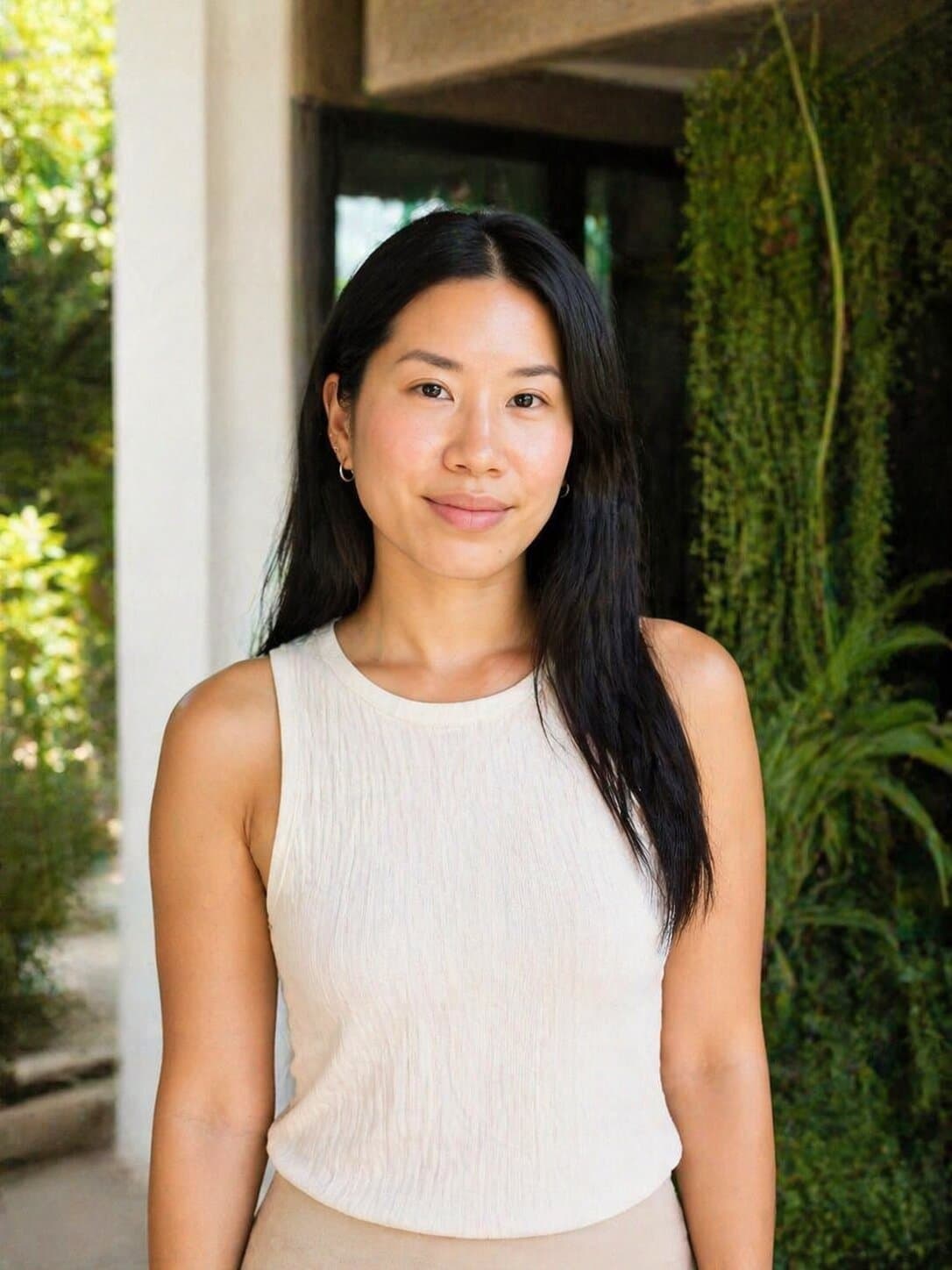
Nat
Co-founder, ClinicPins
Born and raised in Bangkok. Educated in the US. Personally visited every clinic we recommend.
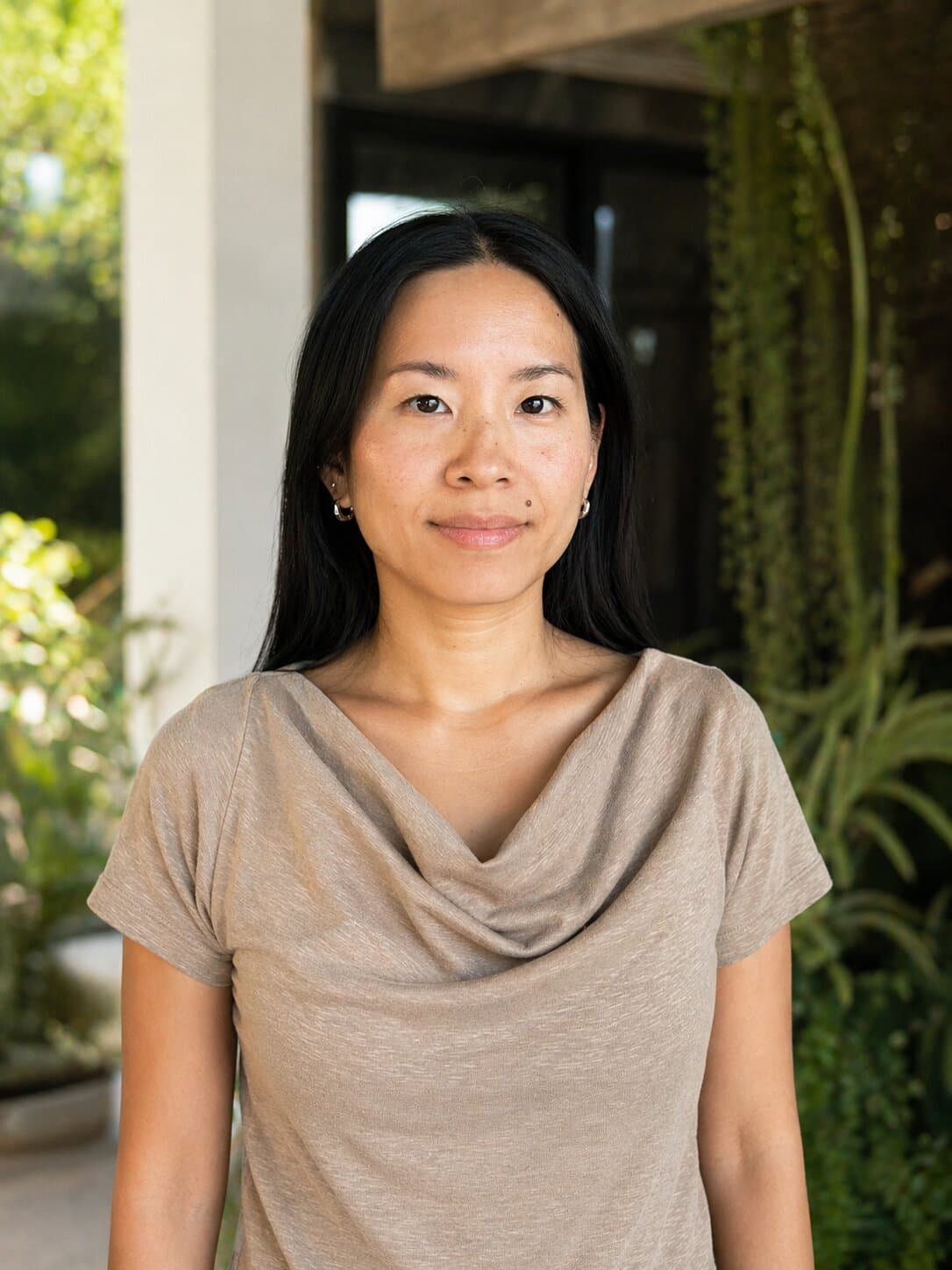
Nisha
Co-founder, ClinicPins
Fluent in Thai and English. Bridges the gap between international patients and Thai clinics.
We are concierge coordinators, not medical professionals. This content is for informational purposes only and does not constitute medical advice — always consult a board-certified surgeon for personalised recommendations. Meet the team
FAQ
Frequently asked questions
Mid-range Bangkok clinics charge $1.50–$3.50 per graft for FUE or DHI, which works out to $3,500–$8,500 for a typical 2,500-graft session. Premium FISHRS/ABHRS clinics reach $3.50–$6.00 per graft ($8,500–$15,000 for the same session). These are 2026 prices cross-referenced with published Thai clinic fee schedules.
Plan 5–7 days in Bangkok. That covers the pre-op consultation, surgery day, the supervised first wash on day 2–3, and one follow-up before you fly home. Many patients extend it into a 10–14 day trip — scab care travels well once your surgeon clears you from day 4 onwards.
Most surgeons clear long-haul flights from day 5–7, after the first supervised wash and a follow-up review. The first 48–72 hours are the highest-risk window for graft dislodgement, which is why staying in Bangkok for that period matters. Your surgeon signs off individually, and we'll time your departure around that.
The extraction step is the same in both — individual hair grafts are taken out with a small punch from the back of the scalp. The difference is how they go in. Standard FUE makes the slit first with a fine blade, then the graft is placed with forceps. DHI uses a Choi implanter pen that makes the slit and drops the graft in one step, cutting the time each graft spends out of the body from 1–2 hours to 2–20 minutes. DHI is also usually the one offered without a full head shave — the surgeon just trims small patches.
Yes. Every clinic we recommend runs a video consultation first — usually 30 minutes on WhatsApp or Zoom. You send photos of your scalp from the top, front, crown, and donor area, plus a short medical history. The surgeon confirms the technique, graft count, and hairline design before you book flights. Final sign-off happens in person the day before surgery.
Across big hair-transplant case series, 1.2% to 4.7% of patients hit any kind of complication. The most common one is folliculitis — inflamed hair follicles — which affects roughly 1 in 8 patients and usually clears up with oral antibiotics. We send you home with a written post-op plan your GP or dermatologist can follow, we stay on WhatsApp with you, and we loop the Bangkok surgeon in directly if anything needs escalating.
US, UK, Australian, Canadian, NZ, and Singapore passports are entitled to 60 days visa-exempt entry under Thailand's current exemption schedule. That covers the 5–7 day hair-transplant trip comfortably, with room to extend. We confirm the current rule for your passport in your trip plan.
Still have questions? Talk to our concierge team
Ready to start planning?
Tell us what you're considering — even if you're just exploring. No commitment, no pressure.
ClinicPins receives referral fees from partner hospitals. This does not affect our recommendations or your price. Read our editorial policy.
Related
Related treatments
Rhinoplasty
Nose reshaping — often paired with hair restoration by patients planning a broader appearance trip.
Learn more
Facelift
Surgical facial rejuvenation — another common companion procedure for longer Thailand trips.
Learn more
Blepharoplasty
Eyelid surgery — adds to a coordinated face-area refresh alongside hair restoration.
Learn more