Liposuction
in Thailand.
Liposuction in Thailand is a same-day procedure: one morning in an accredited Bangkok surgical day-hospital, peak swelling days 1–3, compression garment from day 0, and cleared to fly home in about a week for a single area. Our Bangkok team books the plastic surgeon, the theatre, and a recovery hotel ten minutes from the clinic. We've personally visited every clinic we recommend.
Last updated September 2026
“Saved about $6,000 versus home.”
Sarah K. · Melbourne, AU
Liposuction in Thailand — about half the cost of the US.
Single-area liposuction at mid-range Bangkok clinics runs $2,200–$4,000 per area. That's roughly half the US all-in average of $8,407 reported by ASPS, and around 40–55% less than Australia (AUD $3,000–$5,000) or the UK (£3,000–£6,000), at ThPRS-certified plastic surgeons using the same FDA-cleared devices your surgeon at home would choose.
🇹🇭Thailand
$2,200–$4,000
per area at mid-range Bangkok clinics
- Surgeon fee (ThPRS-certified plastic surgeon)
- Accredited surgical day-hospital theatre and anaesthesia
- Tumescent anaesthesia and any required IV sedation
- Compression garment for the 4–6 week recovery
- Prophylactic antibiotics and analgesics
- 2–3 in-country post-op reviews with lymphatic drainage
Other Countries
- VASER / Hi-Def premium typically adds 20–40%
- Combined procedures (tummy tuck, fat transfer) priced separately
- No concierge, hotel, or travel coordination
Is liposuction in Thailand safe?
Yes — with a ThPRS-certified plastic surgeon in an accredited Bangkok day-hospital, using the tumescent technique (injecting saline and anaesthetic first) and standard blood-clot prevention. In that setting, liposuction has a death rate of 9 in 100,000 across 246,119 US outpatient cases, roughly half the historical rate. The Bangkok clinics we recommend run the same protocols.
Thailand has more JCI-accredited hospitals than any country in Southeast Asia — the same international body that accredits top US hospitals. Their checklist covers over 1,200 patient-safety and quality measures, re-audited every three years. Bumrungrad International was the first hospital in Asia to earn it, back in 2002, and has kept it ever since.
The ISAPS 2024 global survey ranked liposuction the second most common cosmetic surgery worldwide and named Thailand a top destination for international patients. High volume is a reason to be picky about your surgeon — not a reason to relax.

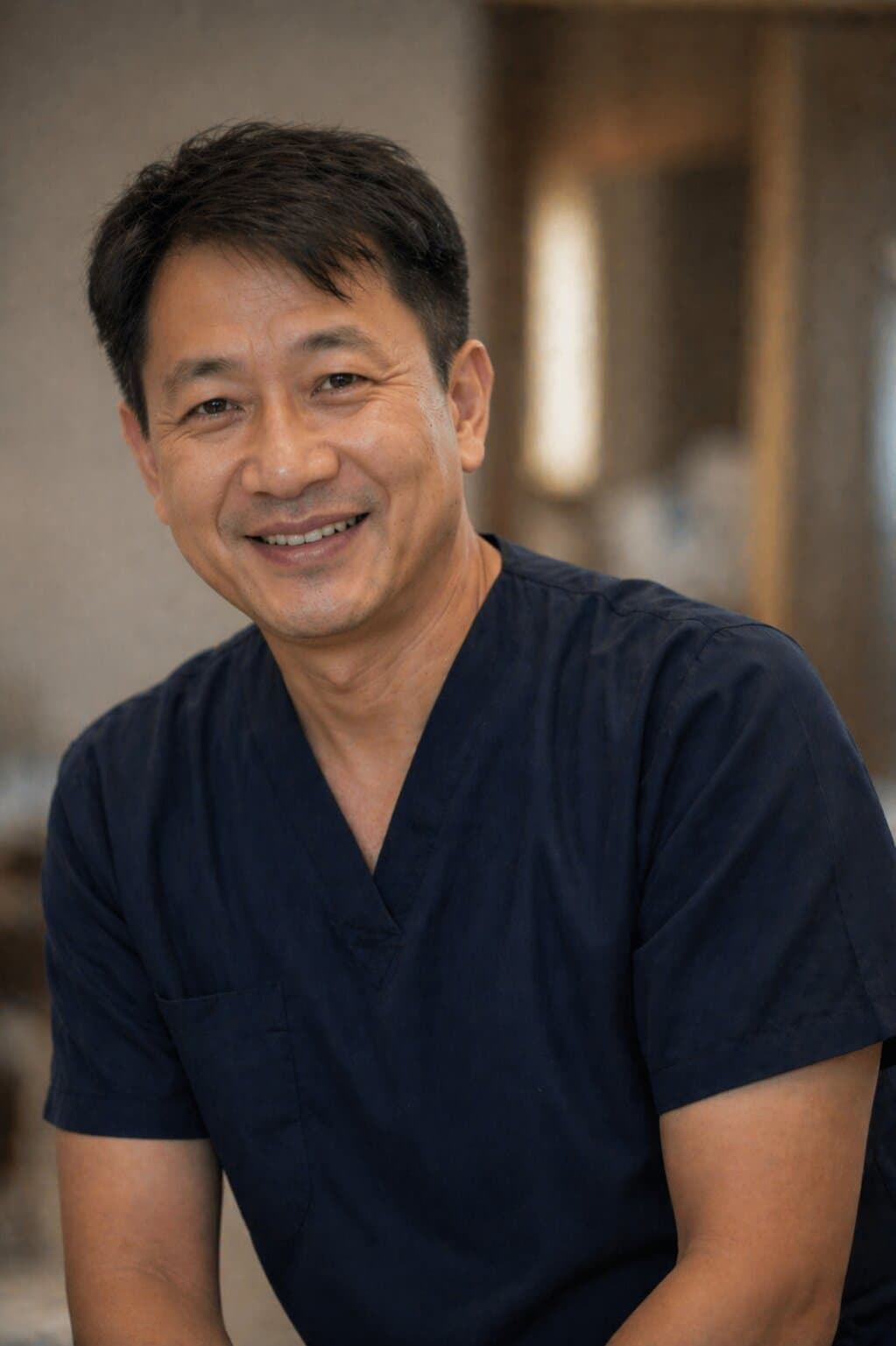
Nat
Co-founder, ClinicPins
0.009%
death rate across 246,119 cases in accredited US outpatient clinics — modern liposuction on its own is about half as risky as it used to be
1.16%
overall complication rate across 69,424 liposuction-only patients in a 2025 analysis — bruising under the skin and infection were the most common
2nd
most common cosmetic surgery worldwide in 2024, per ISAPS — with Thailand a top destination for international patients
Surgeon credentials that matter
Medical Council of Thailand registration
Every doctor practising in Thailand must hold an active Medical Council of Thailand licence. A public tool lets you look up any doctor's registration by name or licence number. This is the baseline we check before we recommend any surgeon.
ThPRS plastic-surgery certification
ThPRS is the Thai plastic-surgery society and the Thai chapter of the international IPRAS body. To join, a surgeon has to finish the Royal College of Surgeons of Thailand programme — 6+ years of plastic-surgery training — plus pass the Thai specialty exam. It is the Thai equivalent of ABPS certification in the US.
FDA-cleared devices and accredited facilities
Liposuction devices sold in Thailand are registered through the Thai FDA. The VASER ultrasound platform has held US FDA clearance since 2002. The clinics we recommend operate in JCI-accredited hospitals or Thai-Ministry-accredited day-hospitals with full anaesthesia support.
What the research says
Modern liposuction, done on its own, is one of the most-studied cosmetic procedures there is. A 2023 review of 246,119 cases in accredited US outpatient clinics found a 0.40% complication rate and a 0.009% death rate — about 9 deaths per 100,000 procedures. A separate 2025 study of 69,424 patients having liposuction on its own put the overall complication rate at 1.16%. Laser-assisted liposuction carried 50% lower risk than the standard approach; infusion-assisted carried 6.7 times higher risk.
A 2024 review pooling 21,776 liposuction patients across 60 studies found the three most common problems were lumpiness or bumps in the contour (2%), seroma — a fluid pocket under the skin (2%), and bruising under the skin / hematoma (1%). That puts liposuction in the low-complication tier of cosmetic surgery, as long as it is done on its own in a single session. For comparison, an older 2000 survey of cosmetic surgeons recorded a death rate of 19.1 per 100,000, with blood clots travelling to the lungs causing 23.4% of those deaths. Twenty-five years of safer anaesthesia, accredited facilities, and blood-clot prevention have roughly halved that rate. That is the protocol the Bangkok clinics we recommend run today.
Risks to be aware of
Serious problems are uncommon. The main ones to keep an eye on, in order of how often they show up, are lumpiness or bumps in the contour (about 2%, mostly down to the surgeon), seroma — a fluid pocket under the skin (2%, drained at the clinic), hematoma — bruising under the skin (1%), and wound infection (under 0.2% in accredited facilities, per the 2023 review of 246,119 US outpatient cases). Blood clots used to be the leading cause of liposuction deaths; with modern clot prevention the rate now sits at roughly 3 in 10,000 in accredited settings. Combining liposuction with something like a tummy tuck in a single session pushes serious-complication risk up sharply, which is why we ask surgeons to split those procedures across separate visits.
How to minimise risk:
- Pick a ThPRS-certified plastic surgeon at an accredited facility — not a cosmetic clinic running lipo as a side service
- Ask to see before-and-after photos at 3 months and 6 months, not day-0. Swelling takes time to settle and the real result shows up at 3–6 months
- If you want lipo plus a tummy tuck, breast procedure, or mommy makeover, split them across separate visits. Doing them all in one session raises risk sharply
- Wear the compression garment for the full 4–6 weeks, walk within hours of surgery, and take any prescribed blood-clot prevention
- Check the lead surgeon on the Medical Council of Thailand public licence tool and confirm ThPRS membership before you book
Pricing
How much does liposuction in Thailand cost by country?
Select your home country
You could save About half the US price per area

Price ranges by clinic tier
Prices based on our 2026 clinic research, cross-referenced with ThPRS-member Bangkok clinics and public hospital fee schedules. Ranges are per single area for isolated liposuction; VASER Hi-Def and multi-area cases priced individually.
Budget Clinics
Not recommended
—Standalone cosmetic clinics advertising low per-area rates without ThPRS-certified lead surgeons. We do not recommend this tier for international patients. The risk is not the price, it is the credential gap.
- Skip this tier entirely
- The $200–$500 a budget clinic saves you doesn't cover one revision
- Use the two tiers below instead
Mid-Range Specialty
$2,200–$4,000 per area
Save 40–60% vs 🇺🇸🇬🇧🇨🇦ThPRS-certified plastic surgeon operating in an accredited Bangkok surgical day-hospital. Tumescent anaesthesia, PAL or VASER, dedicated plastic-surgery theatre, and a real 4–6 week compression-garment and lymphatic-drainage protocol.
- ThPRS-certified lead surgeon
- Tumescent anaesthesia plus PAL or VASER
- Compression garment and lymphatic drainage included
- 2–3 post-op reviews in Bangkok
Premium International
$3,500–$6,500 per area
Save 20–45% vs 🇺🇸🇬🇧🇨🇦JCI-accredited hospital with a ThPRS-certified plastic surgeon who also holds ISAPS membership or ASPS International Member status. VASER Hi-Def available, published research, and full medical-tourism coordination built in.
- ThPRS plus ISAPS or ASPS International credentials
- JCI-accredited hospital operating theatre
- VASER Hi-Def and 4D liposculpture available
- Remote review after you fly home
What's included — and what isn't
Typically included
- Pre-op consultation, surface-marking, and before-after photography
- Surgeon fee (ThPRS-certified plastic surgeon)
- Operating theatre fee in an accredited day-hospital
- Tumescent anaesthesia and any required IV sedation
- Compression garment for the 4–6 week recovery
- Prophylactic antibiotics and analgesics
- 2–3 post-op reviews in Bangkok
- 2–4 sessions of lymphatic drainage at premium-tier clinics
Typically not included
- VASER / Hi-Def ultrasound upgrade+20–40% on base per-area price
- Fat transfer to face, breast, or BBL in the same session+$1,500–$3,500
- Combined tummy tuck (better staged in a separate visit)quoted separately
- Flights, hotel, airport transfersvaries by origin
- Home-country post-return clinical reviewquoted by your home doctor
Your Trip
Your liposuction trip to Thailand
Isolated single-area liposuction is a same-day case. Most patients land on a Sunday, operate on Monday, rest in Bangkok through the week, and fly home the following weekend. Multi-area or VASER Hi-Def cases typically add 4–7 days to the stay.
Phase 1
Before you arrive
2–6 weeks out
- Send recent photos of the areas you're considering (front, side, and back views, good light) and a short medical history to our team on WhatsApp.
- Virtual consultation with your chosen surgeon to confirm the technique (PAL, VASER, or laser-assisted), the area plan, and realistic volume expectations.
- We book your surgery date, hotel within 10 minutes of the clinic, and all transfers.
- Stop smoking at least 4 weeks before surgery, avoid alcohol for 3–5 days pre-op, and pause anti-inflammatories per your surgeon's direction. All three reduce your complication risk.
- Plan 7–10 days in Bangkok for a single-area case; 10–14 days for multi-area or VASER Hi-Def.
“Liposuction is a sculpting surgery, not a weight-loss surgery. Your surgeon marks the exact areas on your skin the morning of the case so you both agree before you're in the theatre. It makes a difference.”
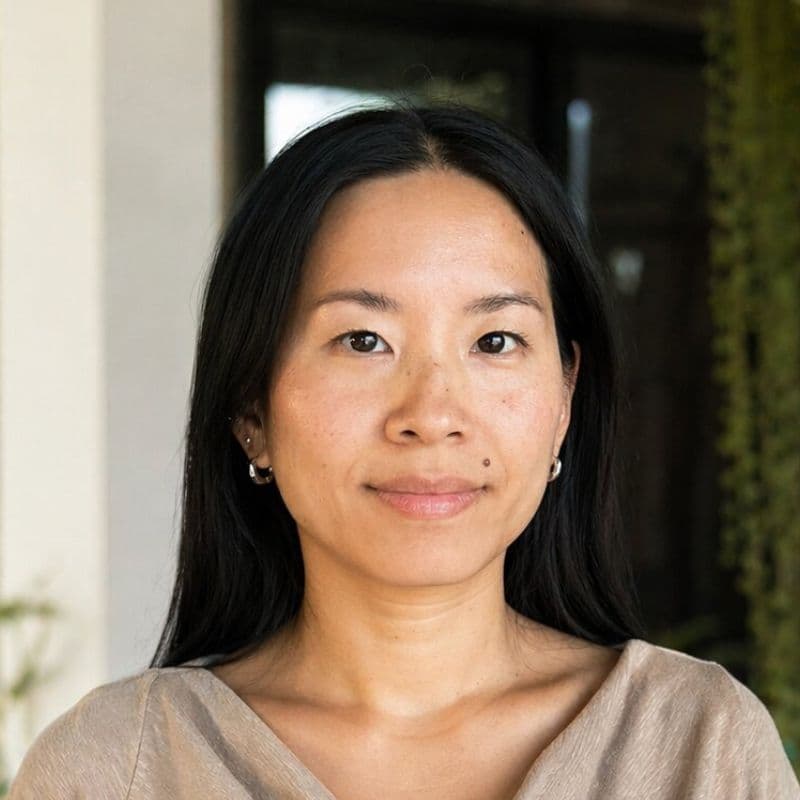
Nisha
Co-founder, ClinicPins
Phase 2
Surgery day and the first week
Day 0 to Day 7
- Early arrival at the day-hospital for marking, photos, and tumescent-anaesthesia preparation.
- Procedure runs 1–4 hours depending on number of areas, often under tumescent with mild IV sedation rather than general anaesthesia.
- Compression garment on at the end of the case. Same-day discharge to the hotel for isolated cases.
- Walking is encouraged within hours of surgery. It cuts the risk of leg clots, which is the one serious risk to take seriously.
- Days 1–3 are peak swelling and leakage of tumescent fluid through the tiny incisions. Absorbent pads inside the garment handle it.
“We visit you on day 1 at the hotel. Not a wellness check-in, a real visual on the garment fit, the leakage, and how you're walking. Small adjustments early are what keep recovery smooth.”
Nat
Co-founder, ClinicPins
Phase 3
Follow-up, flight home, and the six months that follow
Day 7 onwards
Days 4–7
Swelling subsides from the peak. First post-op review at the clinic around day 4–5. Light sedentary work acceptable. Single-area cases are usually cleared for a short flight from day 7.
Weeks 2–4
At home. Compression garment continuous. Most patients back to non-physical work by day 7–10. Long-haul flight cleared from day 10–14 on larger cases.
Weeks 4–6
Compression garment transitions to intermittent wear. Light exercise (walking, stationary bike) from week 2; full unrestricted exercise from week 6.
Months 3–6
Final contour emerges. Most visible swelling resolves at 4–6 weeks, but subtle residual swelling can persist for 3–6 months, especially in the lower abdomen and flanks. The real result is at 6 months.
“The hard part of liposuction isn't the surgery. It's the compression garment and the patience for six months of gradual contour change. We check in at 1 month, 3 months, and 6 months, and we keep the surgeon on WhatsApp with you.”
Nisha
Co-founder, ClinicPins
That’s the plan. Yours gets built around your dates.
Tell us roughly when you’re free and we’ll come back with a schedule that fits, including recovery time before you fly.
Recovery
You're here anyway. Make a trip of it.
Once your surgeon clears you (typically day 4–7 for single-area cases, day 7–10 for multi-area), our concierge team can plan the rest of your stay wherever you'd like.
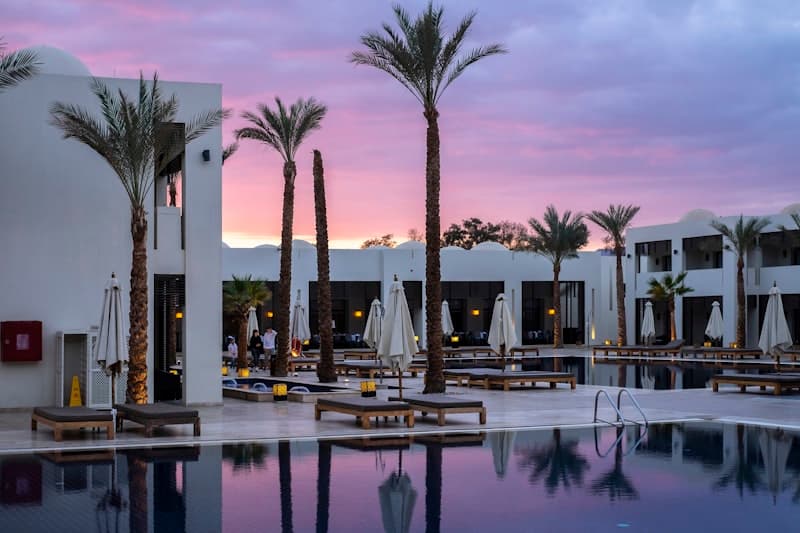
Stay in Bangkok
Sukhumvit or Silom puts you ten minutes from your clinic for the first post-op review and any lymphatic-drainage sessions. BTS and MRT access, 24-hour pharmacies, and hotel service for the days the compression garment feels most restrictive. Easiest logistics.
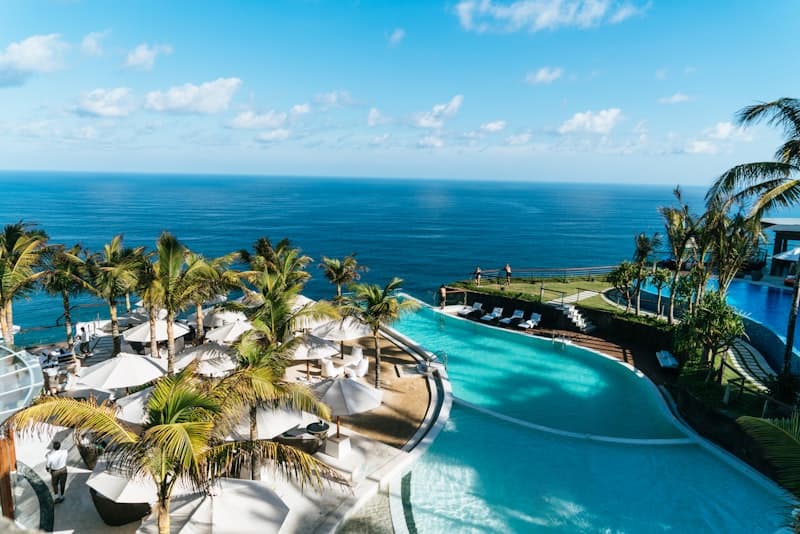
Head to the Beaches
Phuket, Krabi, or Koh Samui a one-hour flight south once cleared. Warm weather is easier on the garment schedule than a cold European flight home. Loose, breathable clothing works over the garment, and the beach walks count as early mobilisation.
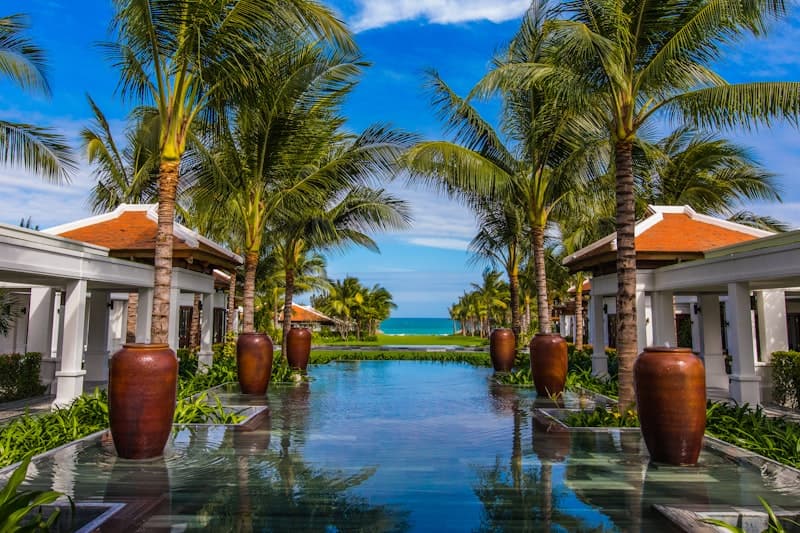
Escape to the Mountains
Chiang Mai in the north is a cooler climate and a slower pace. Calm cafes, good food, and short walks that keep the circulation going without taxing the recovery. A quieter second half of the trip.
“Most of our liposuction patients build the trip around the recovery, not against it. We book the hotels, the domestic flights, and the lymphatic drainage so you can focus on resting properly.”
Nat
Co-founder, ClinicPins
Options
Procedure types
Four modalities cover almost every international liposuction case. Your surgeon picks between them based on the area, the fat density, your skin quality, and the contour goal.
Tumescent SAL (Suction-Assisted Liposuction)Most common
The baseline technique. The surgeon uses the tumescent technique (injecting saline and anaesthetic first) to numb and firm up the area, then slides a thin cannula through tiny incisions to break up and suction out the fat. SAL is still the most common approach worldwide, used in 56.5% of liposuction-only cases in a 2025 US analysis. Best for softer fat and smaller areas (inner arms, inner thighs, flanks). Many patients also ask about pairing liposuction with another body procedure — tummy tuck in Thailand is the most common question, and the honest answer is that splitting them across two visits is usually safer.
Anaesthesia
Tumescent local anaesthetic — often no general needed.
Best for
Softer fat: inner arms, inner thighs, flanks.
Evidence base
The most-studied liposuction technique worldwide, and the first one every ThPRS plastic surgeon learns.
Trip pattern
Single-session day case. 7–10 days in Bangkok for a single area.
$2,000–$3,500 per area
Save 40–55% vs 🇺🇸“Tumescent SAL is the default for the majority of single-area cases we send. Predictable, well-studied, and the safety profile is the reason every subsequent technique builds on it.”
Nat
Co-founder, ClinicPins
PAL (Power-Assisted Liposuction)
A powered cannula with a vibrating tip. The vibration breaks fat loose more efficiently, so the surgeon uses less physical force and has tighter control. Especially useful in denser, tougher fat (upper abdomen, male chest, back rolls) where standard SAL is harder work. You usually get less bruising and a faster early recovery than SAL in those areas. It is the second-most-common approach, used in 32% of US liposuction-only cases. For male chest shaping, see also gynecomastia surgery in Thailand, where liposuction plays a central role alongside gland removal.
Best for
Tougher areas: upper abdomen, back, male chest.
Surgeon effort
Less tiring on long cases, which tends to mean a smoother contour when treating bigger areas.
Early recovery
Usually less bruising and a faster early recovery than manual SAL.
Use case
Often the right pick for touch-up and revision cases.
$2,500–$4,500 per area
Save 45–60% vs 🇺🇸“PAL earns its keep in the upper abdomen and the back, areas where fat is denser and a manual cannula gets tiring for the surgeon. Less bruising the next morning is the tell.”
Nisha
Co-founder, ClinicPins
VASER (ultrasound-assisted liposuction)FDA-cleared ultrasound
VASER (ultrasound-assisted liposuction) uses 36 kHz sound waves to melt fat selectively before it is suctioned out, leaving nearby tissue, blood vessels, and nerves more intact. It has held US FDA clearance since 2002. In Bangkok it is most often marketed as "Hi-Def lipo" or "4D liposculpture" for the athletic-look abdominal etching and waist definition it can produce.
Best for
High-definition sculpting: abdominal etching, waist, male chest shaping.
Tissue sparing
Easier on vessels and nerves than mechanical-only techniques.
Price premium
Adds 20–40% on top of standard SAL or PAL pricing.
Surgeon requirement
Rewards an experienced surgeon. Credentials first, VASER second.
$3,500–$6,500 per area
Save 20–45% vs 🇺🇸“VASER Hi-Def is a surgeon’s tool, not a marketing label. It rewards an experienced operator and punishes an inexperienced one with ugly contour irregularities. Credentials first, then VASER.”
Nat
Co-founder, ClinicPins
Laser-Assisted (SmartLipo, SlimLipo)
A thin laser fibre is passed through a small cannula. It breaks up fat cells and gently heats the underside of the skin, giving a modest skin-tightening bonus in areas with slight looseness (under the chin, inner thighs, upper arms). In the 2025 study of 69,424 patients, laser-assisted liposuction carried 50% lower complication risk than the standard approach. The skin-tightening effect is real but subtle — not a replacement for cutting away skin in people with a lot of extra skin.
Best for
Small-to-medium areas with a bit of loose skin — common for under-chin and neck liposuction.
Safety profile
Lowest complication rate of the four techniques in the 2025 study.
Skin tightening
Subtle. Not a replacement for a lift.
Alternative use
Often the right call where PAL or VASER would be overkill.
$2,800–$5,000 per area
Save 30–50% vs 🇺🇸“Laser-assisted is a good fit for the chin-and-neck case that wants just a touch of skin tightening thrown in. For a full abdomen, PAL or VASER is usually the better answer.”
Nisha
Co-founder, ClinicPins
Personalise
Get your liposuction estimate
Three quick questions. We'll show a personalised price range and your estimated savings versus home.
What procedure are you considering?
Partner Hospitals
Liposuction clinics in Bangkok
Three Bangkok clinics across the tier range. Each has a ThPRS-certified lead surgeon, an accredited operating theatre, and documented protocols for tumescent anaesthesia, VTE prophylaxis, and post-op lymphatic drainage. Our team has visited each one.
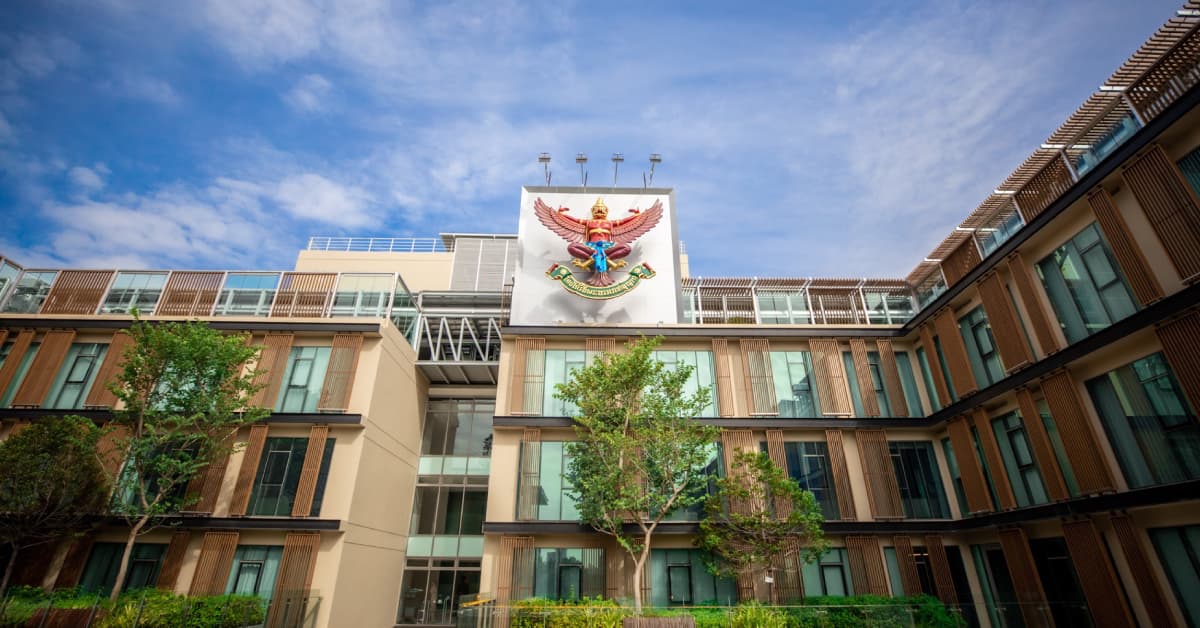
Bangkok International Hospital
JCISoi Soonvijai, Bangkok
JCI-accredited since 2007
Flagship of the Bangkok Hospital Group with multilingual staff and a full surgical program across cosmetic, dental, and general medicine.
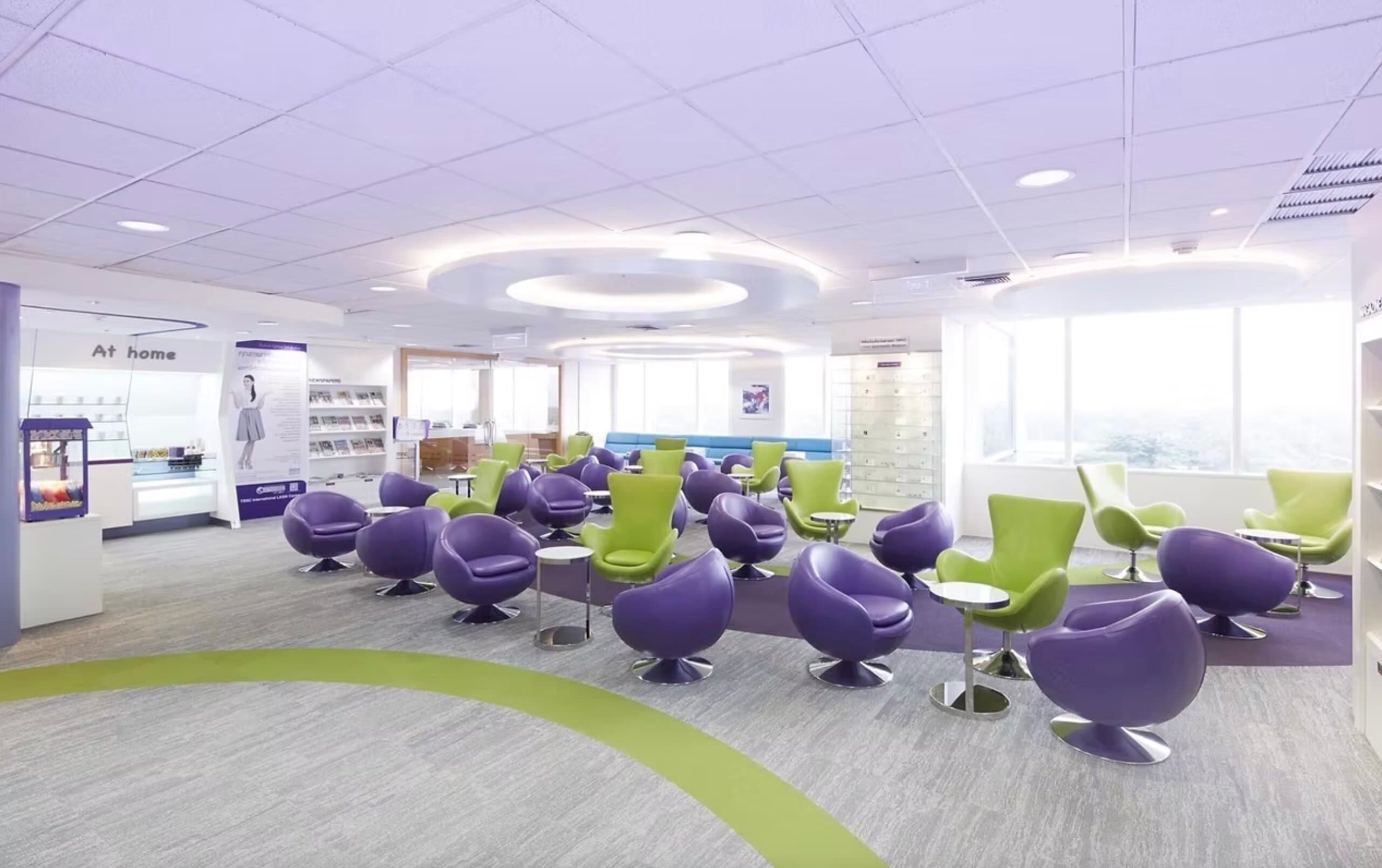
TRSC International LASIK Center
EyeSilom, Bangkok
Dedicated laser vision-correction centre — 102,000+ eyes treated
A standalone eye and vision centre led by medical director Dr. Ekktet Chansue, offering ReLEx SMILE, FemtoLASIK, PRK, and ICL alongside cataract and retinal care.
Not sure which hospital?
Our team can match you with the right hospital based on your goals, body type, and budget.
Talk to UsYour Surgeon
How to choose your liposuction surgeon
Before committing to any surgeon, ask these questions — most are happy to answer on video before you book:
Every doctor practising in Thailand has to be registered with the Medical Council. A public tool lets you look up any doctor by name or licence number. On top of that, ask for ThPRS membership — that signals completed plastic-surgery training through the Royal College of Surgeons of Thailand, the Thai equivalent of ABPS certification in the US. Check both before your consultation, not after.
Case volume is a decent proxy for skill in liposuction. Judgement about the contour gets better over hundreds of cases. Ask for the annual number, the split between single-area and multi-area cases, and how often the surgeon does combined procedures. If you're also thinking about a breast procedure, ask about that directly. Combining surgeries safely needs experience with both.
A good surgeon picks the technique to match your anatomy, not their favourite gadget. Tumescent SAL suits softer fat and smaller areas; PAL handles tougher zones (upper abdomen, male chest, back) better; VASER rewards an experienced surgeon for high-definition sculpting; laser-assisted carried 50% lower complication risk than the standard approach in a 2025 study of 69,424 patients and suits smaller areas with a bit of loose skin. If the answer is 'VASER, always,' ask why.
Day-0 photos show the numbing and the compression, not the result. You want the same patient at 3 and 6 months, ideally with the same technique and areas you're considering. An honest clinic sends these without fuss.
Blood clots travelling to the lungs used to be the leading cause of liposuction deaths — 23% of deaths in the 2000 survey. Modern accredited facilities use a Caprini score (a standard clot-risk checklist), get patients walking within hours of surgery, and add blood-thinners for higher-risk patients. The Bangkok clinics we recommend run exactly that protocol. If your surgeon can walk you through their version quickly and in detail, that is a good sign.
Lumpiness or bumps in the contour is the most common issue in published data at 2%. A confident surgeon has a written policy: how they evaluate at 3 vs 6 months (without touching anything early), what a revision costs, and when it is better to add fat transfer rather than re-operate.
Doing liposuction together with another operation in one session pushes serious-complication risk up sharply. The safety figures you see (about 0.009% death rate, 1.16% overall complications) apply to liposuction on its own. If you want lipo and a tummy tuck, splitting them across two visits a few months apart is usually the right call.
How we verify
We ask for Medical Council of Thailand registration numbers, proof of ThPRS membership, the facility's accreditation paperwork, and recent 3-month and 6-month case photos. If a clinic won't share all of that before you book, we don't recommend it.
Patient Stories
What patients say
Early patient stories, each shared with written consent, until our 2026 cohort reviews are published.
“Sydney quoted AUD $11,000 for the same two areas. Bangkok did the case at a ThPRS-certified clinic for AUD $5,900 all-in with hotel and transfers. Eight days in Bangkok, back at desk work the following Monday, six-month photos are better than I hoped.”
Sarah K.
Flanks + inner thighs, PAL — isolated
“My plastic surgeon at home quoted $6,200 surgeon fee alone. Laser-assisted submental in Bangkok was $3,400 including theatre, anaesthesia, compression garment, and two post-op reviews. The tightening was subtle but real.”
James D.
Submental + chin, laser-assisted
“Private UK clinic: £11,500 quote for Lipo 360. Bangkok VASER case at a premium-tier hospital: £5,600, and they folded in four lymphatic drainage sessions. Stayed 12 days. Six-month contour is the best result I have seen from any friend who had the same procedure.”
Priya R.
Abdomen + flanks (Lipo 360), VASER
“Toronto surgeon told me the chest work would be CAD $14,000 and could not fit me for six months. Bangkok ThPRS-ISAPS surgeon did the full chest plus flanks Hi-Def for CAD $7,800, fit me in four weeks out. Concierge booked the hospital and the hotel.”
Marcus L.
Male chest + flanks, VASER Hi-Def
All photos shared with explicit written consent. Results vary by individual.
See more treatmentsResearched & written by
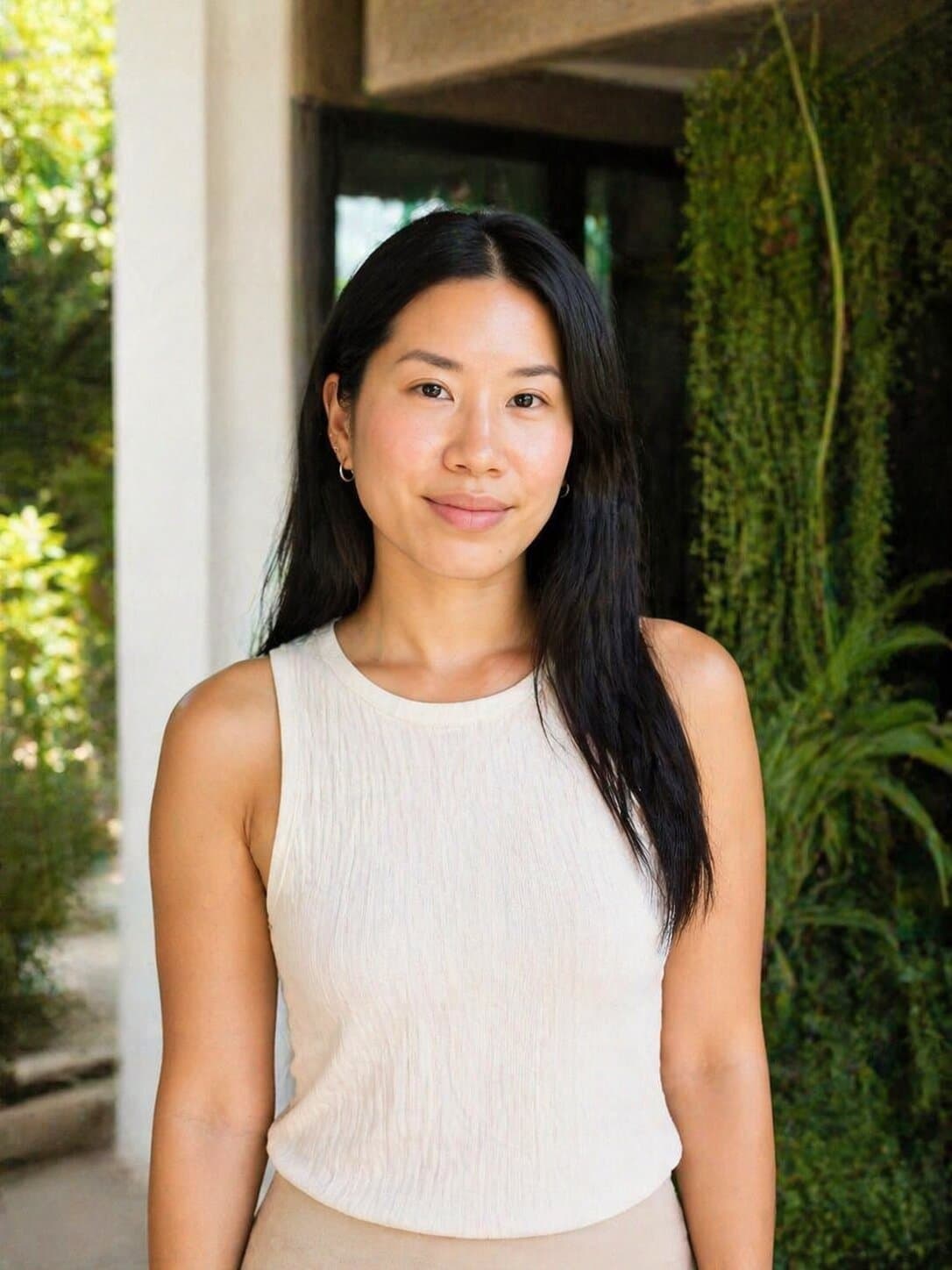
Nat
Co-founder, ClinicPins
Born and raised in Bangkok. Educated in the US. Personally visited every clinic we recommend.
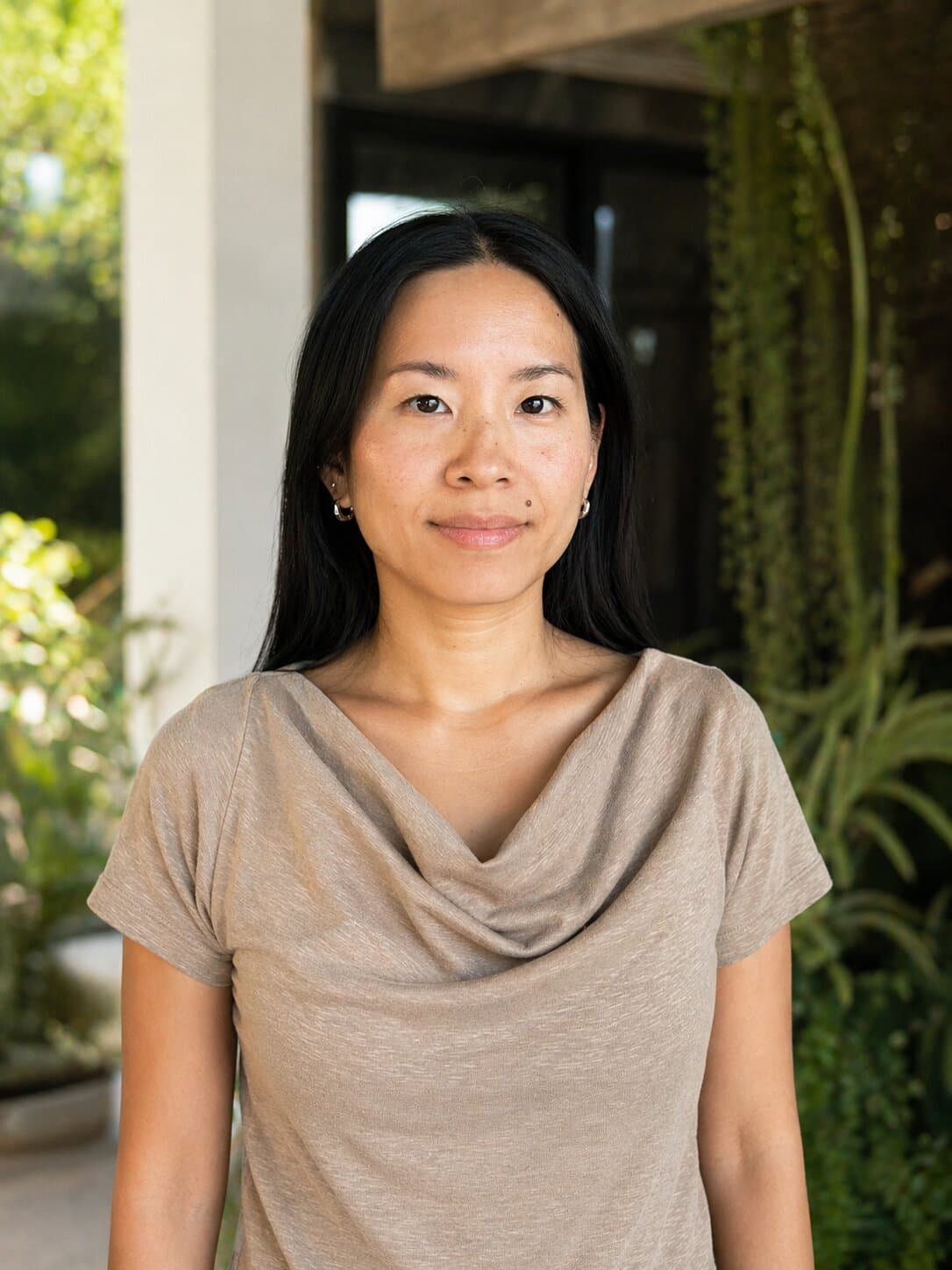
Nisha
Co-founder, ClinicPins
Fluent in Thai and English. Bridges the gap between international patients and Thai clinics.
We are concierge coordinators, not medical professionals. This content is for informational purposes only and does not constitute medical advice — always consult a board-certified surgeon for personalised recommendations. Meet the team
FAQ
Frequently asked questions
Mid-range Bangkok clinics charge $2,200–$4,000 per area for liposuction on its own at a ThPRS-certified plastic surgeon. Premium JCI-hospital clinics run $3,500–$6,500 per area. Multi-area / Lipo 360 sits at $4,500–$8,500 and VASER Hi-Def full-torso sculpting runs $7,000–$12,000. Compare to the US all-in average of $8,407 reported by ASPS.
Plan 7–10 days in Bangkok for a single-area case. That covers surgery, peak swelling on days 1–3, the first post-op check around day 4–5, and clearance for a short-haul flight from day 7. Multi-area or VASER Hi-Def cases usually stretch the Bangkok stay to 10–14 days, with long-haul flights cleared from day 10–14. Many patients turn the recovery window into a proper Thailand trip once cleared.
Modern liposuction, done on its own in an accredited facility, has a death rate of 0.009% (9 per 100,000 across 246,119 US outpatient cases) — about half the historical rate. A 2025 study of 69,424 patients put the overall complication rate at 1.16%. The Bangkok clinics we recommend run the same protocols: ThPRS-certified plastic surgeons, tumescent technique, Caprini-guided blood-clot prevention, and 4–6 weeks of compression. The biggest serious risk is still blood clots, at roughly 3 in 10,000 in modern accredited facilities.
Tumescent SAL is the baseline — a manual cannula in softer fat, and the most-studied technique worldwide. PAL adds a vibrating cannula tip that makes tougher fat (upper abdomen, back, male chest) easier to treat with less bruising. VASER (ultrasound-assisted liposuction) uses FDA-cleared ultrasound to melt fat selectively — in Bangkok it is usually marketed as Hi-Def lipo for athletic-look sculpting. Laser-assisted (SmartLipo) adds gentle skin-tightening and had the lowest complication rate in the 2025 study. A good surgeon picks the technique to match your anatomy.
You can, but doing both in one session pushes serious-complication risk up sharply. The safety data is strongest for liposuction on its own. Splitting the two procedures across separate Thailand visits (lipo first, tummy tuck three to six months later) is usually the safer call and lets you see how each surgery settles before the next.
Serious problems after you get home are uncommon — the overall complication rate is 1.16%. Lumpiness or bumps in the contour (about 2% in the 2024 review) is best judged at 3–6 months, not day 30. We send you home with a written post-op plan your GP or dermatologist can follow, we stay on WhatsApp with you, and we coordinate directly with the Bangkok surgeon if anything needs escalating. Revision policies are agreed up front. A confident surgeon has a written answer.
US, UK, Australian, Canadian, NZ, and Singapore passports can enter Thailand visa-free for 60 days under the current rules. That comfortably covers a 7–14 day liposuction trip, with room to extend. We confirm the current rule for your passport in your trip plan.
Still have questions? Talk to our concierge team
Ready to start planning?
Tell us what you're considering — even if you're just exploring. No commitment, no pressure.
ClinicPins receives referral fees from partner hospitals. This does not affect our recommendations or your price. Read our editorial policy.
Related
Related treatments
Tummy Tuck
Abdominoplasty — often paired with liposuction, though we usually recommend staging the two across separate visits.
Learn more
Mommy Makeover
Combined post-pregnancy body procedures — planned as a staged programme rather than a single surgery.
Learn more
Gynecomastia
Male chest reduction — liposuction plays a major role, often combined with gland excision.
Learn more