LASIK
in Thailand.
LASIK in Thailand takes 2 to 3 days. You arrive, get a 3D scan of your eyes, have the 20-minute laser procedure on both eyes the same day, return for a quick check the next morning, and fly home. Our Bangkok team handles the surgeon, the clinic, and a hotel within 15 minutes of the operating room. We've personally visited every clinic we recommend.
Last updated September 2026

“20/20 by day one. Half the Sydney quote.”
Matthew R. · Sydney, AU
LASIK in Thailand — about half the US price.
LASIK in Thailand costs $2,200 to $6,200 for both eyes at clinics with Thai Board-certified eye surgeons. The same surgery costs $4,000 to $9,000 in the US, AUD $5,500 to $10,000 in Australia, and £2,000 to £5,500 in the UK. Thai clinics use the same Zeiss and Alcon laser machines as top US and European clinics. You pay less because rent, wages, and insurance cost less in Thailand — not because the equipment is cheaper. See the four procedure options below for what sits at each price point.
🇹🇭Thailand
$2,200–$6,200
bilateral, standard LASIK to ReLEx SMILE
- Surgeon and laser-room fees for both eyes
- 3D scan of your eyes and a full prescription check before surgery
- Numbing eye drops and all medication used during surgery
- Next-day follow-up at the Bangkok clinic
- Antibiotic and anti-inflammatory eye drops for 1 to 2 weeks after surgery
- Protective eye shields and polarised sunglasses
Other Countries
- SMILE (the flapless option) costs 15 to 30% more at the same clinic
- PRK (the surface-only option) costs about the same as standard LASIK
- No concierge or travel coordination
Is LASIK in Thailand safe?
Yes, when you pick a surgeon certified by the Thai Board of Ophthalmology and a clinic using modern Zeiss or Alcon lasers. Not a cut-price clinic with old machines.
Thailand has more JCI-accredited hospitals than any other country in Southeast Asia. JCI is the same international standard used by top US hospitals. It covers more than 1,200 patient-safety and quality checks, re-audited every three years.
LASIK is one of the most-studied operations in the world. A large review of 97 studies covering 67,893 eyes found 99.5% of patients ended up with vision good enough to drive without glasses, and 98.5% said they were happy with the result. The FDA's PROWL follow-up studies found similar numbers in both everyday and military patients. With LASIK, the surgeon and the laser matter more than the clinic's name on the door. Certification by the Royal College of Ophthalmologists of Thailand is the credential to insist on.

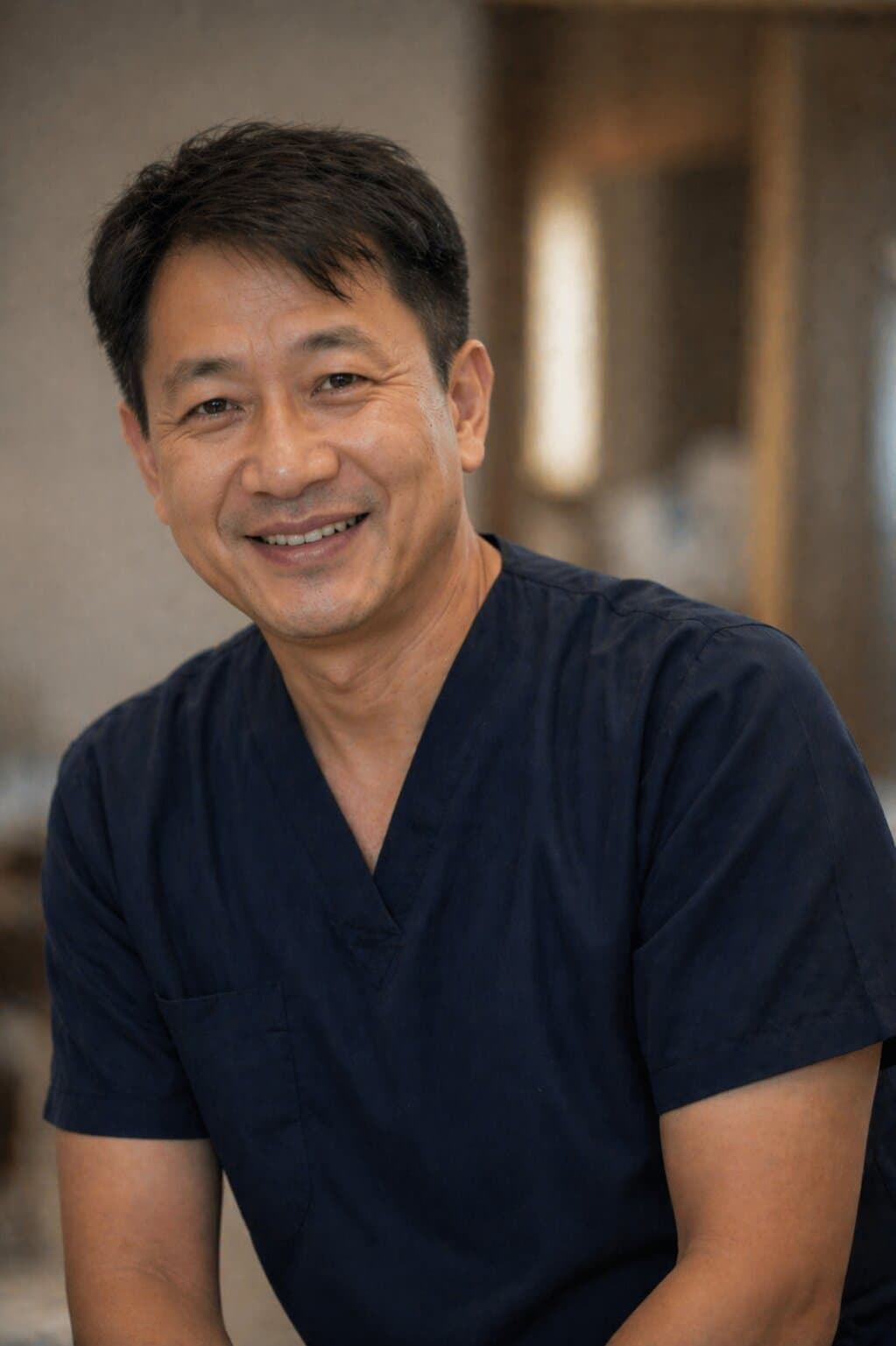
Nat
Co-founder, ClinicPins
99.5%
good enough to drive without glasses across 67,893 eyes in a modern LASIK review
98.5%
patient satisfaction from the same 97-study review. The FDA's PROWL follow-up studies found above 95% satisfaction.
< 0.5%
risk of cornea weakening with modern screening in a 2021 review. A good 3D scan of your eyes before surgery catches almost all the risk.
Ophthalmologist credentials that matter
Medical Council of Thailand + Thai Board of Ophthalmology
Every doctor working in Thailand must hold a current Medical Council of Thailand licence. For LASIK, the surgeon must also be certified by the Thai Board of Ophthalmology (set up by the Royal College of Ophthalmologists of Thailand, or RCOPT). You can confirm any surgeon's registration on the Medical Council of Thailand's public look-up tool.
ISRS or AAO membership
Senior LASIK surgeons usually hold international credentials on top of their Thai licence: membership of the International Society of Refractive Surgery (ISRS), or international member status with the American Academy of Ophthalmology (AAO). These show that the surgeon is recognised by peers abroad and keeps up with the latest LASIK techniques.
Modern laser machines
Top Thai eye centres use the Zeiss VisuMax (for SMILE and for making the flap in Femto-LASIK), the Alcon WaveLight EX500 or Zeiss MEL 90 (for reshaping the cornea), and Zeiss or Ziemer lasers for the bladeless flap. These are the same machines used in top US and European clinics. The laser does the same job in Bangkok as it does in New York or London.
What the research says
The largest modern LASIK review pulled together 97 studies covering 67,893 eyes. It found 99.5% of patients ended up with vision good enough to drive without glasses, 90.9% reached full 20/20 vision, and 98.5% were happy with the result. A separate 2017 review of 68 trials and 19,786 eyes found standard LASIK, Femto-LASIK, and SMILE all give similar vision. The bladeless versions hit the target prescription a bit more reliably. In plain English: laser vision correction is one of the most predictable operations in medicine. The surgeon and the laser matter more than the clinic's name on the door.
On SMILE versus LASIK, a 2023 review of 3,486 eyes across 26 studies found the two give the same sharpness of vision. SMILE causes a little less dry eye and gives slightly better contrast in low light at 3 to 6 months. SMILE has no flap. Instead, the surgeon removes a small disc of tissue from inside the cornea (a lenticule) through a 2 to 4 mm opening on the side. The cornea heals a bit faster, but the trip is the same length: surgery day, next-day follow-up, fly home. SMILE costs 15 to 30% more than Femto-LASIK and is not an option for every prescription — farsighted people, for example, are usually not candidates.
Risks to be aware of
LASIK is one of the safest elective operations there is, but it is still surgery. The most common side effect is short-term dry eye — up to 50% of patients at 1 week, dropping to under 20% by 6 months. Some people also see halos or glare around lights at night for a while; most clear up within 3 months. Flap problems are rare with modern lasers. The rarest but most serious issue is a slow weakening of the cornea after surgery (called ectasia). A good 3D scan of your eyes before surgery keeps this well under 0.5% by catching the warning signs before the laser starts. The US FDA's LASIK safety page is the best reference on risks and on who is a good candidate.
How to minimise risk:
- Pick a surgeon certified by the Thai Board of Ophthalmology, and ideally one who also holds an international credential (ISRS or AAO). Do not pick a clinic on price alone.
- Insist on a full 3D scan of your eyes before you pay. It is the one scan that catches a cone-shaped cornea (keratoconus) and a too-thin cornea before the laser starts.
- If your cornea is thin, your prescription is very strong, or you already have dry eye, expect to be offered PRK or SMILE instead of LASIK. Be cautious of any surgeon who waves these issues away and books you for standard LASIK.
- Use the prescribed antibiotic and anti-inflammatory drops on schedule for the full 1 to 2 weeks. Almost all infections are avoidable if you follow the schedule.
- Plan the full 2 to 3 days in Bangkok with the next-day follow-up booked in. Do not fly before that visit confirms the flap is seated correctly and your vision is healing as expected.
Pricing
How much does LASIK in Thailand cost by country?
Select your home country
You could save $1,800–$3,800 saved

Price ranges by clinic tier
Prices come from our own 2026 clinic research, checked against the published price pages of TRSC, Rutnin, and Bumrungrad. All ranges cover both eyes with nothing extra to pay. Standard LASIK sits at the lower end of each tier, the bladeless Femto-LASIK in the middle, and SMILE at the top. PRK is priced like standard LASIK.
Standard accredited centre
$2,200–$4,500
Save 40–65% vs 🇺🇸🇬🇧🇦🇺🇨🇦A specialty eye clinic with a Thai Board-certified eye surgeon. Modern Zeiss or Alcon laser machines. Standard LASIK and the bladeless Femto-LASIK are both offered. A few clinics in this tier also offer SMILE.
- Standard LASIK or bladeless Femto-LASIK, both eyes
- 3D eye scan before surgery
- Surgeon-led follow-up the day after surgery
- English-speaking clinical coordinator
Premium specialty / JCI hospital
$3,500–$6,200
Save 30–55% vs 🇺🇸🇬🇧🇦🇺🇨🇦A dedicated eye-surgery centre (TRSC, Rutnin) or an international hospital with JCI accreditation, the same patient-safety standard used by top US hospitals (Bumrungrad, Samitivej). Senior surgeons hold extra international credentials. SMILE is offered on the Zeiss VisuMax laser, and you get longer consultation visits.
- All four procedures: standard LASIK, Femto-LASIK, SMILE, or PRK
- Senior surgeon with extra international credentials (ISRS or AAO)
- Full set of pre-surgery scans, including a custom map of your cornea
- Hospital-grade operating room and a backup medical team
- Surgeons who publish research and report their case numbers
What's included — and what isn't
Typically included
- Full 3D eye scan, prescription check, and confirmation that you are a candidate for surgery
- Surgeon and laser-room fees for both eyes
- Numbing eye drops and all medication used during surgery
- Protective eye shields and polarised sunglasses for after surgery
- Next-day follow-up visit at the Bangkok clinic
- Antibiotic and anti-inflammatory eye drops for 1 to 2 weeks after surgery
- A written recovery plan in English that your optometrist back home can follow
Typically not included
- Upgrading from Femto-LASIK to SMILE+15 to 30% on the Femto-LASIK price
- Switching to PRK (if your eyes are not a good fit for LASIK)Same price as standard LASIK; a healing-aid medication may add ฿3,000 to ฿6,000
- Custom laser shaping mapped to your specific eye+฿10,000 to ฿30,000 per eye
- Touch-up surgery within 12 monthsOften included; confirm with the clinic
- Recovery hotel (2 to 3 nights)฿2,500 to ฿8,000 per night
- Flights, airport transfers, insuranceVaries by origin
- Preservative-free lubricating drops for longer travel฿300 to ฿800 per bottle
Options
Which LASIK procedure suits you
There are four laser eye procedures done in Thailand today. They all end up with similar vision. The right choice for you depends on your prescription, the thickness of your cornea, your lifestyle, and your budget. Your surgeon decides after the Day 1 scan.
Standard LASIK
The surgeon uses a small blade to cut a thin flap in the surface of the cornea, folds it back, reshapes the cornea underneath with a laser, then puts the flap back in place. The flap sticks down on its own — no stitches. This is the oldest of the four procedures and still works well for straightforward prescriptions.
Surgery time
About 20 minutes total for both eyes.
Best for
Straightforward short or long sight with a healthy cornea.
Recovery
Good vision next day; full healing over 1 to 3 months.
Trip pattern
2 to 3 days in Bangkok: scan, surgery, next-day check.
$2,200–$3,400
Save 45–65% vs home“Standard LASIK is the budget choice, but it is still a modern, safe operation. We only recommend it when your scan shows a healthy, thick cornea — at which point the result is essentially the same as the bladeless version.”
Nat
Co-founder, ClinicPins
Femto-LASIK (bladeless)Most common
The same idea as standard LASIK, but the surgeon uses a second laser to make the flap instead of a blade. The laser cut is more precise and a little safer. This is the version most people get in Thailand today, and the one most modern clinics default to. It costs a bit more than standard LASIK because of the extra laser.
Surgery time
About 20 to 30 minutes total for both eyes.
Best for
Most patients with a healthy cornea who want the safest flap method.
Recovery
Good vision next day; full healing over 1 to 3 months.
Trip pattern
2 to 3 days in Bangkok: scan, surgery, next-day check.
$3,000–$4,800
Save 40–60% vs home“Femto-LASIK is what most patients walk out with. The laser-made flap is more even than a blade cut, and the price difference over standard LASIK is small enough that we recommend it as the default choice.”
Nat
Co-founder, ClinicPins
SMILE (no flap)
SMILE skips the flap entirely. Instead, the surgeon uses a single laser to shape a small disc of tissue inside the cornea (called a lenticule) and lifts it out through a 2 to 4 mm opening on the side. Less of the cornea's surface is disturbed, so there is usually less dry eye and faster surface healing. The trip length is the same as LASIK. SMILE is not an option for everyone — farsighted patients are usually not candidates.
Surgery time
About 15 to 20 minutes total for both eyes.
Best for
Short-sighted patients, anyone with mild dry eye, and active lifestyles (no flap to dislodge).
Recovery
Good vision next day; less dry eye than LASIK at 3 to 6 months.
Trip pattern
2 to 3 days in Bangkok: scan, surgery, next-day check.
$4,000–$6,200
Save 30–55% vs home“SMILE is the more comfortable option for people who already get dry eyes — and for people who play contact sports, since there is no flap that could shift later. It costs more, and it is not for every prescription, so the scan decides.”
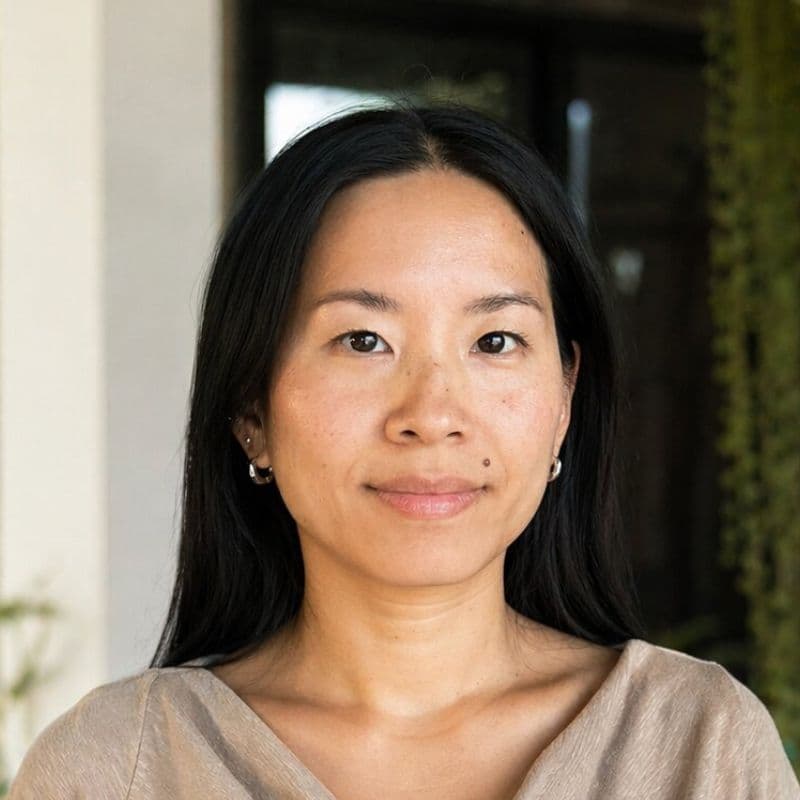
Nisha
Co-founder, ClinicPins
PRK (surface only)
PRK is the original laser eye surgery. There is no flap and no cut into the deeper cornea — the surgeon gently removes the surface skin of the cornea, reshapes the cornea with a laser, and the surface heals back on its own over a few days. Final vision is the same as LASIK, but you need the full week to get there. PRK is the right choice for thin corneas, people in contact sports, or anyone who is otherwise a borderline LASIK candidate.
Surgery time
About 15 to 20 minutes total for both eyes.
Best for
Thin corneas, contact-sport athletes, military and police candidates.
Recovery
5 to 7 days for the surface to grow back; clear vision by week 2.
Trip pattern
5 to 7 days in Bangkok recommended (longer recovery before flying).
$2,200–$3,400
Save 45–65% vs home“PRK gets a bad reputation because the recovery is slower, but the final vision is the same as LASIK. For thin corneas or people who take knocks to the face, it is the better long-term choice.”
Nisha
Co-founder, ClinicPins
Your Trip
Your LASIK trip to Thailand
LASIK is the shortest surgery we plan. A typical schedule: arrive Sunday afternoon, have your eye scan Monday morning, surgery Monday afternoon, follow-up Tuesday morning, fly home Tuesday evening. Or stay on and turn the trip into a holiday.
Phase 1
Before you arrive
4–6 weeks out
- Send us your current glasses or contact-lens prescription (from the last 12 months), a short medical history, and any past eye-clinic reports on WhatsApp.
- Have a video consultation with your chosen surgeon. They will give you a likely shortlist of which procedures (standard LASIK, Femto-LASIK, SMILE, or PRK) suit you. The final decision is made after the in-person eye scan on Day 1.
- We book your scan, the surgery itself, your follow-up, a 2 to 3 night hotel within 15 minutes of the clinic, and all transfers.
- Stop wearing soft contact lenses 5 to 7 days before your scan, and hard contact lenses 2 to 3 weeks before. Contact lenses change the shape of your eye and throw off the scan.
- Plan a quiet 24 to 48 hours in Bangkok around surgery day. From Day 3 you can travel onward — your surgeon will clear you for both short and long flights at the next-day follow-up.
“We plan LASIK trips around two dates: the pre-op scan and the day-1 follow-up. Everything else works backwards from those two visits — hotel, transfers, the quiet afternoon in the dark after surgery.”
Nisha
Co-founder, ClinicPins
Phase 2
Surgery day and the day-1 clearance
Day 1 to Day 3
Day 1 morning
A 3D scan of your eyes, a full prescription check, and the final decision on which procedure suits you. If the scan clears you for LASIK, you have surgery that afternoon. If not, the surgeon explains why and offers PRK or SMILE instead — and may move surgery to Day 2.
Day 1 afternoon
Surgery on both eyes with numbing eye drops. No needles, no sedation. About 15 minutes per eye, 20 to 30 minutes total in the laser room. You leave wearing protective eye shields and sunglasses. Your vision is hazy at first but good enough to walk out.
Day 2
The next-day follow-up at the clinic. The surgeon checks your vision (most people are good enough to drive at this visit), inspects the eye, and signs the form that clears you to fly. International guidelines clear flying 24 hours after LASIK once this check is done.
Day 3
Fly home, or stay on with sunglasses outdoors and your drops on schedule. No swimming and no contact sport for 4 weeks. Desk work and driving are usually fine from Day 2.
“The day-1 follow-up is non-negotiable. Every Thai LASIK surgeon insists on it, every international guideline insists on it, and it's the visit that confirms the flap is seated before we put you on a plane.”
Nat
Co-founder, ClinicPins
That’s the plan. Yours gets built around your dates.
Tell us roughly when you’re free and we’ll come back with a schedule that fits, including recovery time before you fly.
Recovery
You're here anyway. Make a trip of it.
Most LASIK patients are cleared to fly, drive, and wear polarised sunglasses outdoors from Day 2 after the follow-up check. Once your ophthalmologist signs off, our concierge team can plan the rest of your stay wherever you'd like — most patients build a week of Thailand around the treatment.
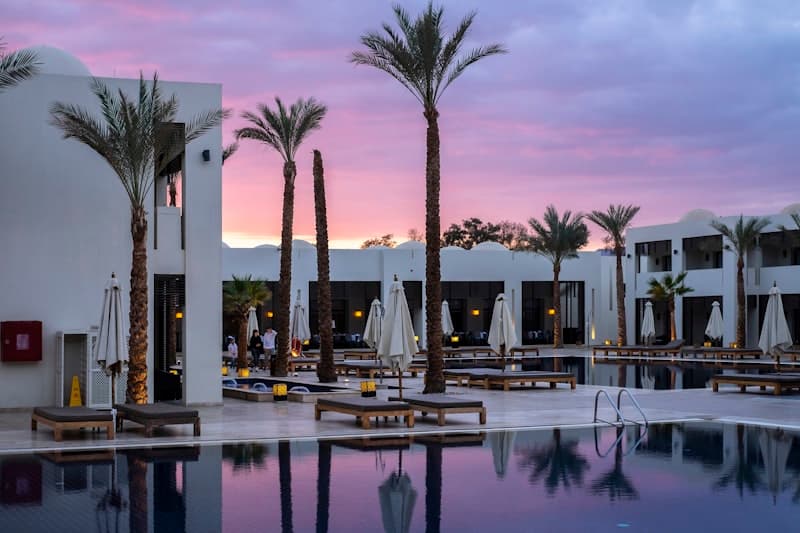
Stay in Bangkok
Sukhumvit, Silom, or Siam. Serviced apartments or boutique hotels 15 minutes from your clinic, rooftop pools off-limits for the first week but plenty of covered-mall shopping, restaurants, and the old city to explore in sunglasses.
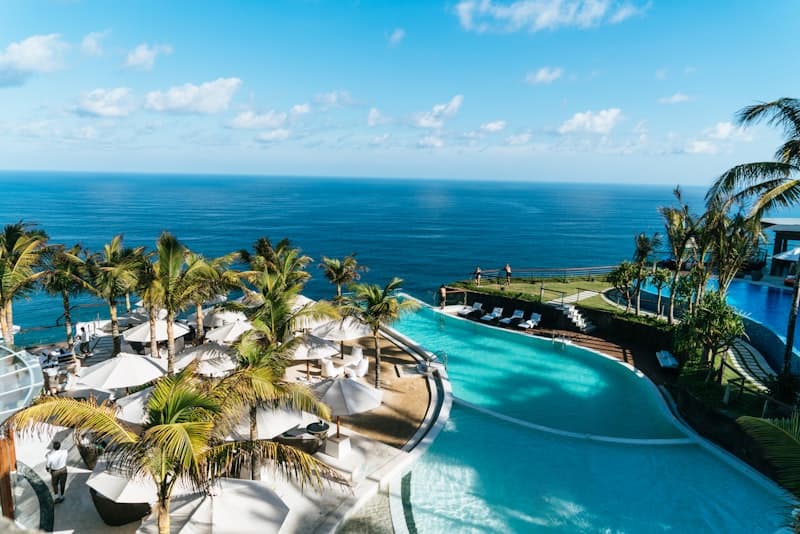
Head to the Beaches
Phuket, Krabi, or Koh Samui — a 1-hour domestic flight south once your Day 2 clearance is signed. Wide-brim hat, polarised sunglasses, and the lubricating drops your ophthalmologist prescribed cover the beach day. No diving or ocean swimming for 4 weeks.
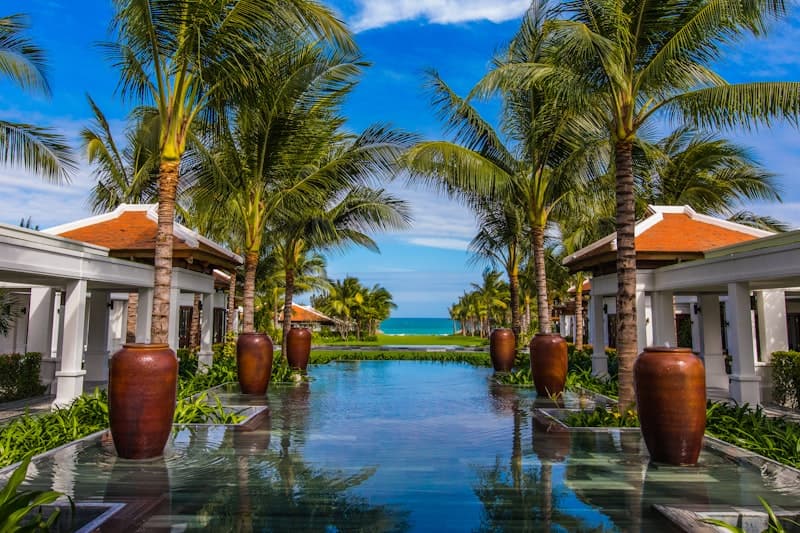
Escape to the Mountains
Chiang Mai in the north is cooler than Bangkok in hot season and easier on recovering eyes — less glare, less air-conditioning strain. Short drives out to hot-springs spa hotels, cafés in the old city, and quieter evenings for the first week of adjusting.
“Most of our LASIK patients build the trip around the treatment, not the other way around. We book the hotels, domestic flights, and transport so you can focus on the fun half — with polarised sunglasses and the drops on schedule.”
Nat
Co-founder, ClinicPins
Partner Hospitals
LASIK clinics in Bangkok
Three clinics we have worked with. Each surgeon holds more than the basic Thai medical licence: certification by the Thai Board of Ophthalmology, and in most cases extra international credentials (ISRS or AAO). Modern Zeiss and Alcon lasers are the standard at all three, not an upgrade.
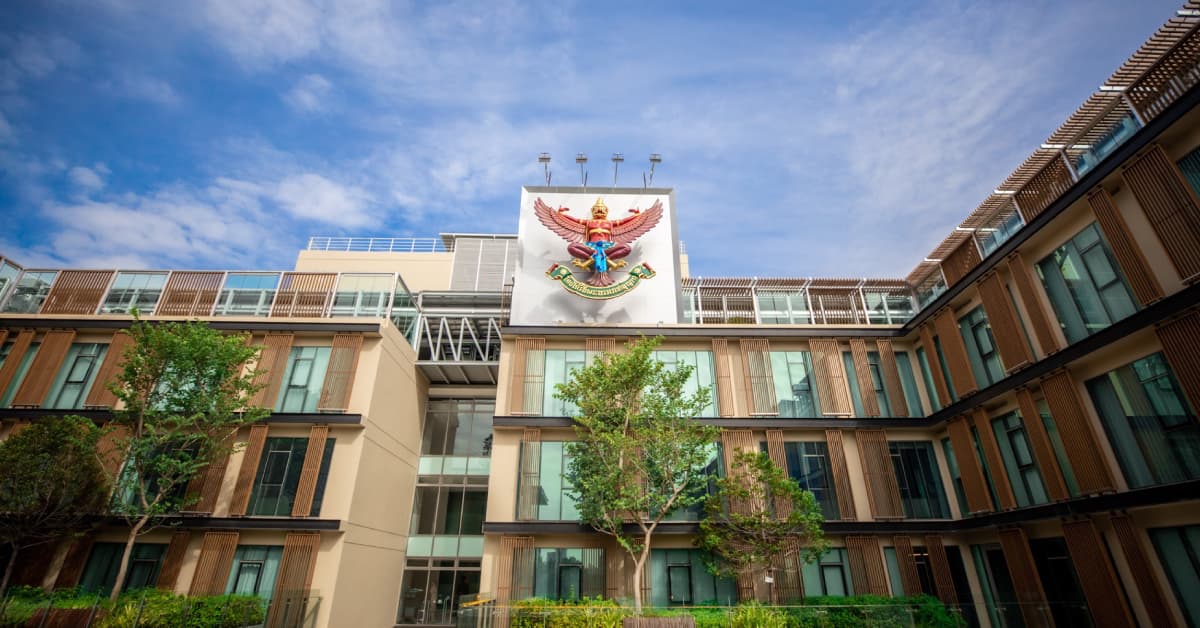
Bangkok International Hospital
JCISoi Soonvijai, Bangkok
JCI-accredited since 2007
Flagship of the Bangkok Hospital Group with multilingual staff and a full surgical program across cosmetic, dental, and general medicine.
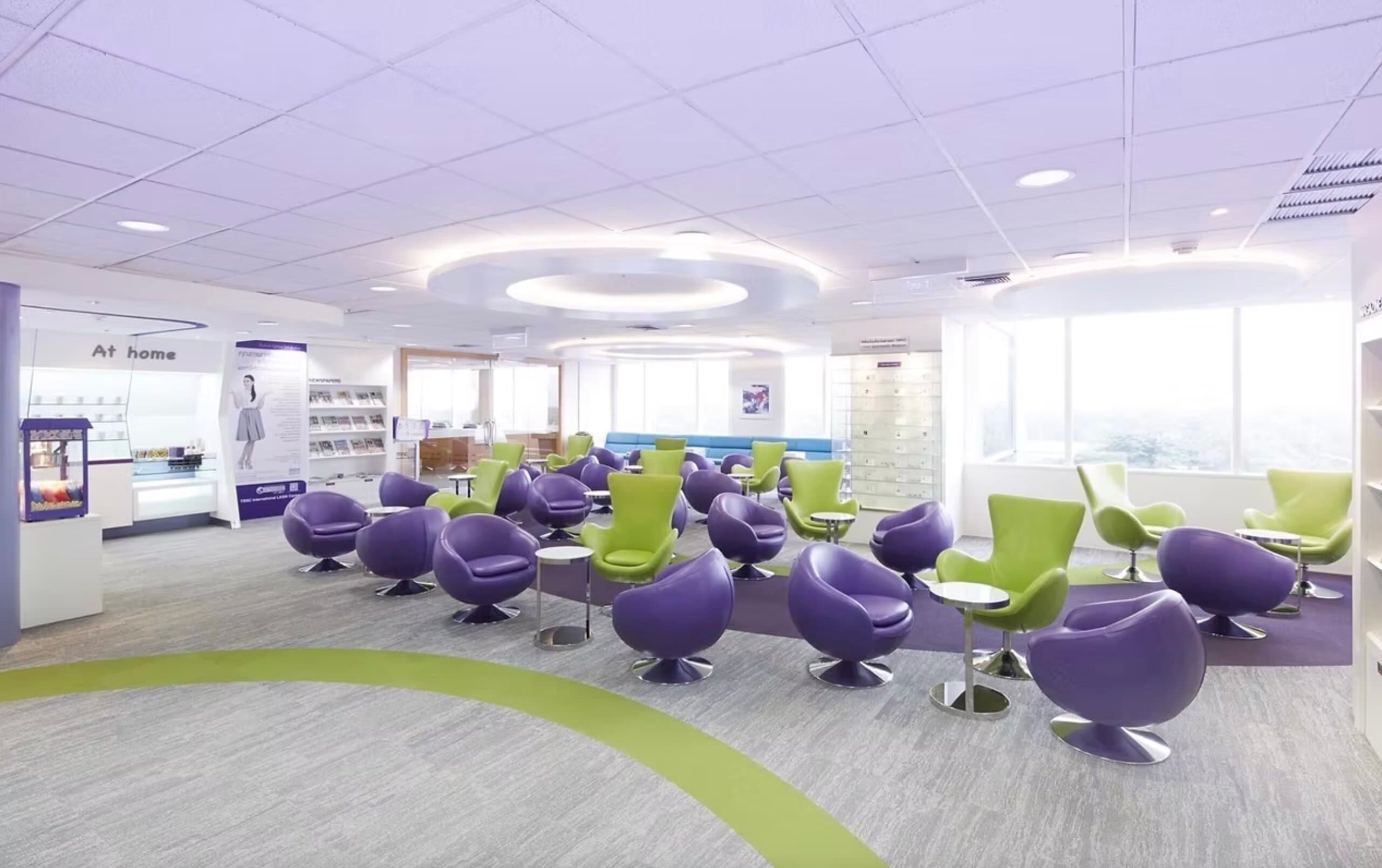
TRSC International LASIK Center
EyeSilom, Bangkok
Dedicated laser vision-correction centre — 102,000+ eyes treated
A standalone eye and vision centre led by medical director Dr. Ekktet Chansue, offering ReLEx SMILE, FemtoLASIK, PRK, and ICL alongside cataract and retinal care.
Not sure which hospital?
Our team can match you with the right hospital based on your goals, body type, and budget.
Talk to UsYour eye surgeon
How to choose your LASIK surgeon
Before booking with any surgeon, ask these questions. Most are happy to answer on a video call before you commit:
Every eye surgeon in Thailand must be on the Medical Council of Thailand register. For LASIK, the surgeon must also be certified by the Thai Board of Ophthalmology, the national body for eye specialists (set up by the Royal College of Ophthalmologists of Thailand, or RCOPT). You can confirm any registration number on the Medical Council of Thailand's public look-up tool before your consultation.
Look for membership of the International Society of Refractive Surgery (ISRS) or international member status with the American Academy of Ophthalmology (AAO). These are two extra credentials that show the surgeon keeps up with current research and best practice — on top of the Thai licence.
Expect modern Zeiss or Alcon machines: Zeiss VisuMax (used for SMILE and for making the flap in Femto-LASIK), and Alcon WaveLight EX500 or Zeiss MEL 90 (used to reshape the cornea). An honest surgeon will explain whether standard LASIK, Femto-LASIK, SMILE, or PRK suits your cornea thickness, prescription, and lifestyle — rather than pushing the same procedure on every patient.
The answer should be yes. A 3D scan of your eyes (Scheimpflug tomography or anterior-segment OCT, on machines such as Pentacam or Galilei) is what catches a cone-shaped cornea (keratoconus), a too-thin cornea, and the rare slow weakening of the cornea after surgery (called ectasia). A plain prescription check on its own is not enough.
Case volume is a good signal of skill, especially for SMILE, which is a more difficult technique. Ask for the surgeon's yearly volume in the exact procedure you are planning. Senior surgeons at dedicated centres usually treat 500 or more patients (both eyes each) per year.
Touch-up rates at high-volume LASIK clinics typically run 2 to 5%. A confident surgeon will quote their own rate and have a written touch-up policy (often free or at cost within 12 months). If the clinic will not share a number, keep asking.
We send you home with a written post-op plan your local optometrist or ophthalmologist can follow, including slit-lamp photos, medication list, and red-flag symptoms. We stay on WhatsApp, and we coordinate directly with your Bangkok ophthalmologist if anything needs escalating. Most queries resolve with a photo and a reply inside 24 hours.
How we verify
We ask every clinic to show us the surgeon's Medical Council of Thailand registration number, their Thai Board of Ophthalmology certificate, proof of ISRS or AAO membership, service records for their laser machines, and yearly case numbers (with patient details removed). If a clinic will not share these before you book, we do not recommend it.
Patient Stories
What patients say
All reviews are from verified patients who received treatment at the clinic they're reviewing. All photos shared with explicit written consent.
“Sydney quoted AUD $7,200 bilateral for Femto-LASIK. TRSC did the same operation on Zeiss MEL with a senior ophthalmologist for AUD $3,400, including the full Pentacam workup and day-1 follow-up. 20/20 by the day-1 check, on the plane home that evening.”
Matthew R.
Femto-LASIK bilateral, TRSC International
“US quoted $8,400 for SMILE. Rutnin did it for $5,600 with an AAO International Member ophthalmologist, the full Scheimpflug scan, and an English-speaking coordinator who held my hand through every visit. Almost no dry-eye compared to colleagues who had standard LASIK at home.”
Jessica L.
ReLEx SMILE bilateral, Rutnin Eye Hospital
“Harley Street clinics quoted £4,800 for bilateral LASIK. Bumrungrad did the same procedure inside a JCI hospital for £2,200 with a senior ophthalmologist. Booked four extra days in Krabi after the day-1 follow-up and flew home with 20/15 uncorrected.”
Oliver P.
Standard LASIK bilateral, Bumrungrad Eye Center
“Toronto quoted CAD $6,400. TRSC did bilateral Femto-LASIK for CAD $4,100 with a Zeiss platform and a full pre-op workup. I'd worn glasses since age 11 — walking out of the clinic on day 1 seeing the Bangkok skyline clearly was surreal.”
Chloe V.
Femto-LASIK bilateral, TRSC International
All photos shared with explicit written consent. Results vary by individual.
See more treatmentsResearched & written by
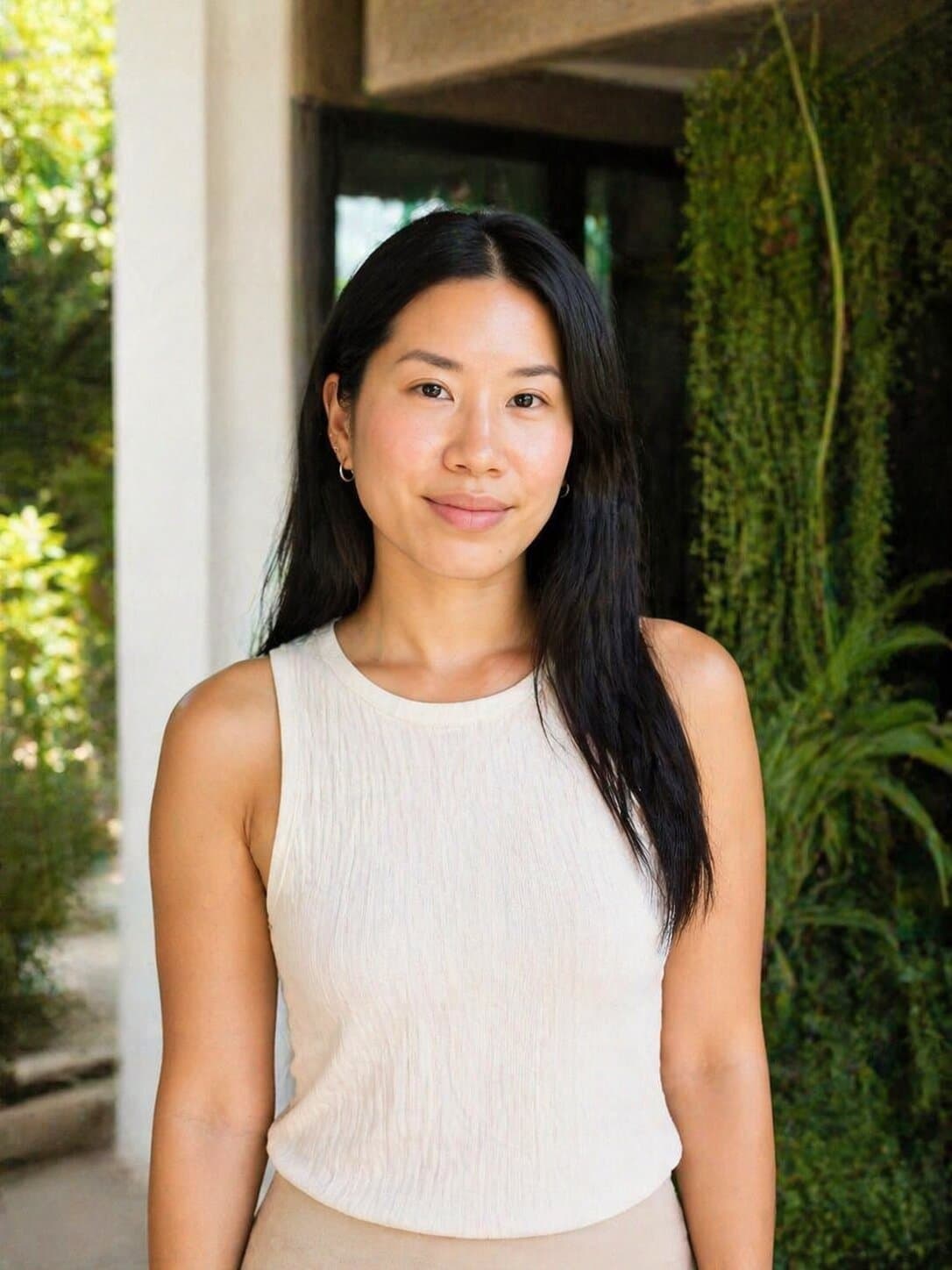
Nat
Co-founder, ClinicPins
Born and raised in Bangkok. Educated in the US. Personally visited every clinic we recommend.
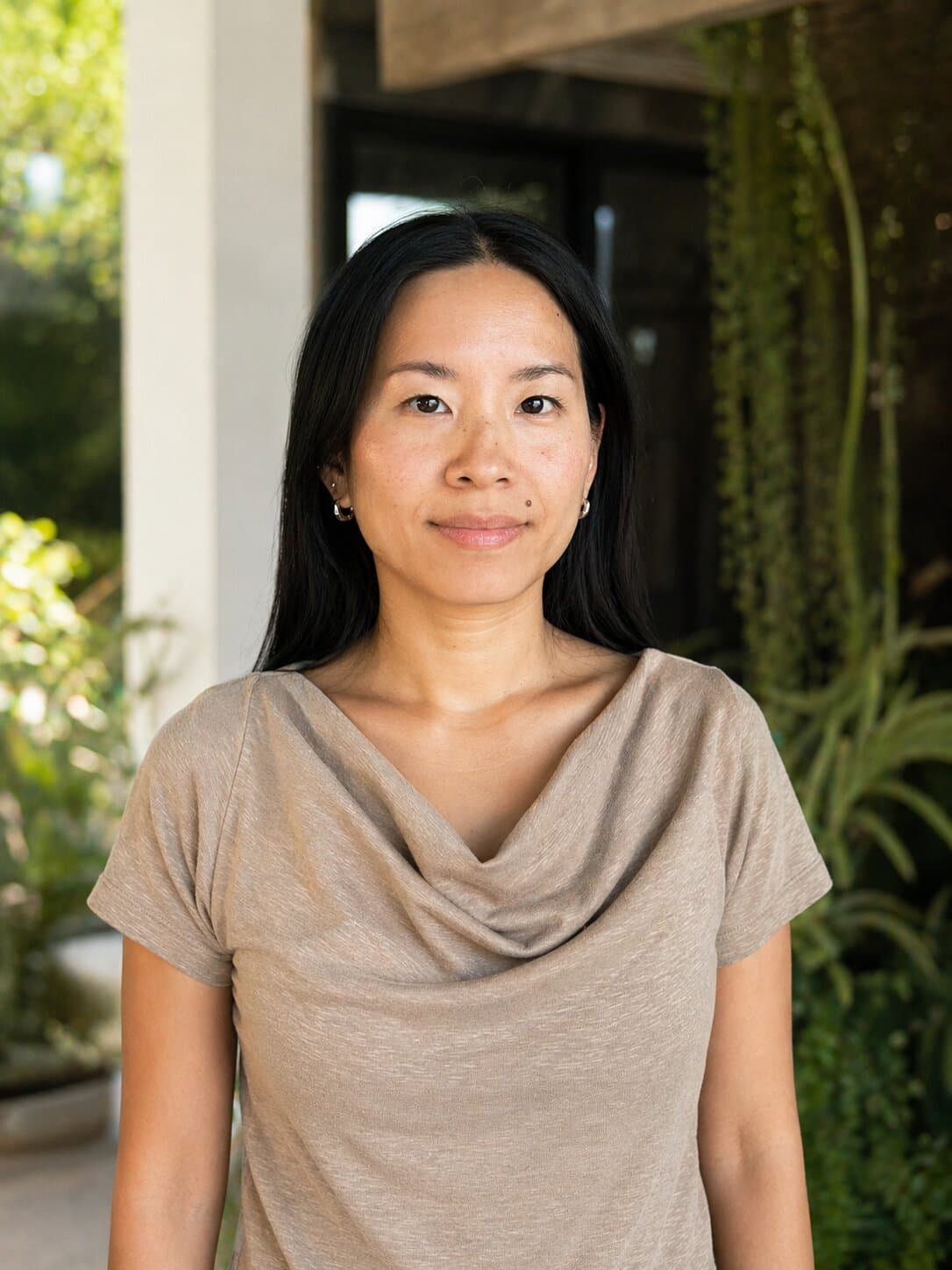
Nisha
Co-founder, ClinicPins
Fluent in Thai and English. Bridges the gap between international patients and Thai clinics.
We are concierge coordinators, not medical professionals. This content is for informational purposes only and does not constitute medical advice — always consult a board-certified surgeon for personalised recommendations. Meet the team
FAQ
Frequently asked questions
Standard LASIK at clinics with Thai Board-certified eye surgeons costs $2,200 to $3,400 for both eyes. The bladeless version (Femto-LASIK) costs $3,000 to $4,800. SMILE, the flapless option, costs $4,000 to $6,200. International hospitals like Bumrungrad sit at the top of each range. The same surgery costs $4,000 to $6,000 for standard LASIK in the US, and up to $9,000 for SMILE — on the same Zeiss and Alcon machines. You pay less because the cost of running a clinic in Bangkok is lower, not because the equipment is.
Plan 2 to 3 days in Bangkok. Day 1 is your eye scan and the surgery itself (about 30 minutes in the laser room). Day 2 is the next-day follow-up — vision check, eye inspection, and the sign-off that clears you to fly. On Day 3 you fly home, or stay on for a week in Phuket or Chiang Mai. Flying before the Day 2 check is not cleared by any international guideline.
In a review of 67,893 eyes across 97 studies, 99.5% of modern LASIK patients ended up with vision good enough to drive without glasses, and 98.5% said they were happy with the outcome. The FDA's own PROWL follow-up studies found similar numbers. These results apply when the surgery is done by a Thai Board-certified eye surgeon on a modern laser — the surgeons at the international hospitals and specialty eye centres we recommend. Pick the right surgeon, pick the right laser.
Most people can see well enough to drive by the next-day follow-up, and most are cleared for driving and desk work from Day 2. Screen work is fine from Day 3 with your prescribed lubricating drops. Light exercise from Day 7. No swimming, diving, or contact sport for 4 weeks — water can cause infection and a knock can move the flap. Wear sunglasses outdoors for the first week to reduce glare and protect against UV while your eyes heal.
Standard LASIK uses a tiny blade to cut a thin flap in the cornea, folds it back, and reshapes the cornea underneath with a laser. Femto-LASIK is the same procedure but uses a laser to make the flap instead of a blade — the bladeless version. SMILE skips the flap entirely: the surgeon removes a small disc of tissue (a lenticule) through a 2 to 4 mm opening on the side of the cornea. PRK also has no flap — the surgeon reshapes the surface of the cornea instead. PRK is the usual choice for people with a thin cornea or who play contact sports. A 2023 review of 3,486 eyes found SMILE and LASIK give the same final vision. SMILE causes a little less dry eye. PRK takes longer to heal but ends up at the same place.
About 1 in 5 patients are offered PRK, SMILE, or ICL (an implanted lens) instead of standard LASIK after their eye scan. The most common reasons: a too-thin cornea, dry eye, or a prescription too strong for a safe flap. This is not a failure of the process — the Day 1 scan is designed to catch it. Your surgeon will explain your other options at the same visit. PRK takes longer to heal (5 to 7 days as the surface grows back) but ends up with the same final vision. SMILE keeps the trip almost the same length as LASIK.
Travellers from the US, UK, Australia, Canada, New Zealand, and Singapore can enter Thailand for up to 60 days without a visa under the current rules — more than enough for the 2 to 3 day LASIK trip or a 2-week combined trip. We confirm the current rule for your passport in your trip plan.
Still have questions? Talk to our concierge team
Ready to start planning?
Tell us what you're considering — even if you're just exploring. No commitment, no pressure.
ClinicPins receives referral fees from partner hospitals. This does not affect our recommendations or your price. Read our editorial policy.
Related
Related treatments
Blepharoplasty
Eyelid surgery. The right choice when your vision is blocked by drooping eyelids rather than by your prescription.
Learn more
Facelift
Lifts and repositions the soft tissue of the midface and jawline. Often paired with LASIK by patients in their 40s and 50s planning a broader refresh.
Learn more
Rhinoplasty
Nose reshaping. A common add-on when patients want to combine LASIK with other facial work on a single trip to Thailand.
Learn more