Tummy Tuck
in Thailand.
Tummy tuck in Thailand is a 10–14 day concierge plan: surgery on day two, five to ten days with drains in Bangkok, and flight clearance from about day ten. Our Bangkok team books the ThPRS-certified plastic surgeon, the accredited hospital, and a recovery hotel ten minutes from the clinic. We've personally visited every clinic we recommend.
Last updated September 2026
“Saved about $9,000 versus Sydney.”
Rachel M. · Sydney, AU
Tummy tuck in Thailand — about half the cost of the US.
Full tummy tuck at mid-range Bangkok clinics runs $3,800–$6,500 all-in, including the plastic surgeon, the accredited hospital theatre, a 1–2 night inpatient stay, and the four-to-six-week compression garment. That's roughly half the US all-in range of $8,000–$15,000 reported by ASPS, and about 55–65% less than Australia (AUD $12,000–$22,000) — at ThPRS-certified plastic surgeons operating in the same JCI-accredited or Thai-Ministry-accredited facilities your surgeon at home would recognise.
🇹🇭Thailand
$3,800–$6,500
full tummy tuck at mid-range Bangkok clinics, all-in
- Surgeon fee (ThPRS-certified plastic surgeon)
- Accredited hospital theatre and general anaesthesia
- 1–2 night inpatient stay (standard case)
- Sequential compression devices and VTE prophylaxis
- Compression garment for the 4–6 week recovery
- Drain tubes, prophylactic antibiotics, and analgesics
- 2–3 in-country post-op reviews
Other Countries
- Extended, fleur-de-lis, or lipoabdominoplasty adds $1,500–$4,000
- Combined breast procedure is quoted separately and usually staged
- No concierge, hotel, or travel coordination
Is a tummy tuck in Thailand safe?
Yes — in the hands of a ThPRS-certified plastic surgeon operating in an accredited Bangkok hospital with full general-anaesthesia support and a standardised blood-clot risk protocol (Caprini scoring). The largest modern study tracked 25,478 tummy tuck patients and found 4% had a serious complication, with blood clots (DVT and pulmonary embolism) in 0.35%. The Bangkok clinics we recommend match that protocol.
Thailand hosts more JCI-accredited healthcare organisations than any country in Southeast Asia. Its standards cover over 1,200 patient-safety and quality measures, re-audited every three years. Bumrungrad International was the first hospital in Asia to earn JCI accreditation, in 2002, and remains continuously accredited.
The ISAPS 2024 Global Survey ranks Thailand among the top destinations worldwide for international aesthetic-surgery patients — alongside Mexico and Colombia. Volume is a reason for rigour in surgeon selection, not a reason to relax it.

Nat
Co-founder, ClinicPins
4.0%
serious complication rate across 25,478 patients in a big 2015 study — 3.1% for tummy tuck alone, rising to 6.8% when combined with other body-contouring surgery in one session
0.35%
rate of blood clots (DVT and pulmonary embolism) in the same study — the headline serious risk, kept low with a blood-clot risk score, leg-squeezing compression devices in theatre, and walking within 24 hours
85–95%
patient satisfaction at 12 months in a published patient-satisfaction study — scar length and placement are the most common lingering complaint, which is why planning the scar before surgery matters
Surgeon credentials that matter
Medical Council of Thailand registration
Every physician practising in Thailand must hold an active Medical Council of Thailand licence under the Medical Profession Act B.E. 2525. The public licence-verification tool lets you confirm any doctor's registration directly by name or licence number. This is the statutory baseline we verify before we recommend any surgeon.
ThPRS plastic-surgery certification
A tummy tuck is a plastic-surgery operation — muscle repair, skin removal, moving the belly button. A general surgeon or cosmetic-only practitioner is not the right fit for this procedure, even with a Thai medical licence. The Society of Plastic and Reconstructive Surgeons of Thailand (ThPRS) is the national plastic-surgery body and the Thai chapter of the International Confederation for Plastic, Reconstructive and Aesthetic Surgery (IPRAS). ThPRS membership requires 6+ years of Royal College of Surgeons of Thailand subspecialty training plus the Thai Medical Council specialty exam — the Thai equivalent of ABPS certification in the US.
Accredited facility with full anaesthesia support
A tummy tuck is not an outpatient procedure — it's a 2–5 hour case under general anaesthesia with a 1–2 night hospital stay. The Bangkok clinics we recommend operate in JCI-accredited hospitals or Thai-Ministry-of-Public-Health-accredited surgical hospitals with full anaesthesia teams, overnight inpatient beds, leg-squeezing compression devices in the theatre, and blood-clot prevention protocols that follow published body-contouring guidance.
What the research says
Tummy tuck safety has been studied in big modern databases. The largest modern study tracked 25,478 tummy tuck patients and found 4% had a serious complication. The rate moved sharply depending on what else was done in the same session: tummy tuck alone 3.1%, tummy tuck plus liposuction 3.8%, tummy tuck plus a breast procedure 4.3%, and tummy tuck plus other body-contouring surgery 6.8% — more than double the rate for the tummy tuck on its own. The takeaway is simple: combining procedures raises risk more than you'd expect, and splitting them across two trips is usually safer for medical tourists.
A detailed 2007 case series of 206 patients gives the clearest breakdown of what actually happens: seroma (a fluid pocket under the skin) 8.3%, wound separation 5.8%, infection 3.9%, skin necrosis 2.9%, hematoma (a blood collection under the skin) 1.9%, DVT (a clot in the leg) 1.0%, pulmonary embolus (a clot in the lung) 0.5%, no deaths. Blood clots are the most serious risk historically — kept low today through standardised prevention protocols in accredited facilities. A 2012 patient-satisfaction study puts one-year satisfaction at 85–95%; scar length and placement are the most common lingering complaint, which is why planning the scar with your surgeon before surgery matters as much as the operation itself.
Risks to be aware of
A tummy tuck is major surgery, not a same-day procedure. The things to watch for, in order of how often they come up, are seroma — a fluid pocket under the skin — (5–8% in modern studies), wound separation (around 6%), infection (roughly 2–4%), skin necrosis (under 3%), hematoma — a blood collection under the skin — (1%), and blood clots in the legs or lungs (0.35% overall in the 2015 study of 25,478 patients, with confirmed lung clots at 0.19%). Smoking more than doubles the wound-complication rate — stop smoking four to six weeks before surgery, non-negotiable. Combining a tummy tuck with other body-contouring surgery in one session raised the serious-complication rate from 3.1% to 6.8% in that same study, which is why we often recommend splitting lipo, breast, and other body procedures across separate trips.
How to minimise risk:
- Choose a ThPRS-certified plastic surgeon operating in a JCI-accredited or Thai-Ministry-accredited hospital — not a cosmetic clinic offering tummy tucks as a side service
- Be a good candidate before you book: BMI close to your realistic goal, non-smoker for 4–6 weeks, and any chronic conditions (diabetes, high blood pressure) well-controlled
- Expect drain tubes for 5–10 days, a compression garment continuously for 4–6 weeks, and no core exercise or lifting above 10 lb until week 6 — the muscle repair needs the full window to heal
- Plan to stay 10–14 days in Bangkok for a standard tummy tuck; 14–21 days for an extended, fleur-de-lis, or tummy tuck combined with liposuction (lipoabdominoplasty), which carries a higher complication profile
- Verify the clinic's Medical Council of Thailand registration and ThPRS membership for the lead surgeon before you book, and ask exactly how they prevent blood clots — risk score, leg-squeezing compression devices in theatre, and walking within 24 hours
Pricing
How much does a tummy tuck in Thailand cost by country?
Select your home country
You could save About half the US all-in price

Price ranges by clinic tier
Prices based on our 2026 clinic research, cross-referenced with ThPRS-member Bangkok clinics and JCI-hospital published fee schedules. Ranges are all-in for a full (standard) abdominoplasty — mini is typically 25–40% less; extended, fleur-de-lis, and lipoabdominoplasty are typically 25–45% more.
Budget Clinics
Not recommended
—Cosmetic-only clinics offering tummy tucks without a ThPRS-certified plastic surgeon, or without overnight inpatient capability and full anaesthesia support. We do not recommend this tier for international patients. A tummy tuck is a 2–5 hour general-anaesthesia operation with a 1.1% rate of blood collections under the skin and a 0.35% blood-clot rate — the credential and facility gap is not worth the savings.
- Skip this tier entirely
- The $500–$1,200 a budget clinic saves doesn't cover one drain revision
- Use the two tiers below instead
Mid-Range Specialty
$3,800–$6,500 all-in
Save 45–60% vs 🇺🇸🇬🇧🇨🇦ThPRS-certified plastic surgeon operating in a Thai-Ministry-of-Public-Health-accredited aesthetic-surgery hospital or high-volume specialist day-hospital with overnight inpatient beds. General anaesthesia, sequential compression devices, Caprini scoring, and a real 4–6 week compression-garment protocol. This is the tier most of our mid-range patients choose.
- ThPRS-certified plastic surgeon
- Accredited aesthetic-surgery hospital with overnight beds
- General anaesthesia and Caprini-guided VTE prophylaxis
- Compression garment + 2–3 post-op reviews included
Premium International
$6,500–$11,000 all-in
Save 25–50% vs 🇺🇸🇬🇧🇨🇦JCI-accredited hospital with a ThPRS-certified plastic surgeon who also holds ISAPS membership or ASPS International Member status. Dedicated anaesthesia team, 2-night inpatient stay as standard, published international-patient protocols, and full medical-tourism coordination. Typically the right fit for extended, fleur-de-lis, or lipoabdominoplasty cases where the operative complexity is higher.
- ThPRS + ISAPS or ASPS-International credentials
- JCI-accredited hospital operating theatre
- Dedicated anaesthesia team, 2-night inpatient stay
- Lymphatic drainage + remote review after you fly home
What's included — and what isn't
Typically included
- Pre-op consultation, lab work, and before-after photography
- Surgeon fee (ThPRS-certified plastic surgeon)
- Operating theatre fee and general anaesthesia
- 1–2 night inpatient stay (standard abdominoplasty)
- Sequential compression devices and VTE prophylaxis
- Compression garment for the 4–6 week recovery
- Drain tubes, prophylactic antibiotics, and analgesics
- 2–3 in-country post-op reviews (drain removal + checks)
- 2–4 sessions of lymphatic drainage at premium-tier clinics
Typically not included
- Lipoabdominoplasty (abdomen + flank / back liposuction)+$1,500–$3,500
- Extended or fleur-de-lis incision pattern+$2,000–$4,000
- Combined breast procedure (better staged in a separate visit)quoted separately
- Extended inpatient stay (3+ nights)$150–$350 per night
- Flights, hotel, airport transfersvaries by origin
- Home-country post-return clinical reviewquoted by your home doctor
Your Trip
Your tummy tuck trip to Thailand
Standard abdominoplasty is a 10–14 day trip. Most patients land on a Sunday, operate on Tuesday after pre-op labs and consent, rest in the hospital for 1–2 nights, move to a recovery hotel ten minutes from the clinic, and fly home from about day ten. Extended, fleur-de-lis, and lipoabdominoplasty cases typically extend the Bangkok stay to 14–21 days.
Phase 1
Before you arrive
4–8 weeks out
- Send recent photos (front, side, and lying-down views, good light) plus a full medical history including pregnancies, prior surgery, and current medications on WhatsApp.
- Virtual consultation with your chosen surgeon to confirm the variant (mini / standard / extended / fleur-de-lis / lipoabdominoplasty), discuss scar placement, and set realistic expectations.
- Stop smoking at least 4–6 weeks before surgery, pause hormonal birth control 4 weeks pre-op per your surgeon's direction, avoid anti-inflammatories for 2 weeks pre-op, and aim for a stable BMI close to your realistic goal.
- We book your surgery date, pre-op consultation, a 2-night inpatient stay as standard, a recovery hotel within 10 minutes of the clinic, and all transfers — how our concierge works covers the full list.
- Plan 10–14 days in Bangkok for a standard case; 14–21 days for extended, fleur-de-lis, or lipoabdominoplasty.
“The pre-op work matters more than most patients realise. Smoking cessation, stable BMI, and honest conversations about scar placement set up 80% of the result. The operation itself is just the execution.”
Nat
Co-founder, ClinicPins
Phase 2
Surgery day and the first 48 hours
Day 0 to Day 2
- Pre-op labs, anaesthesia review, and skin marking on surgery morning. Sequential compression devices on before induction.
- Procedure runs 2–5 hours under general anaesthesia depending on the variant. Drain tubes (usually 1–2) placed during the closure. Compression garment applied in theatre.
- First post-op night in the hospital with nursing care, pain management, and Foley catheter. Blood thinners (enoxaparin) for moderate- and high-Caprini patients.
- Walking in a hunched position encouraged within 24 hours — reduces VTE risk and starts the gradual stretch back to upright posture over 1–2 weeks.
- Discharge to the recovery hotel day 1 or 2 for a standard case, day 2–3 for extended or combined procedures.
“Day one is hunched, uncomfortable, and entirely normal. Our nurse comes to your hotel the evening of discharge to check the drains, the garment fit, and your pain plan. Small adjustments early are what keep the first week smooth.”
Nisha
Co-founder, ClinicPins
Phase 3
Drains, showers, and the first upright week
Day 3 to Day 10
Days 3–5
Peak-swelling period eases. First clinic follow-up around day 4–5 for drain check and early seroma assessment. Showering cleared around day 3–4 with plastic covers over the drains. Still sleeping in beach-chair position.
Days 5–7
Drain output drops toward removal threshold (typically under 30 mL per day per drain). Drain removal usually day 5–10 depending on volume. Short walks outside become comfortable. Still hunched but straightening incrementally.
Days 7–10
Most patients are upright (not fully straight, but close) and independent by day 10. Sedentary work from the hotel feasible. First assessment for flight clearance — standard abdominoplasty typically clears long-haul from day 10–14.
Days 10–14
Long-haul flight cleared for most standard cases. Extended / fleur-de-lis / lipoabdominoplasty cases usually wait until day 14–21. Compression garment continuous through flight and for 4–6 weeks total.
“Drains are the part nobody talks about pre-op and everybody remembers post-op. Our team shows you exactly how to measure the output, strip the tubes, and shower with them. It's the concrete detail that separates a smooth recovery from a stressful one.”
Nat
Co-founder, ClinicPins
Phase 4
Home, then the six months that follow
Day 14 onwards
- Compression garment continuous for 4–6 weeks post-op. Transition to intermittent wear thereafter, per your surgeon's direction.
- Return to non-physical work around day 10–14 for standard cases; day 21 for larger variants. No core activation or lifting above 10 lb until week 6 — the muscle repair needs the full healing window.
- Light exercise (walking, stationary bike, gentle yoga) from week 2–3. Full unrestricted exercise (core, HIIT, combat sports, abdominal work) typically from week 6.
- Scar care from week 3 after suture removal — silicone sheeting or gel reduces hypertrophic-scar rate. Photos at 3 months and 6 months to track scar maturation.
- We stay on WhatsApp through the full 6-month window, and we keep your Bangkok surgeon on the thread. Any question, any concern, you have both of us.
“The abdomen you want isn't the one you see at six weeks. Swelling takes 3–6 months to fully resolve, and scar maturation runs 6–12 months. We check in at 1 month, 3 months, and 6 months, and the photos do all the talking.”
Nisha
Co-founder, ClinicPins
That’s the plan. Yours gets built around your dates.
Tell us roughly when you’re free and we’ll come back with a schedule that fits, including recovery time before you fly.
Recovery
Your surgery is in Bangkok. Your recovery is up to you.
Once your surgeon clears you (typically day 5–7 for short local trips, day 10–14 for long-haul flight on a standard case), our concierge team can plan the rest of your Bangkok stay or the week after your drains come out wherever you'd like.
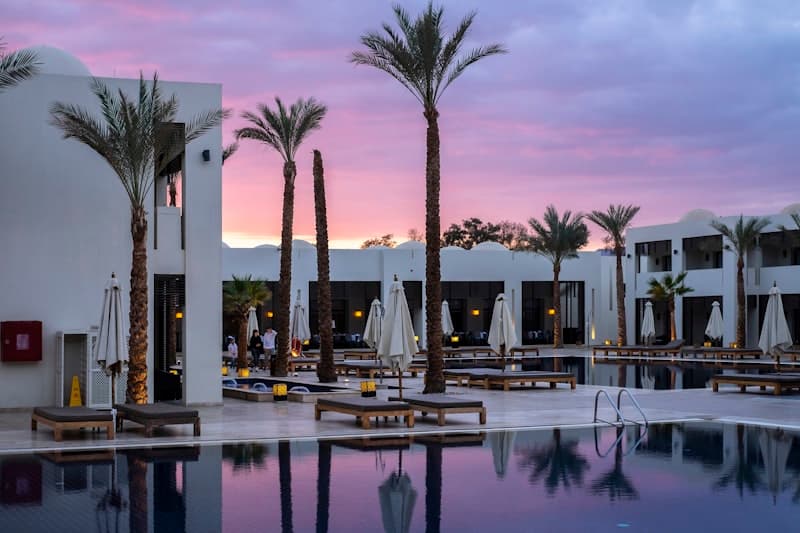
Recover in Bangkok
Sukhumvit or Silom puts you ten minutes from your clinic for the drain-removal visit, the first post-op review, and any lymphatic-drainage sessions. BTS and MRT access, 24-hour pharmacies, and hotel service for the days the compression garment feels most restrictive. Easiest logistics, and usually where our patients spend the first full week.
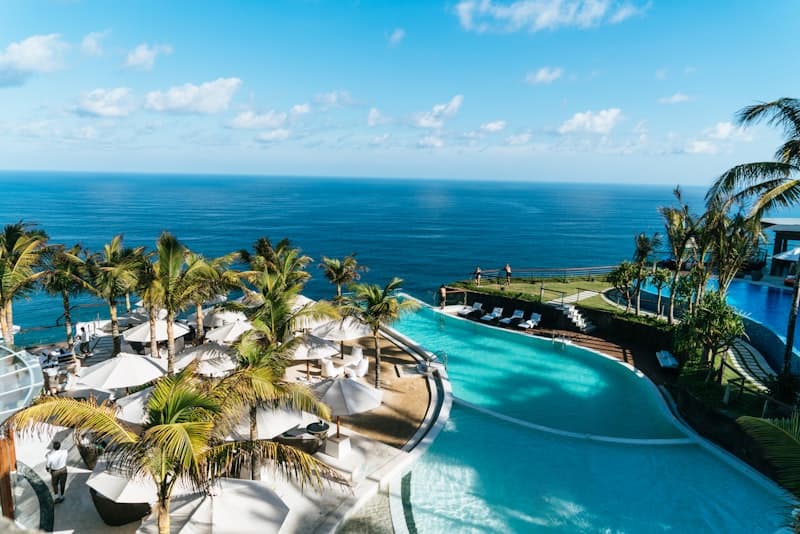
Recover at the Beaches
Phuket, Krabi, or Koh Samui a one-hour flight south once your drains are out and your surgeon clears short-haul domestic travel — typically day 7–10. Warm weather is easier on the compression garment than a cold European flight home. Loose, breathable clothing works over the garment, and the beach walks count as early mobilisation.
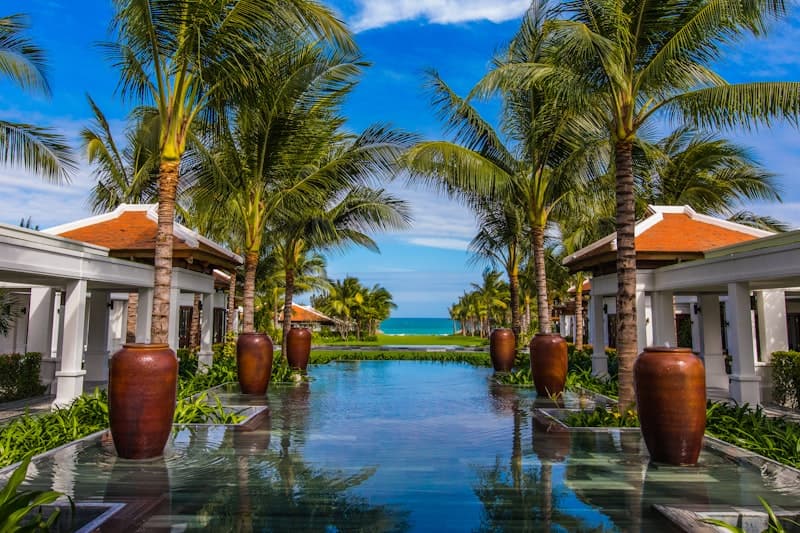
Recover in the Mountains
Chiang Mai in the north is a cooler climate and a slower pace. Calm cafes, good food, and short walks that keep your circulation moving without taxing the recovery. A quieter second half of the trip after the hospital week.
“Most of our tummy-tuck patients build the trip around the recovery, not against it. We book the hotels, the domestic flights, and the lymphatic drainage so you can focus on resting properly — and on the six months of gradual change your final result needs.”
Nat
Co-founder, ClinicPins
Options
Procedure types
Five variants cover almost every international tummy-tuck case. Your surgeon picks between them based on where your skin excess sits, how much rectus-diastasis repair you need, and whether you want combined work at the waist. Staging combined procedures across two visits is usually safer than piling everything into one session.
Mini Abdominoplasty
Lower-abdominal-only procedure. Shorter horizontal incision above the pubic hairline, skin and fat elevated only below the belly button, no umbilical transposition. Muscle repair limited to the lower rectus if needed. Operative time 1.5–2.5 hours under general anaesthesia, typically with a 1-night inpatient stay. Smaller scar and shorter recovery than a full tummy tuck.
Best for
Lower-abdominal skin excess below the belly button.
Upper abdomen
Minimal or no upper-abdominal laxity.
Scar
No umbilical transposition — smaller scar.
Recovery
Shorter recovery: 8–12 days in Bangkok.
$2,500–$4,200 all-in
Save 50–65% vs 🇺🇸“Mini is the right answer for post-C-section lower-pouch patients with minimal upper-abdominal laxity. It's not a 'mini' version of a full tummy tuck — it's a different operation for a different anatomy.”
Nat
Co-founder, ClinicPins
Standard (Full) AbdominoplastyMost common
The default operation. Hip-to-hip incision above the pubic hairline plus a peri-umbilical incision, with skin elevated from pubis to ribcage, full rectus-diastasis repair via plication sutures, and umbilical transposition through a new opening. Operative time 3–4 hours under general anaesthesia. 1–2 night inpatient stay. The right variant for the majority of post-pregnancy cosmetic patients.
Best for
Post-pregnancy rectus diastasis + moderate skin excess.
Muscle repair
Full muscle repair with plication sutures.
Umbilicus
Umbilicus transposed through a new opening.
Recovery
10–14 day Bangkok stay, 4–6 week compression garment.
$3,800–$6,500 all-in
Save 45–60% vs 🇺🇸“The standard full abdominoplasty is the operation post-pregnancy patients usually want. The muscle repair matters as much as the skin excision — it flattens the lower abdomen in a way no amount of core work can.”
Nisha
Co-founder, ClinicPins
Extended Abdominoplasty
Full tummy tuck with the incision extended past the hips onto the flanks, allowing excision of skin excess at the waist. Longer incision, operative time 3.5–4.5 hours, 2-night inpatient stay typical. Often combined with liposuction of the flanks and upper back. Best suited to post-massive-weight-loss patients with significant upper-body laxity.
Best for
Skin excess extending past the hips onto the flanks.
Patient profile
Post-massive-weight-loss patients.
Scar
Longer scar — waist-line trade-off for upper-body laxity.
Recovery
14–21 day Bangkok stay.
$5,500–$9,000 all-in
Save 45–55% vs 🇺🇸“Extended abdominoplasty earns its longer scar. Post-weight-loss patients with flank laxity get a result a standard tummy tuck can't touch — but the trade-off is real and worth talking through honestly before you book.”
Nat
Co-founder, ClinicPins
Fleur-de-Lis Abdominoplasty
Adds a vertical midline incision to the standard horizontal incision, producing an inverted-T scar shape. Allows excision of horizontal skin excess in addition to vertical, narrowing the waist. Operative time 4–5 hours. Almost exclusively indicated for post-bariatric / post-massive-weight-loss patients with circumferential skin excess at the waist — rarely the right answer for cosmetic (non-weight-loss) patients.
Best for
Circumferential skin excess (post-bariatric patients).
Trade-off
Narrower waist, at the cost of a longer vertical scar.
Operative time
4–5 hours, 2–3 night inpatient stay.
Recovery
14–21 day Bangkok stay, extended compression protocol.
$7,500–$12,500 all-in
Save 40–55% vs 🇺🇸“Fleur-de-lis is a durable trade-off. Some patients accept the vertical scar for the waist-narrowing result — others prefer to live with residual laxity. We send unedited 12-month photos of both approaches so you can see exactly what each answer looks like before you choose.”
Nisha
Co-founder, ClinicPins
Lipoabdominoplasty (combined with liposuction)Raises complication risk
A full (or mini, or extended) tummy tuck performed in the same session as liposuction of the flanks, lower back, or other nearby areas. The modern Saldanha-style technique protects the blood vessels that keep the abdominal skin alive during surgery, which has made the combined approach safer than older versions — but it still raises the serious-complication rate from 3.1% to 3.8% compared with a tummy tuck alone, according to the 2015 study of 25,478 patients. For medical tourists, our default is to split lipo and tummy tuck across two trips unless the combined result clearly justifies the higher risk for this particular patient.
Scope
Enhances waist and flank contour alongside abdominoplasty.
Technique
Modern Saldanha technique preserves blood supply.
Risk profile
Raises major complication rate from 3.1% to 3.8%.
Our default
We usually recommend staging across two visits.
$5,500–$9,000 all-in
Save 40–55% vs 🇺🇸“Lipoabdominoplasty is defensible in carefully selected patients with adequate blood supply. For most medical tourists, staging the lipo three to six months after the tummy tuck is the safer answer — and it lets you evaluate the contour change from each surgery before the next.”
Nat
Co-founder, ClinicPins
Partner Hospitals
Clinics for tummy tuck in Bangkok
Three Bangkok clinics across the tier range. Each has a ThPRS-certified lead surgeon, an accredited hospital-grade operating theatre with overnight inpatient beds, and documented protocols for general anaesthesia, Caprini-guided VTE prophylaxis, and post-op drain management. Our team has visited each one.
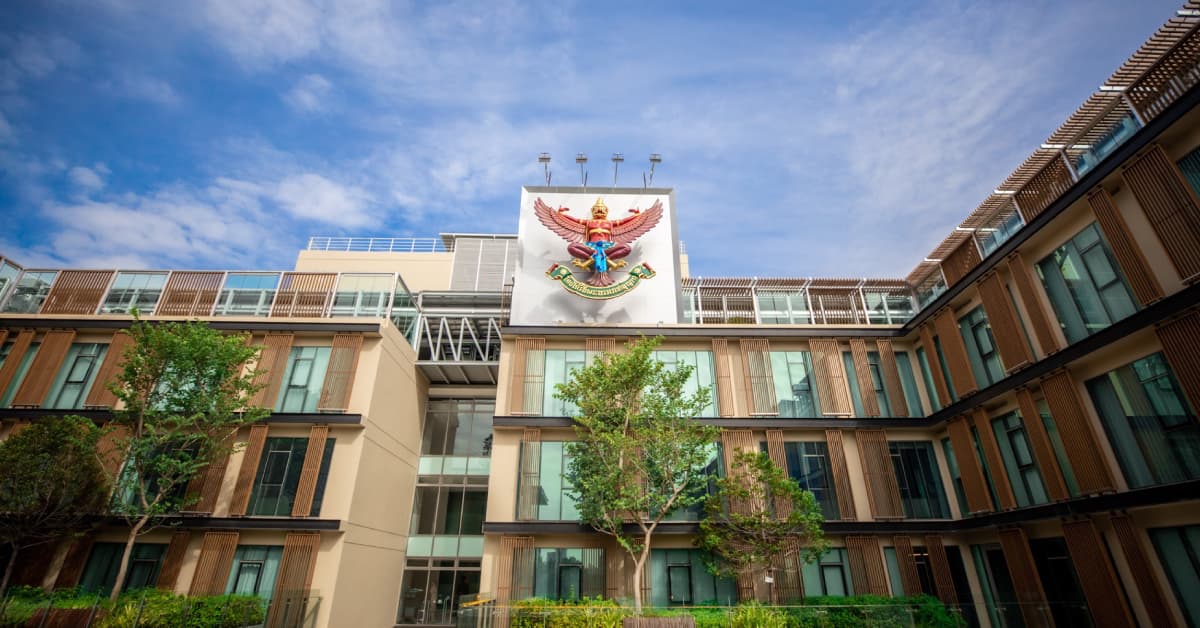
Bangkok International Hospital
JCISoi Soonvijai, Bangkok
JCI-accredited since 2007
Flagship of the Bangkok Hospital Group with multilingual staff and a full surgical program across cosmetic, dental, and general medicine.
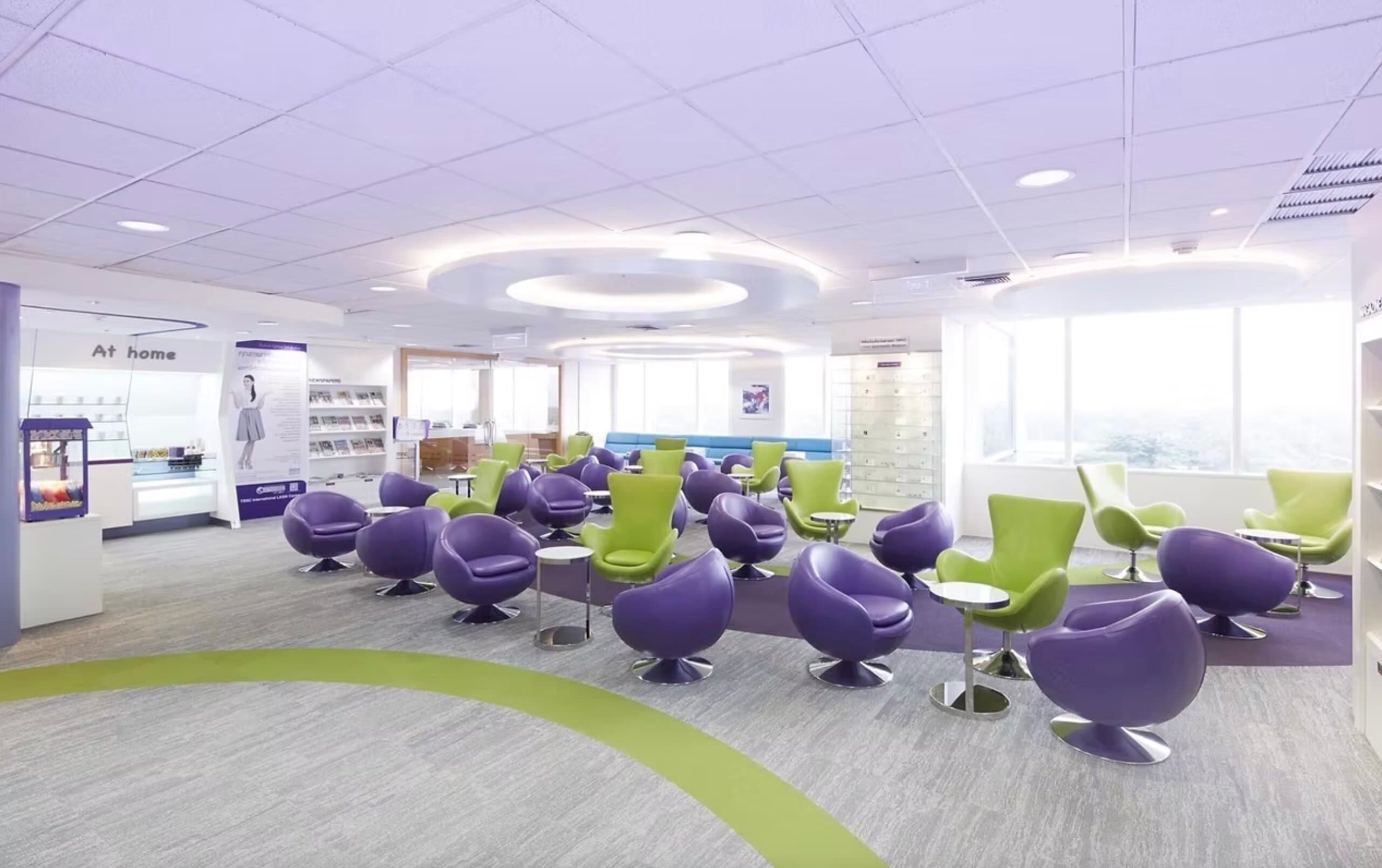
TRSC International LASIK Center
EyeSilom, Bangkok
Dedicated laser vision-correction centre — 102,000+ eyes treated
A standalone eye and vision centre led by medical director Dr. Ekktet Chansue, offering ReLEx SMILE, FemtoLASIK, PRK, and ICL alongside cataract and retinal care.
Not sure which hospital?
Our team can match you with the right hospital based on your goals, body type, and budget.
Talk to UsYour surgeon
How to choose your tummy tuck surgeon
Before committing to any surgeon, ask these questions — most are happy to answer on video before you book:
Every physician practising in Thailand must be MCT-registered. The public licence-verification tool lets you confirm registration by name or licence number. On top of that, ask for ThPRS membership, which signals Royal College of Surgeons of Thailand subspecialty training in plastic surgery — the Thai equivalent of ABPS certification. Abdominoplasty is a plastic-surgery operation, so both matter. Check before the consultation, not after.
Case volume is a proxy for skill in tummy tuck surgery because scar-placement judgment and muscle-repair technique compound over hundreds of cases. Ask for annual volume, the split between mini / standard / extended / fleur-de-lis / lipoabdominoplasty, and how often the surgeon does combined procedures specifically. If you're also considering a breast augmentation in Thailand, ask the staging question directly — combining the two in one session raised the complication rate from 3.1% to 4.3% in the 2015 study of 25,478 patients.
A thoughtful surgeon picks the variant to match your skin distribution and muscle status, not to match their default. Mini suits lower-pouch patients with no upper-abdominal laxity; standard is the post-pregnancy default with rectus-diastasis repair; extended is for post-weight-loss flank laxity; fleur-de-lis is almost exclusively post-bariatric; lipoabdominoplasty is defensible in selected patients but raises complication risk. If the answer is 'standard, always,' ask about your upper abdomen — you may need extended, or you may be fine.
The abdomen at 6 weeks is swollen and bruised and tells you nothing about the result. What you want is the same patient at 3 months and 12 months — scar quality, scar placement, contour, and belly-button appearance. An honest surgeon sends these without hesitation. Pay particular attention to the scar: it is the single most common source of lingering dissatisfaction in the published patient-satisfaction data.
Blood clots in the legs and lungs were the leading cause of tummy tuck deaths historically, and they remain the headline serious risk at 0.35% overall in the 2015 study of 25,478 patients. Modern accredited facilities use a standardised blood-clot risk checklist (Caprini scoring), leg-squeezing compression devices on during surgery, walking within 24 hours, and blood thinners (enoxaparin) for moderate-and-high-risk patients — matching the published body-contouring guidance. A confident surgeon walks you through their version in detail.
Seroma (a fluid pocket under the skin) is the most common complication at 5–8% in modern studies and up to 8.3% in detailed case series. A confident surgeon has a written policy: drain management targets, in-office aspiration protocol, what revision costs if a seroma recurs, and when to refer to interventional radiology. Scar revision is a separate conversation — many surgeons wait until 12 months before revising, to let the scar mature first.
Combining a tummy tuck with other body-contouring procedures in a single session raised the serious-complication rate from 3.1% to 6.8% in the 2015 study of 25,478 patients — more than double. The published safety figures apply to a tummy tuck on its own. For most medical tourists, splitting the tummy tuck from lipo or breast work across two trips a few months apart is the safer answer. A confident surgeon will tell you when combining is reasonable and when staging is better — and will explain why in terms of your specific anatomy, not their scheduling preference.
How we verify
We ask for Medical Council of Thailand registration numbers, ThPRS membership confirmation, the facility's accreditation paperwork, the blood-clot prevention protocol in writing, and recent 3-month and 12-month case photos with scar detail. If a clinic won't provide this before you book, we don't recommend it.
Patient Stories
What patients say
Early patient stories — placeholder cards with written patient consent, until our 2026 tummy-tuck cohort reviews are published.
“Sydney quoted AUD $18,500 and a six-month wait. Bangkok did the case at a ThPRS-certified clinic for AUD $7,900 all-in including the 2-night hospital stay, drains, and garment. Stayed 12 days. Back at desk work the following Monday, 12-month scar sits right at the bikini line where the surgeon marked.”
Rachel M.
Standard abdominoplasty — 2 years post-twins
“Dropped 90 lb over two years. My US plastic surgeon quoted $18,000 for an extended tummy tuck and couldn't schedule me for eight months. Bangkok premium-tier did it for $7,800 all-in, four-week booking window, and the surgeon was more experienced with post-weight-loss patients specifically. Stayed 18 days.”
Michael C.
Extended abdominoplasty — post-weight-loss
“Went in asking for full combined lipo + tummy tuck. The surgeon walked me through the complication numbers honestly — showed me 3.1% for tummy tuck alone versus 3.8% when you add lipo — and we went ahead with careful flank liposuction included because my blood-supply mapping was clear. £4,900 all-in at a JCI hospital. Felt completely informed about the trade-off.”
Emma S.
Lipoabdominoplasty — after detailed risk conversation
“Toronto surgeon wanted to talk me into a full tummy tuck for a small lower pouch. Bangkok surgeon assessed me and said 'mini is the right operation for this anatomy' — CAD $5,200 including hospital and garment. Ten-day trip, scar is hidden below my underwear line, 6-month result is exactly what I wanted.”
Samantha R.
Mini tummy tuck — post-C-section lower pouch
All photos shared with explicit written consent. Results vary by individual.
See more treatmentsResearched & written by
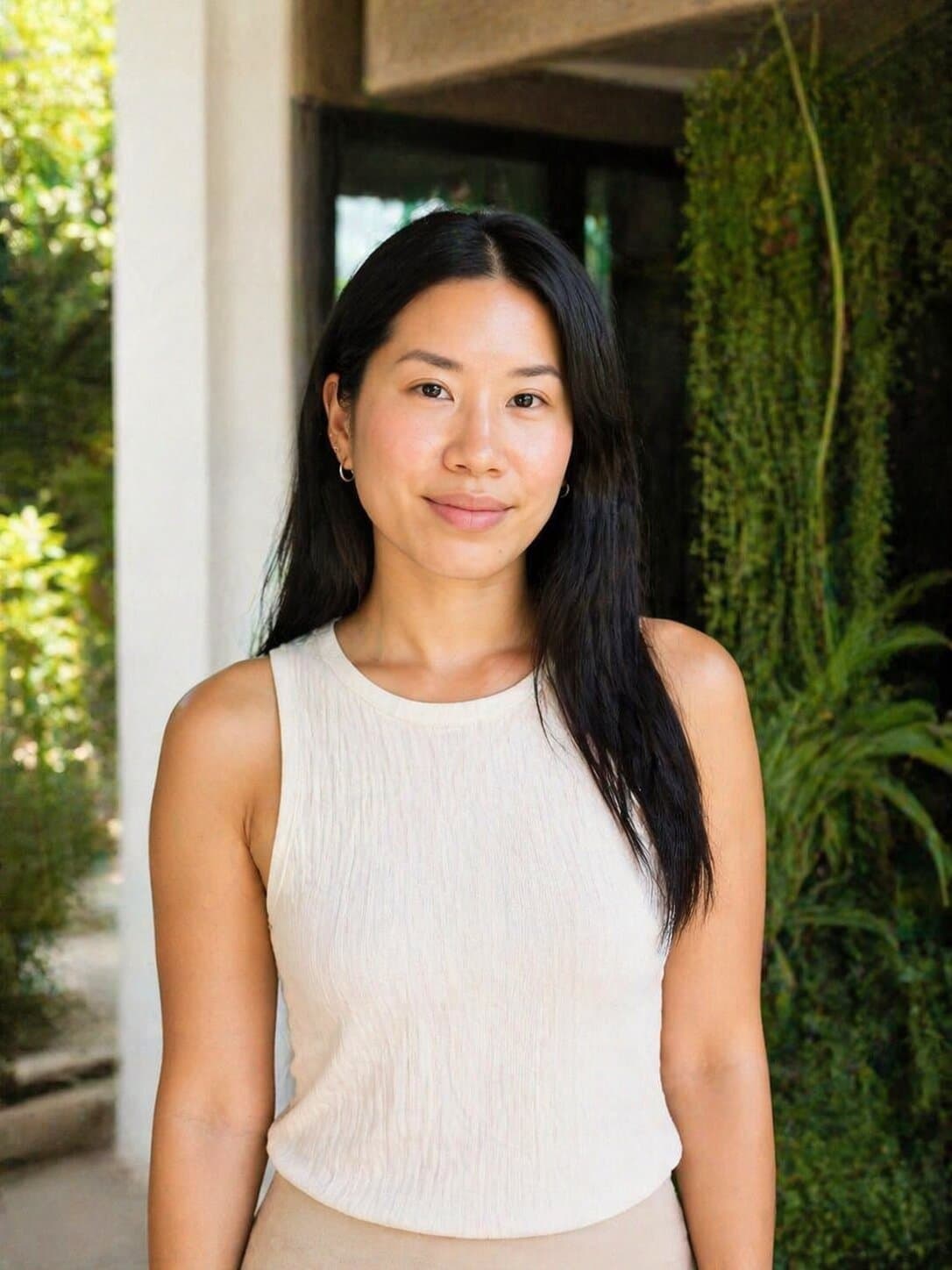
Nat
Co-founder, ClinicPins
Born and raised in Bangkok. Educated in the US. Personally visited every clinic we recommend.
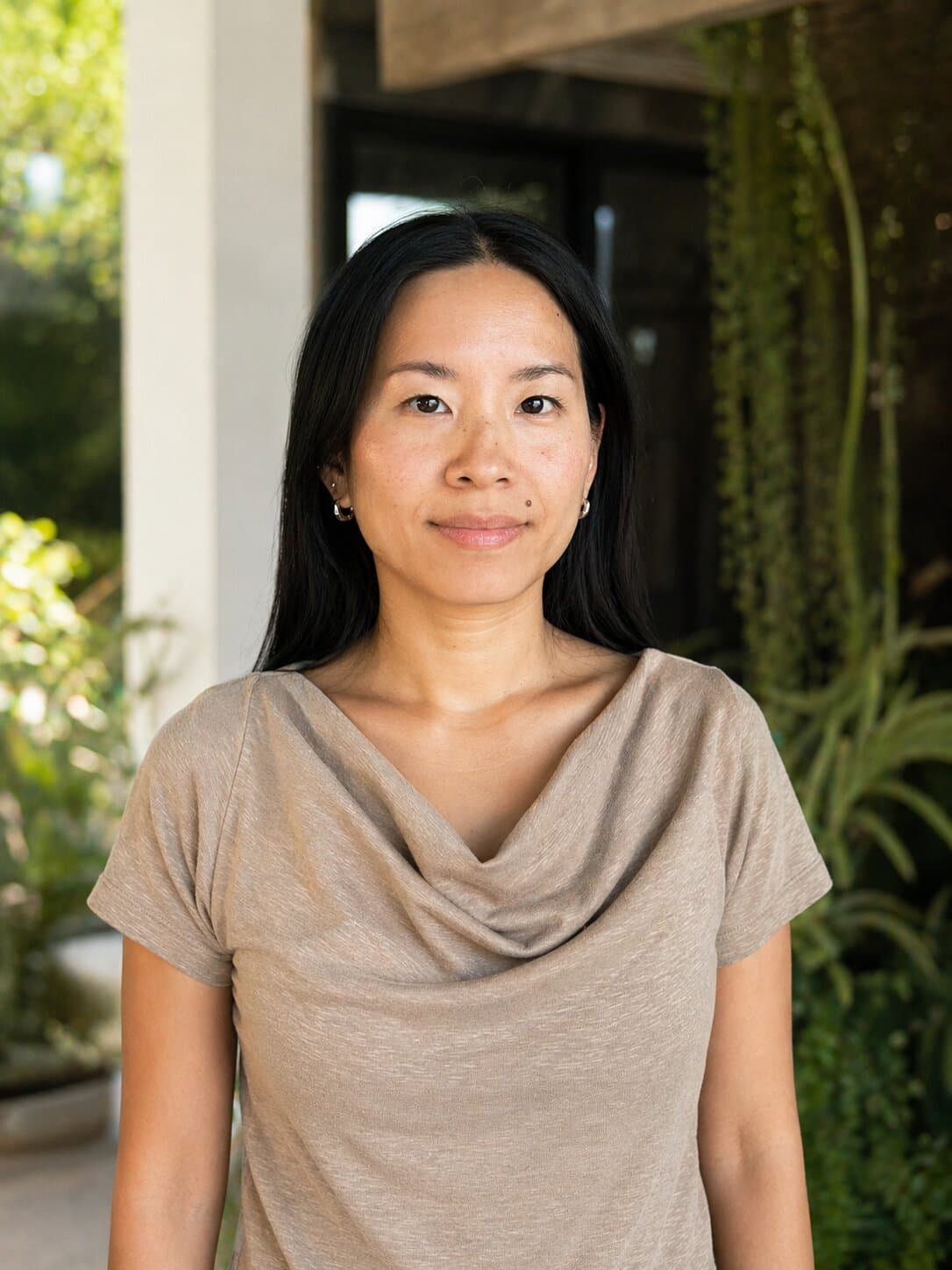
Nisha
Co-founder, ClinicPins
Fluent in Thai and English. Bridges the gap between international patients and Thai clinics.
We are concierge coordinators, not medical professionals. This content is for informational purposes only and does not constitute medical advice — always consult a board-certified surgeon for personalised recommendations. Meet the team
FAQ
Frequently asked questions
Mid-range Bangkok clinics charge $3,800–$6,500 all-in for a full (standard) abdominoplasty at a ThPRS-certified plastic surgeon, including the 1–2 night inpatient stay, general anaesthesia, drains, and the 4–6 week compression garment. Premium-tier JCI-hospital-affiliated clinics reach $6,500–$11,000. Mini tummy tuck sits at $2,500–$4,200; extended at $5,500–$9,000; fleur-de-lis at $7,500–$12,500. Compare to the US all-in range of $8,000–$15,000 reported by ASPS.
Plan 10–14 days in Bangkok for a standard or mini abdominoplasty — covering the 2–5 hour operation, the 1–2 night inpatient stay, drain management, drain removal around day 5–10, and long-haul flight clearance from about day 10. Extended, fleur-de-lis, and lipoabdominoplasty cases typically extend the stay to 14–21 days. Many patients turn the second half of the trip into a proper Thailand holiday once cleared for short-haul domestic flights.
In accredited facilities at board-certified surgeons, yes. A big 2015 study of 25,478 tummy tuck patients found 4% had a serious complication — 3.1% for a tummy tuck on its own and 6.8% when combined with other body-contouring surgery in the same session. The biggest serious risk is blood clots in the legs or lungs at 0.35% overall, kept low with a standardised blood-clot risk checklist, leg-squeezing compression devices in theatre, walking within 24 hours, and blood thinners for moderate-and-high-risk patients — matching the published body-contouring guidance. The Bangkok clinics we recommend match those protocols.
Mini is lower-abdominal-only with no umbilical transposition — for post-C-section lower-pouch patients with minimal upper-abdominal laxity. Standard (full) is the default post-pregnancy operation with full rectus-diastasis repair and umbilical transposition. Extended adds incision length past the hips to excise skin excess onto the flanks — typically post-weight-loss patients. Fleur-de-lis adds a vertical midline incision for circumferential skin excess — almost exclusively post-bariatric patients. A thoughtful surgeon picks the variant to match your anatomy, not their default.
You can, but combining procedures in a single session raises complication risk more than you might expect. In the 2015 study of 25,478 patients, the serious-complication rate rose from 3.1% (tummy tuck alone) to 3.8% (with liposuction), 4.3% (with a breast procedure), and 6.8% (with other body contouring). For medical tourists, splitting the procedures across two Bangkok trips a few months apart is usually safer — and it lets you see the result from each surgery before the next. A tummy tuck combined with liposuction (lipoabdominoplasty) using the modern Saldanha technique is defensible in carefully selected patients.
Serious post-return complications are uncommon — the overall 4% major-complication rate applies mostly in the first two weeks when you're still in Bangkok under direct clinic care. Seromas can present up to 4 weeks out, and scar issues evaluate at 3 and 12 months. We send you home with a written post-op plan your GP or dermatologist can follow, drain-care and scar-care protocols, and a direct WhatsApp line to both us and your Bangkok surgeon. If anything needs escalating — a seroma aspiration, a wound-check, a scar-revision conversation — we coordinate the response, not you.
US, UK, Australian, Canadian, New Zealand, and Singapore passport holders are entitled to 60 days of visa-exempt entry under Thailand's current exemption schedule, per the Thai Ministry of Foreign Affairs. That covers a 10–14 day standard tummy tuck trip or a 14–21 day extended case comfortably, with room to extend if you want to keep recovering in Thailand. We confirm the current rule for your passport in your trip plan.
Still have questions? Talk to our concierge team
Ready to start planning?
Tell us what you're considering — even if you're just exploring. No commitment, no pressure.
ClinicPins receives referral fees from partner hospitals. This does not affect our recommendations or your price. Read our editorial policy.
Related
Related treatments
Liposuction
Often paired with a tummy tuck, though we usually recommend staging the two across separate visits to keep complication risk low.
Learn more
Mommy Makeover
Combined post-pregnancy plan built around a tummy tuck — staged across two or three visits rather than one big operation.
Learn more
Breast Augmentation
Commonly planned alongside a tummy tuck as part of a mommy makeover — we typically stage the two procedures on separate trips.
Learn more